
 E-Paper



Photos: Camel herding in Western Sahara a passion with pedigree
The Western Sahara under Moroccan control hosts some 6,000 herders, 105,000 camels, and 560,000 sheep and goats. In other arid countries, including Saudi Arabia, intensive farming of camels has taken off. But, while Moroccan authorities have undertaken several studies into developing Western Sahara’s camel industry, these have not so far been acted upon.
Updated on: Nov 23, 2019 5:10 PM IST


Share via


Copy link

1/7
 View Photos in a new improved layout
Updated on Nov 23, 2019 5:10 PM
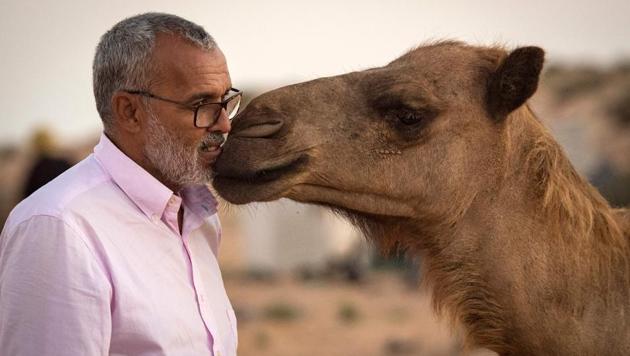
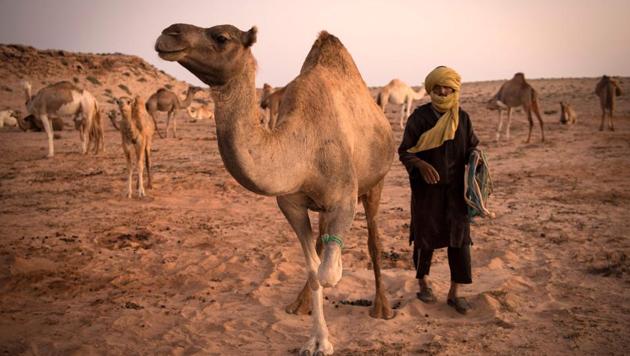
Saharawi camel owner Habiboullah Dlimi poses with one of his animals in the desert near Dakhla in Morocco-administered Western Sahara. His animals roam free in the desert and are milked as camels always have been, by hand, at dawn and dusk. When camels “feed on wild plants and walk all day, the milk is much better,” said the 59-year-old herder, rhapsodising about the benefits of the nutrient-rich drink, known as the “source of life” for nomads. But Dlimi no longer lives with his flock. (FADEL SENNA / AFP)
2/7
 View Photos in a new improved layout
Updated on Nov 23, 2019 5:10 PM
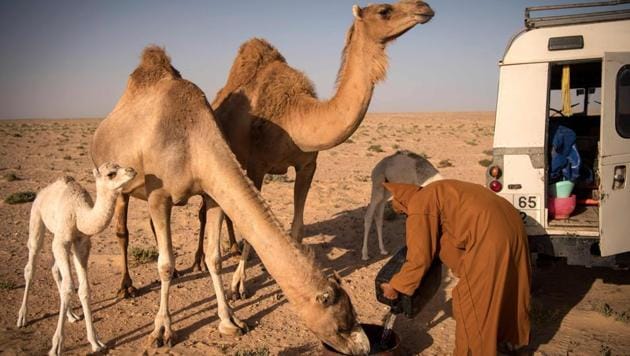
A camel herder provides his animals with water, in the desert near Dakhla. Dlimi comes from a long line of desert dwellers from the Ouled Dlimi tribe. As tradition dictates, he lists his ancestors going back five generations when introducing himself. “I know the desert and the desert knows me,” he said. Like elsewhere, the nomads of Western Sahara are settling, following a shift from rural to urban living. “Young people prefer to stay in town,” Dlimi said. (FADEL SENNA / AFP)
3/7
 View Photos in a new improved layout
Updated on Nov 23, 2019 5:10 PM
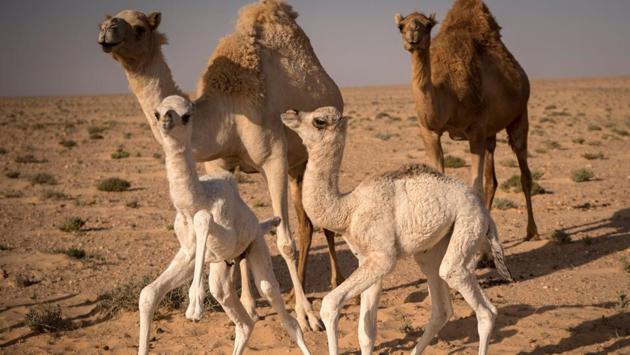
The population of the nearby town of Dakhla has tripled to 100,000 in 20 years, with growth driven by fishing, tourism and greenhouse farming encouraged by Morocco. In this part of Western Sahara, development projects depend entirely on Rabat. Morocco has controlled 80 percent of the former Spanish colony since the 1970s and wants to maintain it as an autonomous territory under its sovereignty. (FADEL SENNA / AFP)
4/7
 View Photos in a new improved layout
Updated on Nov 23, 2019 5:10 PM
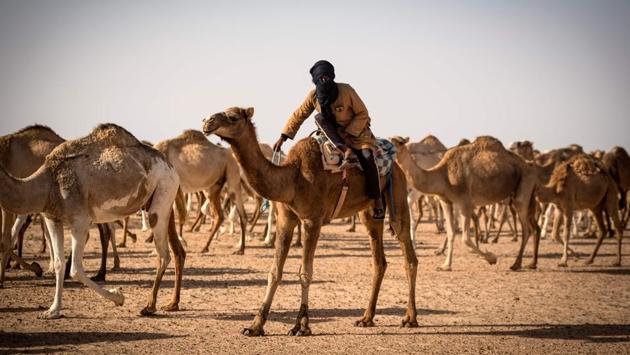
The Polisario Front movement fought a war for independence from 1975 to 1991 and wanted a referendum in which the people of Western Sahara choose between independence and integration with Morocco. The United Nations has been trying to negotiate a political compromise for decades. Like many in his tribe, Dlimi has family members on the other side of the Western Sahara Wall separating the Moroccan controlled areas from the Polisario controlled areas. (FADEL SENNA / AFP)
5/7
 View Photos in a new improved layout
Updated on Nov 23, 2019 5:10 PM
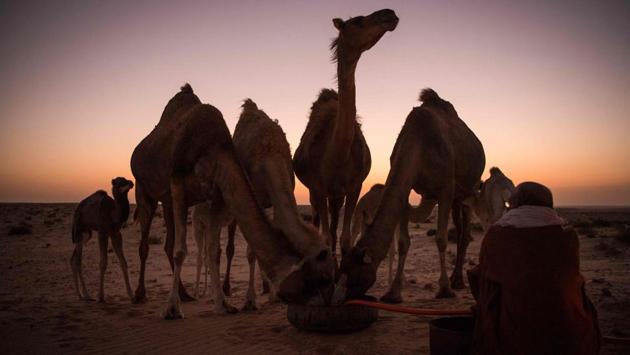
Dlimi favours loyalty to Morocco while others back independence, he said. Tribal affiliation trumps politics, though. “Tribes are tribes, it’s a social organisation,” he said. “There are very strong links between us.” To “preserve the past for the future,” Dlimi started a cultural association to conserve traditions from a time when there were no borders and “families followed the herds and the clouds”. (FADEL SENNA / AFP)
6/7
 View Photos in a new improved layout
Updated on Nov 23, 2019 5:10 PM
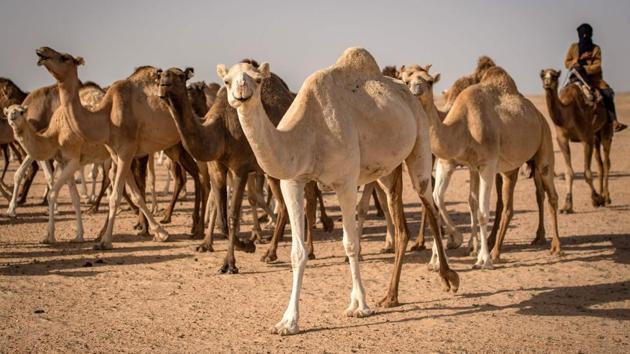
The 266,000 square kilometres (106,400 square miles) of Western Sahara under Moroccan control hosts some 6,000 herders, 105,000 camels, and 560,000 sheep and goats, according to figures from Rabat. In other arid countries, including Saudi Arabia, intensive farming of camels has taken off. But, while Moroccan authorities have undertaken several studies into developing Western Sahara’s camel industry, these have not so far been acted upon. (FADEL SENNA / AFP)
7/7
 View Photos in a new improved layout
Updated on Nov 23, 2019 5:10 PM


