
 E-Paper



Photos: Climate change presses the world’s winemakers into action
From South Africa's drought-stricken vineyards, to France’s noble chateaus, to sunny vineyards in Australia and California, growers and winemakers say they are seeing the effects of climate change as temperatures rise, with swings in weather patterns becoming more severe. So they are moving to cooler zones, planting varieties that do better in the heat, and shading grapes with more leaf canopy. As areas once ideal for certain grapes become less viable, causing earlier harvests and diminished wine, once-iffy sites are coming into their own.
Updated on: Jun 30, 2018 12:13 PM IST

Share via


Copy link

1/10
 View Photos in a new improved layout
Updated on Jun 30, 2018 12:13 PM
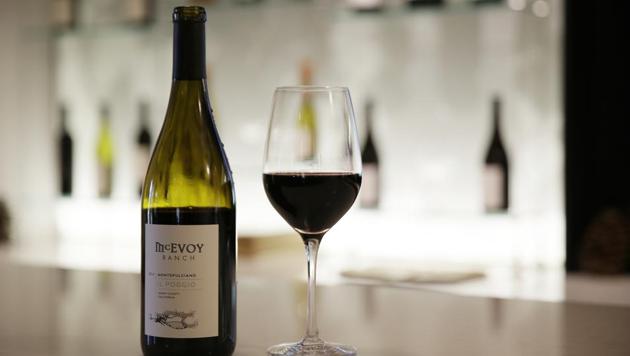
A glass and bottle of McEvoy Ranch Il Poggio Montepulciano wine stand on a tasting room counter at the winery in Petaluma, California. The ranch is located in Northern California’s Petaluma Gap which is one of America’s newest viticultural areas and among the go-to places for wineries and vineyards hedging their bets against climate change. The area’s slogan: “From wind to wine.” (Eric Risberg / AP)
2/10
 View Photos in a new improved layout
Updated on Jun 30, 2018 12:13 PM
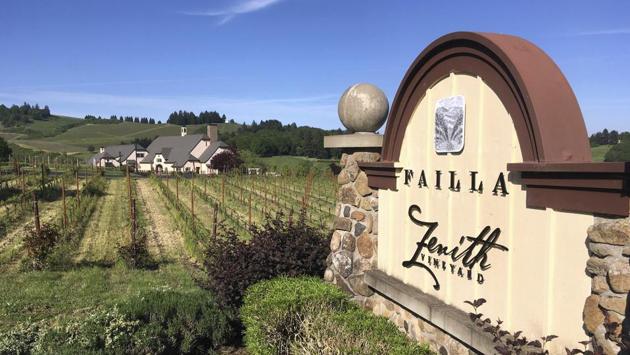
The Failla Oregon winery is seen near Salem, Oregon. Based in California’s Napa Valley, Failla recently bought 80 acres in the Van Duzer Corridor nearby. Winemakers and vineyard owners in a 246-square-kilometer section of the corridor have applied to become the newest American Viticultural Area, with the ocean wind its predominant feature. (Andrew Selsky / AP)
3/10
 View Photos in a new improved layout
Updated on Jun 30, 2018 12:13 PM
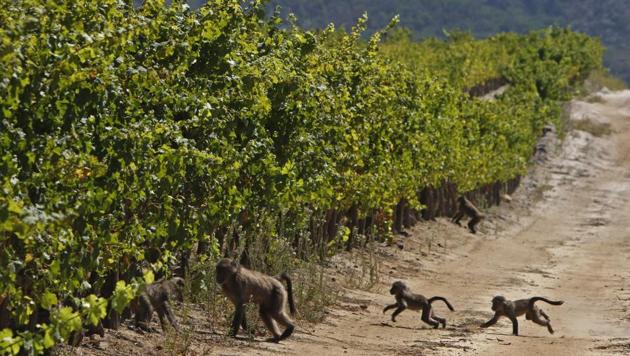
Baboons run past a vineyard on the Constantia Uitsig wine estate in Cape Town, South Africa. Across the world’s wine producing regions, growers and winemakers say they are seeing the effects of climate change as temperatures rise, with swings in weather patterns becoming more severe. (Schalk van Zuydam / AP)
4/10
 View Photos in a new improved layout
Updated on Jun 30, 2018 12:13 PM
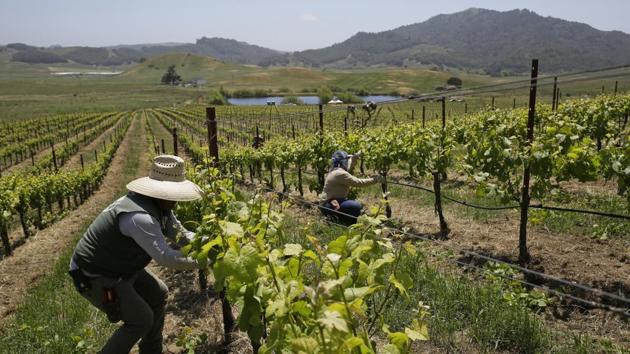
Workers trim leaves on Pinot Noir vines in the Azaya vineyard of the McEvoy Ranch in Petaluma. Winemakers are shifting to cooler zones like Petaluma or the Van Doozer Corridor, planting varieties that do better in the heat, and shading their grapes with more leaf canopy. And American Viticulture Area designations allow them to emphasize the unique characteristics of their wine, determined by climate, geography, soil and other factors. (Eric Risberg / AP)
5/10
 View Photos in a new improved layout
Updated on Jun 30, 2018 12:13 PM
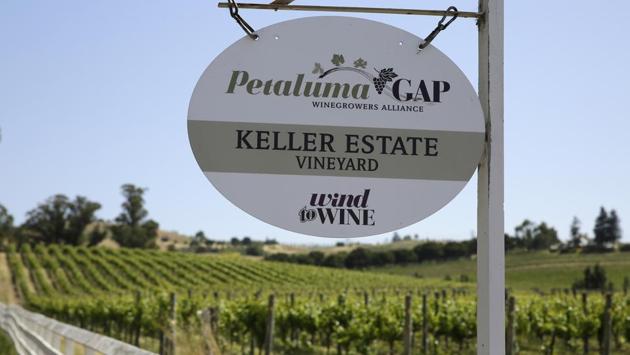
A sign reads from wind to wine at the Keller Estate winery in Petaluma. As areas once ideal for certain grapes become less viable, causing earlier harvests and diminished wine quality as grapes ripen faster, once-iffy sites like the Van Duzer Corridor and Petaluma, both of which suck in ocean breezes, are coming into their own. (Eric Risberg / AP)
6/10
 View Photos in a new improved layout
Updated on Jun 30, 2018 12:13 PM
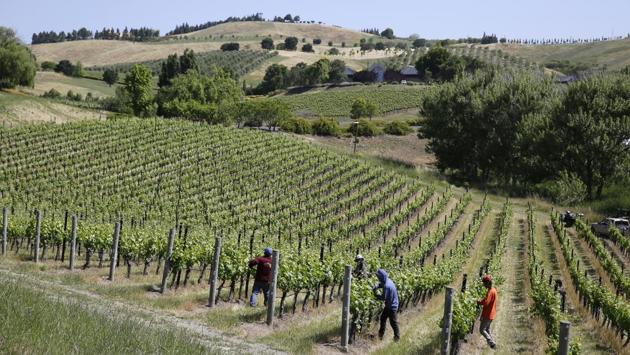
Grapevines can tolerate heat and drought, and dry farming is traditionally practiced in parts of Europe. But the past four years have been the planet’s hottest on record, and more warming is expected. Even minor weather variations that occur vintage to vintage can change the grapes’ sugar, acid and tannin content, affecting the wine. (Eric Risberg / AP)
7/10
 View Photos in a new improved layout
Updated on Jun 30, 2018 12:13 PM
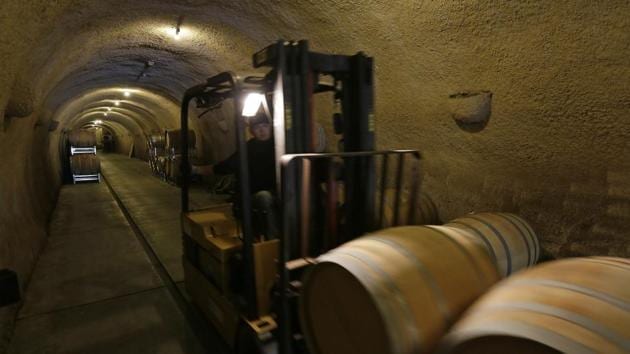
A cellar worker takes barrels into a cave at the Keller Estate winery. Familia Torres president Miguel A. Torres said that winemakers should also try to reduce their greenhouse gas emissions. Wineries are now starting to set up in Brittany, which previously was undesirable because of Atlantic wind, rain and lack of sunshine. These days, vineyards are even planted as far north as Sweden. (Eric Risberg / AP)
8/10
 View Photos in a new improved layout
Updated on Jun 30, 2018 12:13 PM
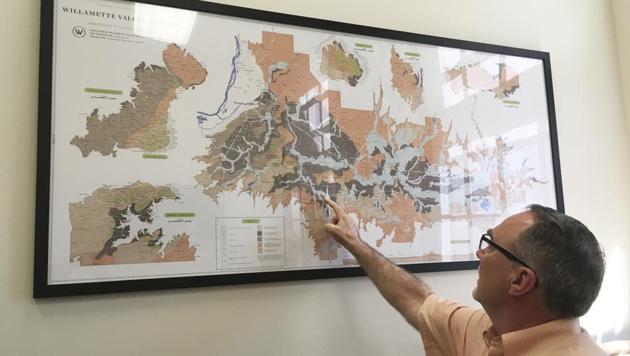
Greg Jones, an authority on climate change and wines, looks over a map of the Willamette Valley viticultural area, the venue for the VitiNord wine conference, which will examine cooler-climate wine production. “If you’re growing grapes in a given environment today with what we have going on out there, you should be trying other varieties in small numbers to see how they perform,” Jones said. (Andrew Selsky / AP)
9/10
 View Photos in a new improved layout
Updated on Jun 30, 2018 12:13 PM
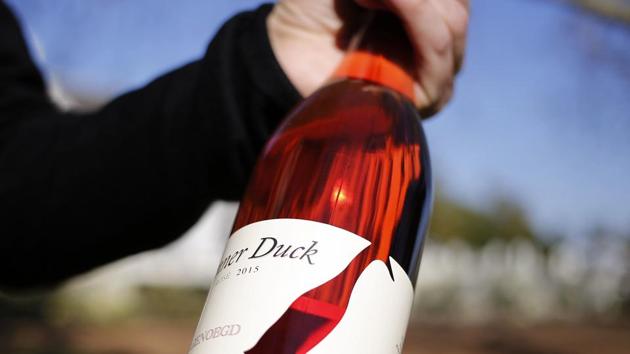
A bottle of Runner Duck wine, produced on the Vergenoegd wine estate. When Pinot Noir pioneers arrived in Oregon from California in the 1960s, they had to contend with shorter growing seasons, more frost, winter freezes and more rain during harvest time, Jones said. They adjusted farming techniques, and the climate became milder. Now, “we’re in the sweet spot,” he said. But this won’t be for long if weather trends continue. (Schalk van Zuydam / AP File)
10/10
 View Photos in a new improved layout
Updated on Jun 30, 2018 12:13 PM


