
 E-Paper



Photos: Forced hospital detainment scars new Roma mothers in Slovakia
An investigation by The Associated Press has found that women and their newborns in Slovakia are routinely, unjustifiably and illegally detained in hospitals across the European Union country. Women from the country's Roma minority, vulnerable to racist abuse and physical violence, suffer particularly. They're also often poor, and mothers who leave hospitals before doctors grant permission forfeit their right to a significant government childbirth allowance of several hundred euros.
Updated on: Dec 13, 2018 11:56 AM IST

Share via


Copy link

1/12

 View Photos in a new improved layout
Updated on Dec 13, 2018 11:56 AM
A nurse dresses a baby at the Kezmarok hospital in Kezmarok, Slovakia. Monika Krcova did not want to follow the official guidelines and remain in the hospital for four days after her third baby’s birth. And so she escaped. Slovakia’s Ministry of Health strongly recommends four-day stays for mothers and babies, regardless of health. But many hospitals — seeking insurance reimbursements — have turned guidance into mandate. (Felipe Dana / AP)
2/12
 View Photos in a new improved layout
Updated on Dec 13, 2018 11:56 AM
Monika Krcova, (C, left) with her daughter Ivana and her grandchildren. Like many other Roma, she has horror stories about giving birth in the hospital: How doctors slapped her face and legs repeatedly during the delivery of her first two children, screaming that she didn’t know how to push properly. How in the following days, she was subjected to racist taunts, her postpartum pain left untreated. (Felipe Dana / AP)
3/12
 View Photos in a new improved layout
Updated on Dec 13, 2018 11:56 AM
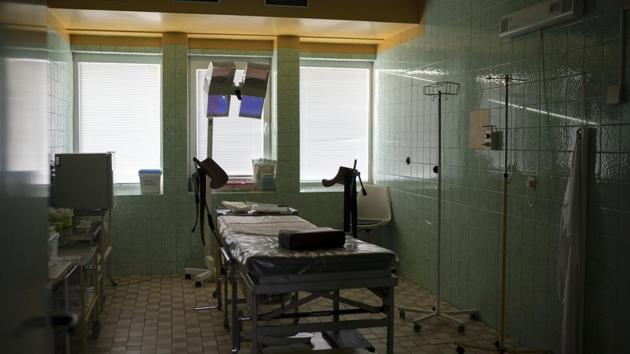
Krcova knew that hospital staffers would stop her if she tried to leave early. She waited until visiting hours, and slipped out of the maternity ward, alone. When she returned to pick up her infant a couple of days later, the hospital charged her 20 euros — an illegal fine. “It felt like punishment,” she said. “If you and your baby are healthy and you have to stay there, it’s like prison.” (Felipe Dana / AP)
4/12
 View Photos in a new improved layout
Updated on Dec 13, 2018 11:56 AM
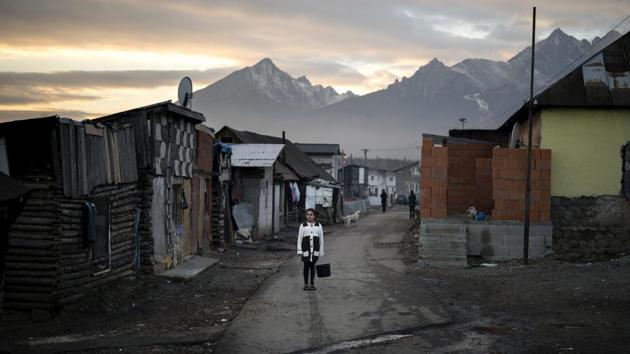
In October, the AP reported that hospitals in more than 30 countries illegally hold patients when they cannot pay bills. While there are differences, some experts say the situation in Slovakia amounts to imprisonment. “Women are having their fundamental human rights violated when they have no freedom of movement and cannot decide how their child is to be treated,” said Zuzana Kriskova, a maternal rights activist. (Felipe Dana / AP)
5/12
 View Photos in a new improved layout
Updated on Dec 13, 2018 11:56 AM
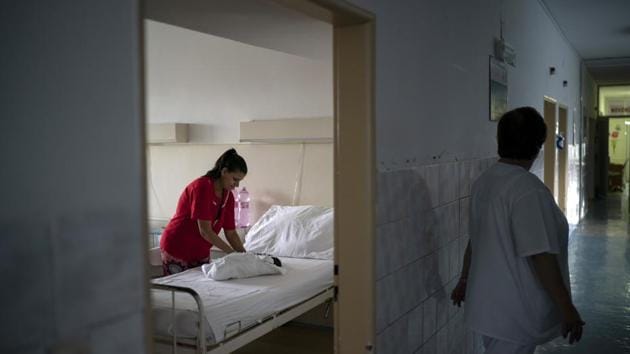
Britain recommends women and their infants stay at least six hours after an uncomplicated birth, but are free to leave at any time. That period is 1-2 days in the US. International human rights law prohibits forced detention of a woman or her baby as long as there is no imminent danger. Slovak doctors, however, say babies must be kept in the hospital because numerous screening tests are needed. (Felipe Dana / AP)
6/12
 View Photos in a new improved layout
Updated on Dec 13, 2018 11:56 AM
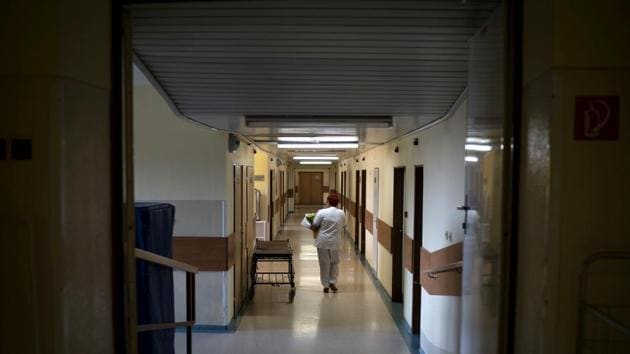
Slovakia’s biggest private health insurance provider reimburses hospitals separately for mothers and newborns and its minimum length of stay after childbirth for both is four days. The situation weighs most heavily on the Roma. Having suffered from discrimination across Europe for generations, they say they are treated abysmally even by hospitals. (Felipe Dana / AP)
7/12
 View Photos in a new improved layout
Updated on Dec 13, 2018 11:56 AM
One Roma woman tearfully told the AP that when she escaped from Kezmarok hospital after giving birth to twins four years ago, she got sick and couldn’t retrieve them for 10 days. By that time, the institution had given them away to an orphanage. She hasn’t seen them since. Maria Lumkova, a Roma health assistant, said there are usually about three such cases every year in the village where she works. (Felipe Dana / AP)
8/12
 View Photos in a new improved layout
Updated on Dec 13, 2018 11:56 AM
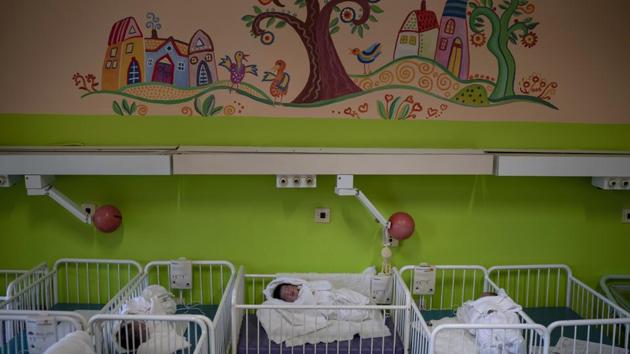
At the Kezmarok hospital in mid-November, four out of 17 newborns were still being detained after their mothers absconded. Alzbeta Siva, a spokeswoman for Kezmarok hospital, also known as the Dr. Vojtecha Alexandra Hospital said Roma mothers fleeing was “an everyday occurrence” and those mothers were charged 4 euros every day their baby was held in absence. (Felipe Dana / AP)
9/12
 View Photos in a new improved layout
Updated on Dec 13, 2018 11:56 AM
People run during a dog fight in a village near Kezmarok. Officials at several other hospitals in the region estimated that about 10-25% of Roma women slip out within two days of giving birth. In 2014, the government passed a law penalizing women who abscond, by withholding social benefits of up to 800 euros. Critics say the law unfairly targets Roma women, they typically have few resources. (Felipe Dana / AP)
10/12
 View Photos in a new improved layout
Updated on Dec 13, 2018 11:56 AM
Even white, privileged Slovak women are impacted. Renata Kupcova Kazimirova (C) had her daughter in early November, and was told they were both healthy. But when she informed the head of obstetrics that she wanted to leave the next day, a struggle ensued. “They told me that a woman after birth does not have the capacity to make this decision,” Kazimirova said. (Felipe Dana / AP)
11/12
 View Photos in a new improved layout
Updated on Dec 13, 2018 11:56 AM
A Roma woman walks to a village near Kezmarok. Theoretically, women who want to leave without approval are to be given a legal form to sign, acknowledging they’re leaving against medical advice. “If a woman keeps insisting that she wants to leave, that’s when the psychological terror starts,” said Zuzana Kostkova, a midwife. To avoid obligatory detention, Kostkova simply had her baby across the border in Austria. (Felipe Dana / AP)
12/12
 View Photos in a new improved layout
Updated on Dec 13, 2018 11:56 AM


