
 E-Paper



Photos: Free bus rides drive safer births for Nepalese women
Nepal reduced maternal mortality by 71% between 1990 and 2015. But the UN Population Fund says giving birth remains a leading killer of women of reproductive age in the country, where the risk of dying in childbirth is higher than anywhere else in South Asia except Afghanistan. The Aama Surakshya, or "protection for mothers", programme started in 2005, has helped more than two million Nepali women access medical services in the impoverished country where the Himalayan terrain, a lack of medical facilities nearby or means to reach them remain real concerns.
Updated on: Jul 18, 2018 9:28 AM IST

Share via


Copy link

1/9
 View Photos in a new improved layout
Updated on Jul 18, 2018 9:28 AM
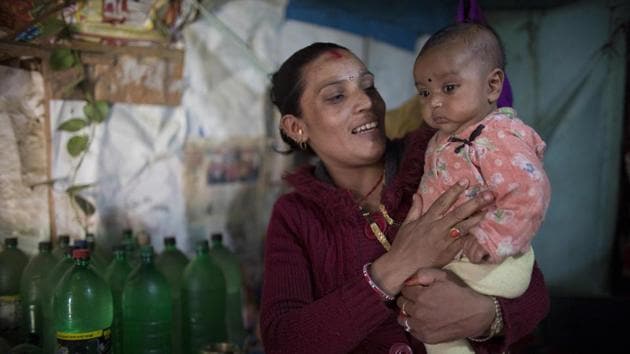
Meera Nepali plays with her son at her home in the Ramechhap district, Nepal. As a teenager Nepali was terrified as she went into labour with her first child at home in a remote village, miles from a hospital with nobody but her mother-in-law to help. “I was a scared, but that was the norm. We didn’t have doctors close by,” Nepali said of her three-day labour. (Bikram Rai / AFP)
2/9
 View Photos in a new improved layout
Updated on Jul 18, 2018 9:28 AM
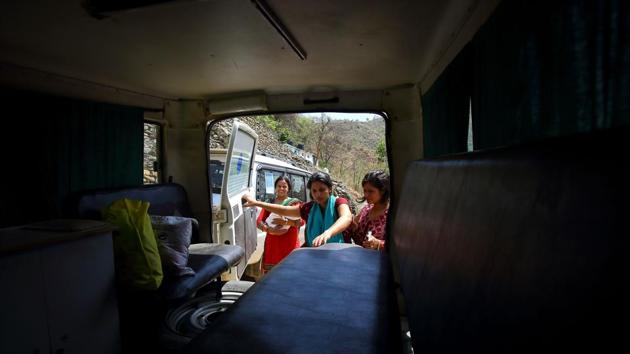
This year however, she delivered her second child in a rural health centre thanks to a small cash incentive that is getting pregnant women to hospital by paying their bus fares. The Aama Surakshya, or “protection for mothers”, programme has helped more than two million Nepali women access medical services in the impoverished country where dying in childbirth remains a very real risk. (Bikram Rai / AFP)
3/9
 View Photos in a new improved layout
Updated on Jul 18, 2018 9:28 AM
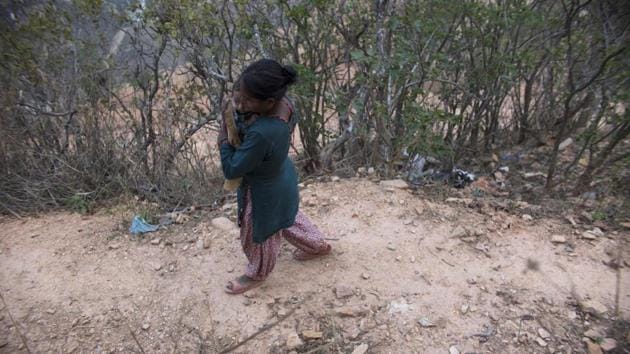
The UN Population Fund says giving birth remains a leading killer of women of reproductive age in Nepal, where the risk of dying in childbirth is higher than anywhere else in South Asia except Afghanistan. A huge obstacle to safe deliveries is the Himalayan nation’s tough terrain, which often makes getting to a health facility a long and expensive journey. (Bikram Rai / AFP)
4/9
 View Photos in a new improved layout
Updated on Jul 18, 2018 9:28 AM
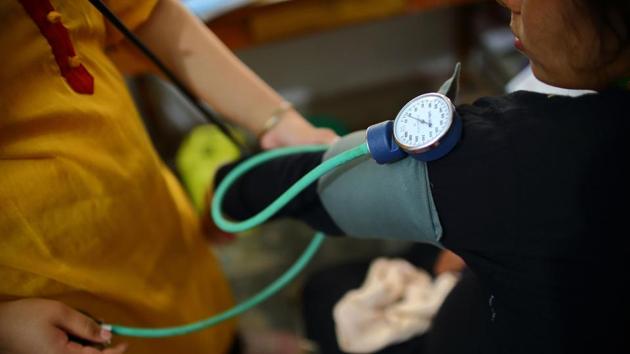
A health worker checks the blood pressure of a pregnant woman at a health centre. Suresh Tiwari, one of the original architects of the scheme said that one of the main reasons rural women did not go to a hospital during childbirth was because they lacked cash to pay for transportation. The programme started in 2005 with British aid money, but has since been taken over by the Nepal government. (Bikram Rai / AFP)
5/9
 View Photos in a new improved layout
Updated on Jul 18, 2018 9:28 AM
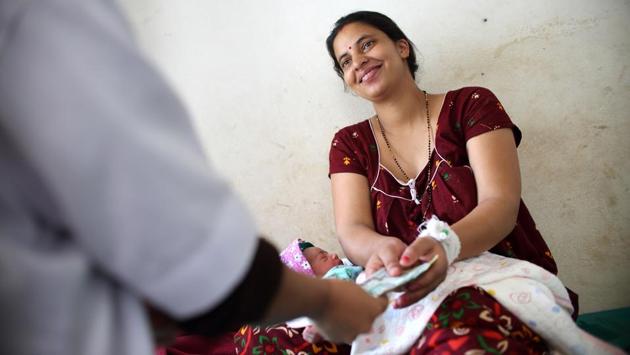
Nepali mother Pabitra Dhungel receiving cash for transportation at a health centre. Today, the programme covers not just transport but medical costs for mothers and babies and includes a cash bonus for attending antenatal check-ups. 2017 marked a milestone: more Nepalese women opted for hospital births over home deliveries for the first time on record, official figures show. (Bikram Rai / AFP)
6/9
 View Photos in a new improved layout
Updated on Jul 18, 2018 9:28 AM
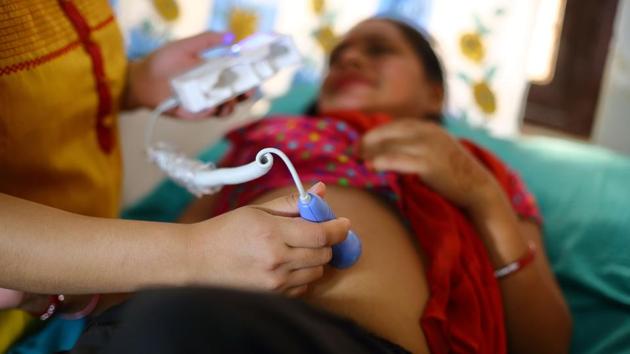
A Nepali health worker checking on a pregnant woman at a health centre in the Ramechhap district, some 100 kms east of Kathmandu. The Aama Surakshya, or "protection for mothers", programme has helped more than two million Nepali women access medical services in the impoverished country where dying in childbirth remains a very real risk. (Bikram Rai / AFP)
7/9
 View Photos in a new improved layout
Updated on Jul 18, 2018 9:28 AM
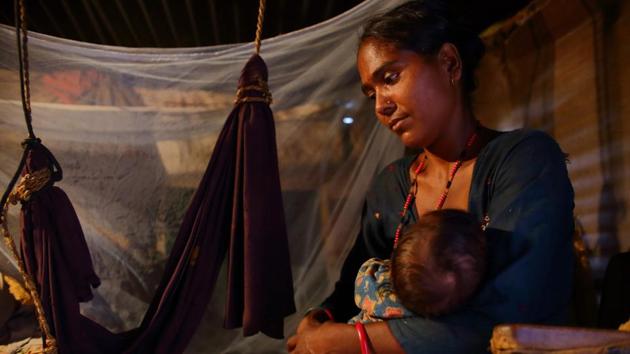
Patriarchal attitudes and traditional preferences for home births see hospitals dismissed as an unnecessary expense. Sita Khatri, 27, went into labour weeks before her due date. Unable to walk the three hours to the nearest health centre, she gave birth at home but suffered a retained placenta. After pleading with her husband to take her to hospital, she was treated for free at a clinic. The couple were also given money to pay for transport. (Bikram Rai / AFP)
8/9
 View Photos in a new improved layout
Updated on Jul 18, 2018 9:28 AM
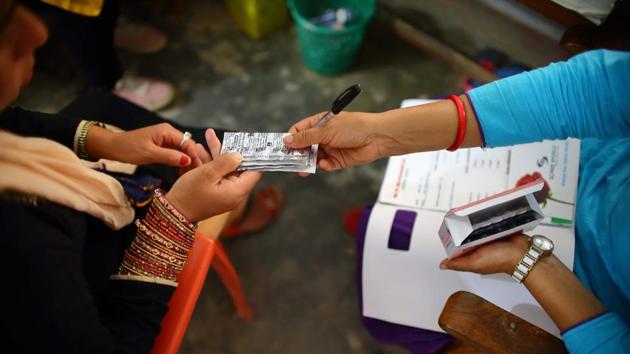
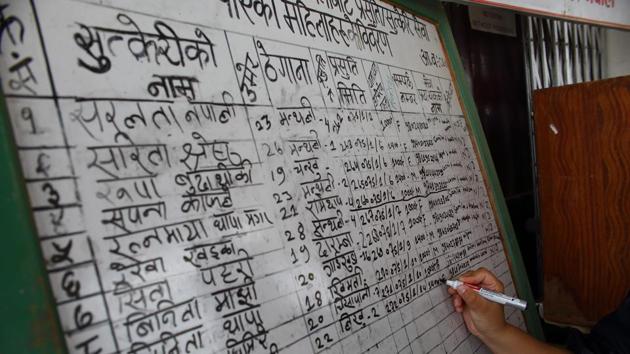
Still, some women cannot be reached by road and must be carried, while others encounter poorly equipped facilities once they arrive, said Niliza Shakya, a doctor at a health centre in Ramechhap. “Some women still don’t have the decision-making power to say they want to go to a hospital, and health posts like ours are not equipped enough,” said Shakya. (Bikram Rai / AFP)
9/9
 View Photos in a new improved layout
Updated on Jul 18, 2018 9:28 AM


