
 E-Paper



Photos: Global tequila boom rooted in traditional farming in Mexico
Rising global demand for tequila has turned the trade of the drink into a multibillion-dollar industry, but its production from the blue agave plant in its eponymous Mexican region remains rooted in centuries-old methods of farming using hand tools and packs of mules. And while rising demand internationally means more agave plantations, the at times decade long maturing period before harvest and distillation for the agave means that production will at least in the near future still fall short of global demand.
Updated on: May 04, 2018 11:24 AM IST

Share via


Copy link

1/11
 View Photos in a new improved layout
Updated on May 04, 2018 11:24 AM
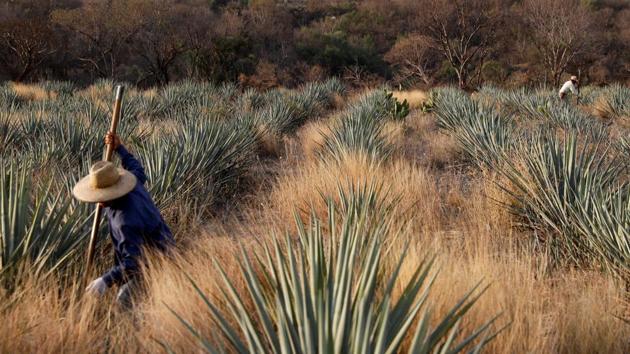
A farmer clears the area surrounding blue agave before it is harvested in Tepatitlan, Jalisco, Mexico. A growing thirst for tequila from New York to Tokyo has made the sale of the drink into a multibillion-dollar industry, but its production remains rooted in centuries-old methods of farming using hand tools and packs of mules. (Carlos Jasso / REUTERS)
2/11
 View Photos in a new improved layout
Updated on May 04, 2018 11:24 AM
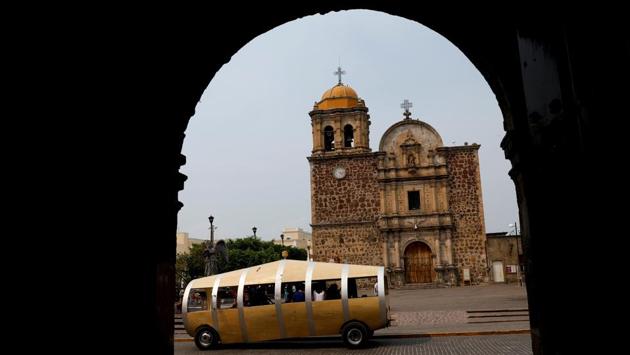
A tourist car in the shape of a tequila barrel is seen on a street in Tequila, Jalisco. The western state of Jalisco in Mexico is the heartland of the tequila industry, where ‘jimadores,’ the farmers of the agave cactus from which the spirit is distilled, have worked the fields for generations. (Carlos Jasso / REUTERS)
3/11
 View Photos in a new improved layout
Updated on May 04, 2018 11:24 AM
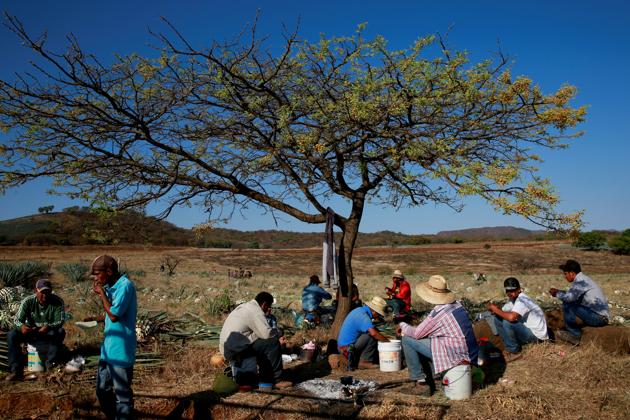
Jimadores eat their lunch under a tree during a blue agave harvest on a plantation in Tequila. These men are the first link in the chain of the tequila industry. Without them there is no tequila. But the popularity of tequila has driven a worsening shortage of the agave, while some of the younger generation shun what was once a highly respected job. (REUTERS)
4/11
 View Photos in a new improved layout
Updated on May 04, 2018 11:24 AM
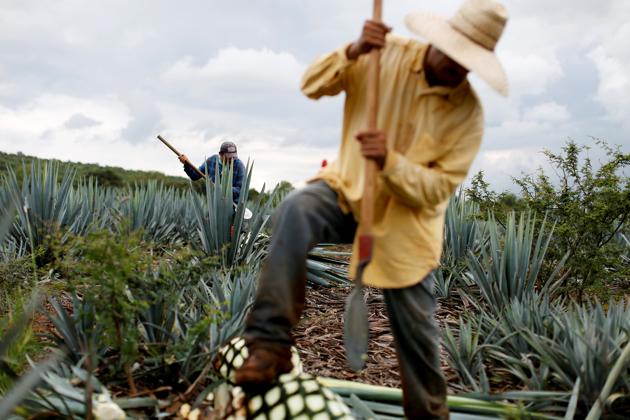
The jimadores use a tool called a coa to cut the spiky leaves off the plant, leaving a heart that looks like a giant pineapple. “In the old days to be a jimador was a respected job, now you are a simple worker,” said Mario Perez, a farmer. “But it is a work of great tradition.” (REUTERS)
5/11
 View Photos in a new improved layout
Updated on May 04, 2018 11:24 AM
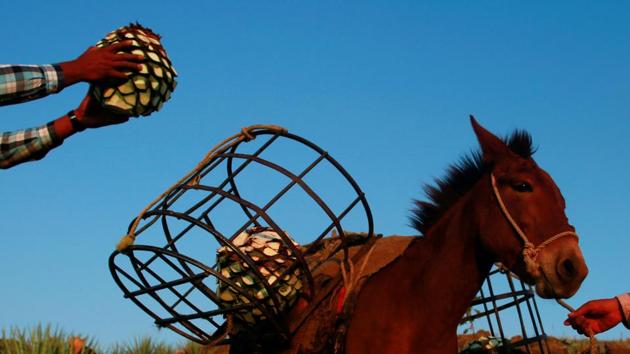
Arrieros or muleteers load hearts of blue agave onto a mule during a harvest. Most of the agave harvest is collected by workers using mules in the rocky terrain. (Carlos Jasso / REUTERS)
6/11
 View Photos in a new improved layout
Updated on May 04, 2018 11:24 AM
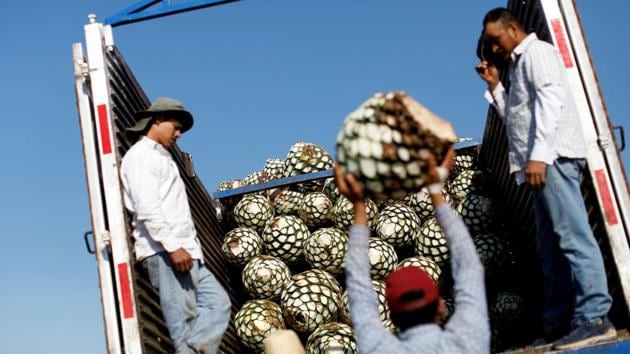
In the past the agave hearts were cooked below ground, the way mezcal is still produced in other regions of Mexico. But much of the export tequila is now made in industrial distilleries run by Britain’s Diageo, Bacardi and Mexico’s Jose Cuervo. (Carlos Jasso / REUTERS)
7/11
 View Photos in a new improved layout
Updated on May 04, 2018 11:24 AM
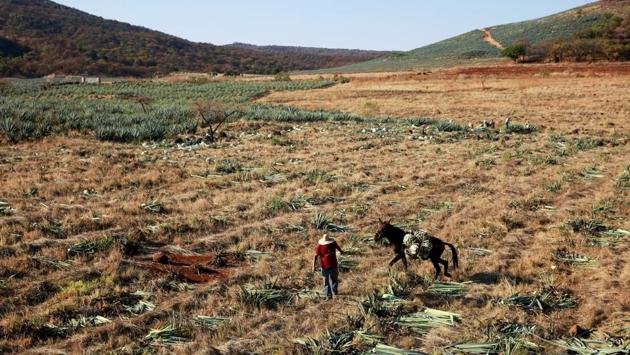
Jose Luis Flores, 41, inherited a team of seven mules when his father died late last year. “I helped my dad for 20 years and I love it,” Flores said. “No one can replace us, not even a machine. My mules can get past any cliff or difficult path.” (Carlos Jasso / REUTERS)
8/11
 View Photos in a new improved layout
Updated on May 04, 2018 11:24 AM
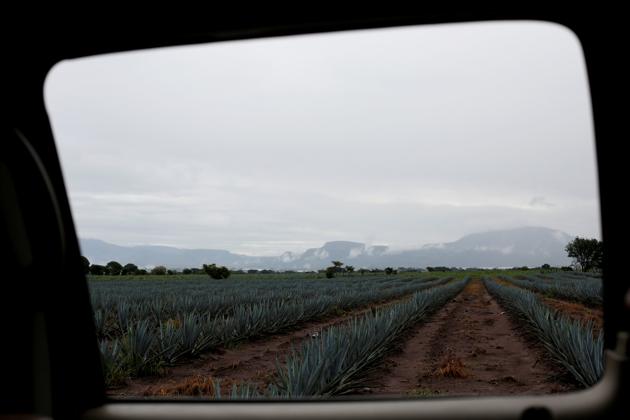
Each spiky-leaved agave plant requires seven to eight years to mature, but demand is pushing producers to use younger plants. Nearly 18 million blue agaves were planted in 2011 in Mexico for harvest this year, well below an estimated demand for 42 million to supply 140 registered companies. (REUTERS)
9/11
 View Photos in a new improved layout
Updated on May 04, 2018 11:24 AM
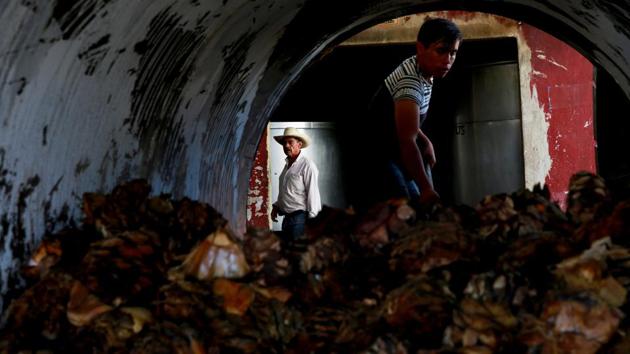
An employee works at an oven used to cook agave as J. Cruz Reinoso, founder of the Don Blanco distillery, a family business he has been building up for 30 years looks on, in Tequila, Jalisco. “Tequila is a good business but there is so much demand for it. I hope the agave lasts for a long time,” Reinoso said. (Carlos Jasso / REUTERS)
10/11
 View Photos in a new improved layout
Updated on May 04, 2018 11:24 AM
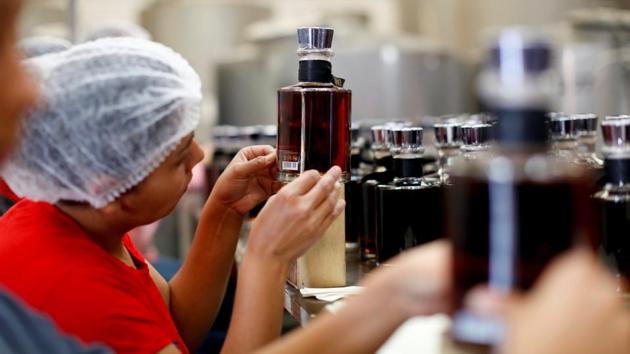
A worker labels bottles of tequila in a factory in Amatitan, Jalisco. Jimadores worry machines could eventually replace them but harvesting agave by machine would be complex, since it is difficult to predict the size of the heart from the size of the plant. (Carlos Jasso / REUTERS)
11/11
 View Photos in a new improved layout
Updated on May 04, 2018 11:24 AM


