
 E-Paper



Photos: Mothers of babies afflicted by Zika fight poverty, despair
Nearly three years after a Zika virus outbreak in Brazil caused thousands of cases of microcephaly and other devastating birth defects in newborns, Reuters spoke with nearly 30 mothers who contracted the Zika virus during pregnancy in the Brazil, Angola and Argentina. Some of the mothers who had contracted the virus have been left abandoned by their husbands while others confessed to despair and depression. What remains common however is an expression of a fierce love for their children and a hope for a better life.
Updated on: Oct 19, 2018 10:03 AM IST

Share via


Copy link

1/10
 View Photos in a new improved layout
Updated on Oct 19, 2018 10:03 AM
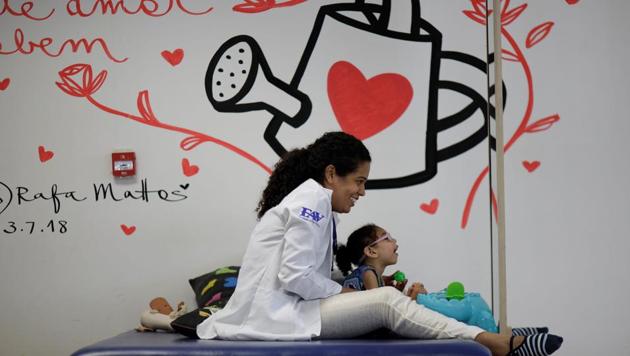
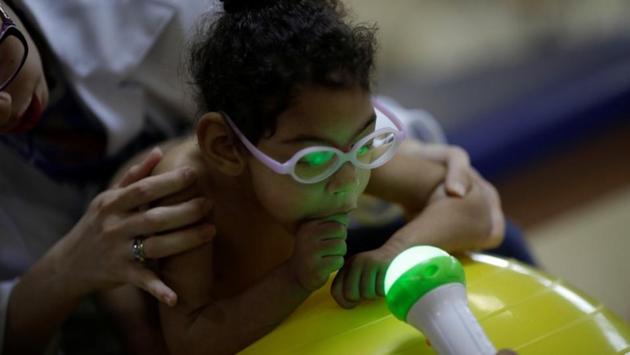
Luana Vieira, who is two years old, and was born with microcephaly, reacts to stimulus during an evaluation session at the Altino Ventura rehabilitation centre in Recife, Brazil. Luana’s mother Rosana Vieira Alves has three daughters. “It’s hard to manage the girls. Some of them are jealous, but Luana needs more care. In time, they’ll understand.” she said. Alves lacks family support and is overwhelmed by housing and medical costs. (Ueslei Marcelino / REUTERS)
2/10
 View Photos in a new improved layout
Updated on Oct 19, 2018 10:03 AM
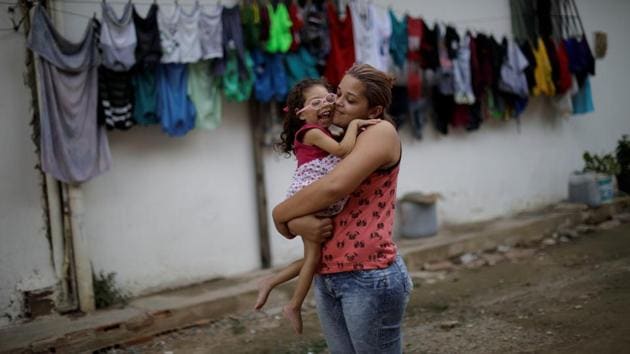
Gabriela Alves de Azevedo, 22, holds her two-year-old daughter Ana Sophia at their house in Olinda. Ana Sophia has microcephaly, a rare birth defect marked by small head size that signifies arrested brain development during gestation. Besides developmental issues, Ana Sophia has vision and hearing problems and trouble swallowing. Gabriela had planned to finish high school and study physical therapy. Now, she spends her days caring for her child. (Ueslei Marcelino / REUTERS)
3/10
 View Photos in a new improved layout
Updated on Oct 19, 2018 10:03 AM
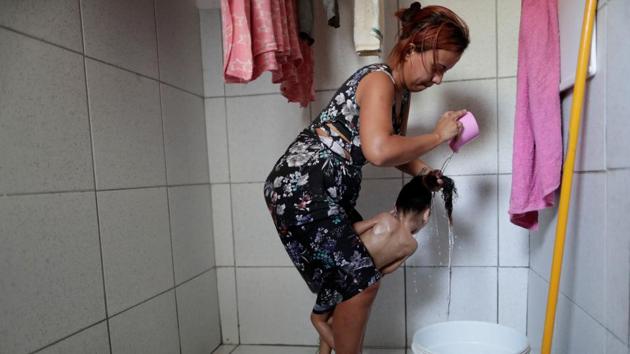
Many of the women have largely adjusted to the initial shock of their child’s disability, trading dreams of their own careers for the reality of around-the-clock care of a child who may never walk or talk. They struggle to get by on a monthly disability check of just over 954 reais (roughly $250), which must cover shelter, food, medications and frequent doctor visits. (Ueslei Marcelino / REUTERS)
4/10
 View Photos in a new improved layout
Updated on Oct 19, 2018 10:03 AM
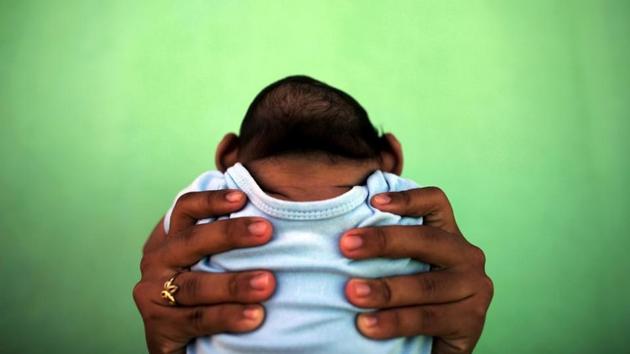
Jackeline Vieira de Souza, 26, holds her four-month-old son Daniel who was born with microcephaly at their house in Olinda. Jackeline fought to overcome a very rare complication from an earlier pregnancy, and then survived cancer. “My dream was to be a mother again. When he was born, I fell in love with him because I knew he would be a good thing in my life, even with the difficulties I would have to face.” she said. (Nacho Doce / REUTERS)
5/10
 View Photos in a new improved layout
Updated on Oct 19, 2018 10:03 AM
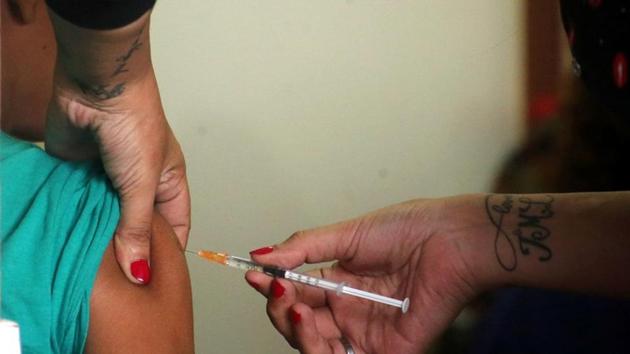
A woman is vaccinated during a campaign against yellow fever, dengue, chikungunya and zika after the World Health Organization issued recommendations for travellers heading to certain parts of Brazil and Southeast Asia, in Buenos Aires, Argentina. (Marcos Brindicci / REUTERS)
6/10
 View Photos in a new improved layout
Updated on Oct 19, 2018 10:03 AM
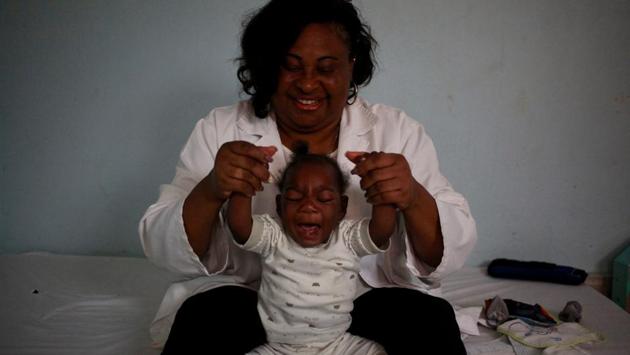
Ten month old Emiliano Cula, who has microcephaly, receives physiotherapy to try and stimulate control over his muscles in Luanda, Angola. (Stephen Eisenhammer / REUTERS)
7/10
 View Photos in a new improved layout
Updated on Oct 19, 2018 10:03 AM
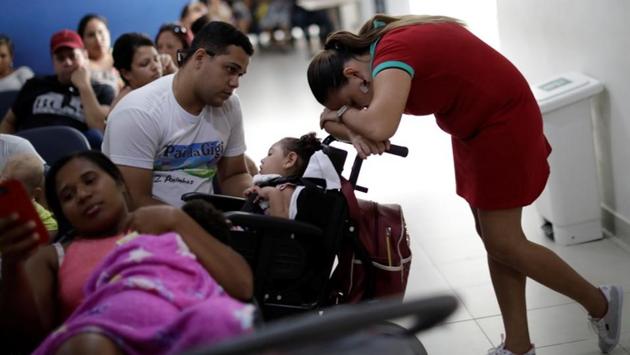
Gleyse Kelly da Silva, 28, rests on the baby carriage of her two-year-old daughter Maria Giovanna, while waiting for a medical appointment. “People do not respect my daughter’s rights,” she said. Other mothers have told her similar stories, including a bus passenger who refused to ride with “that demon,” referring to a baby with microcephaly. (Ueslei Marcelino / REUTERS)
8/10
 View Photos in a new improved layout
Updated on Oct 19, 2018 10:03 AM
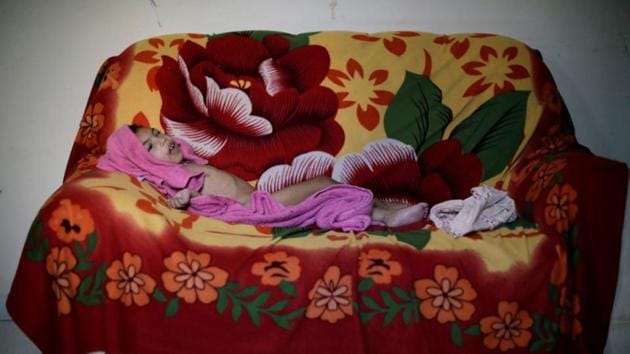
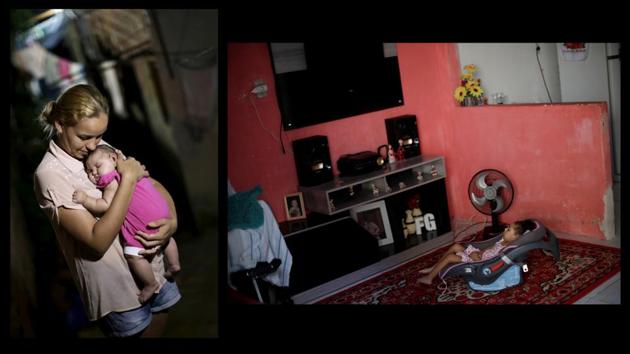
Luana Vieira, who is two years old, and was born with microcephaly, lies on a sofa after bath at her house in Brazil. WHO officials fear a Zika virus spread to new populations. In Angola, dozens of babies born with microcephaly since 2017 appear linked to the same strain of Zika that hit Latin America. (Ueslei Marcelino / REUTERS)
9/10
 View Photos in a new improved layout
Updated on Oct 19, 2018 10:03 AM
Luana Vieira, who is two years old, and was born with microcephaly, reacts to stimulus during an evaluation session with a physiotherapist at the Altino Ventura rehabilitation center in Recife, Brazil. (Ueslei Marcelino / REUTERS)
10/10
 View Photos in a new improved layout
Updated on Oct 19, 2018 10:03 AM


