
 E-Paper



Everyday explained: Why garbage bags have that thin white string

 Prefer HTon Google


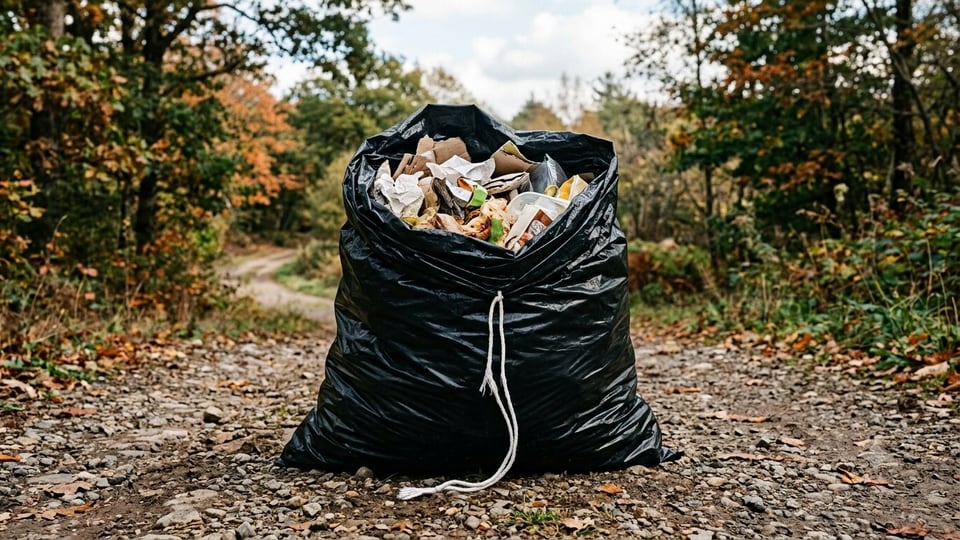
Plastic garbage bags come with a string. But what purpose does it serve.
Every day, people dispose of tons of garbage from their homes, and most of them use a black plastic bag to do so. But while buying the bags at the market, or even when disposing of them before your local municipal workers come to collect them, have you ever noticed the white string and wondered what purpose it serves? We have the answer for you!
Everyday explained: What does the unique number on Indian trains mean?
Why do garbage bags have a white string?
Garbage bags are designed with sturdy strings attached at the end, which get released every time you tear one off from a packet. It is there so that once the bag is full, you can simply pull the string to tightly tie it around the bag and close it, without worrying about spills.
They are convenient and hygienic since you don’t have to touch the bag’s opening when tying it. The drawstring design ensures the bag stays secure during transport and prevents accidental openings. Moreover, it looks neat and is easy to use, making it suitable for modern living spaces.
Trash bags with strings are commonly used in households, offices, restaurants, hotels, and even in industrial settings where quick and hygienic waste handling is essential. This makes them an ideal choice for anyone who values convenience and cleanliness.
What's the right way to separate trash?
In Indian households, it is very rare to find people segregating trash before throwing it away. However, there is increasing awareness, with many trying to segregate wet and dry waste to recycle the dry waste easily and use the wet waste as compost. In case you didn't know, here's the right way to do it:
- Keep separate containers for dry and wet waste in the kitchen
- Keep two bags for dry waste collection (paper and plastic) and for the rest of the household waste
- Keep kitchen plastics, such as milk bags, clean and dry, then drop them into the dry waste bin
- Rinse food off the glass or plastic containers before throwing them in the trash
- Send wet waste out of your home daily. Store and send dry waste out of the home once a week
- Keep a paper bag for throwing the sanitary waste
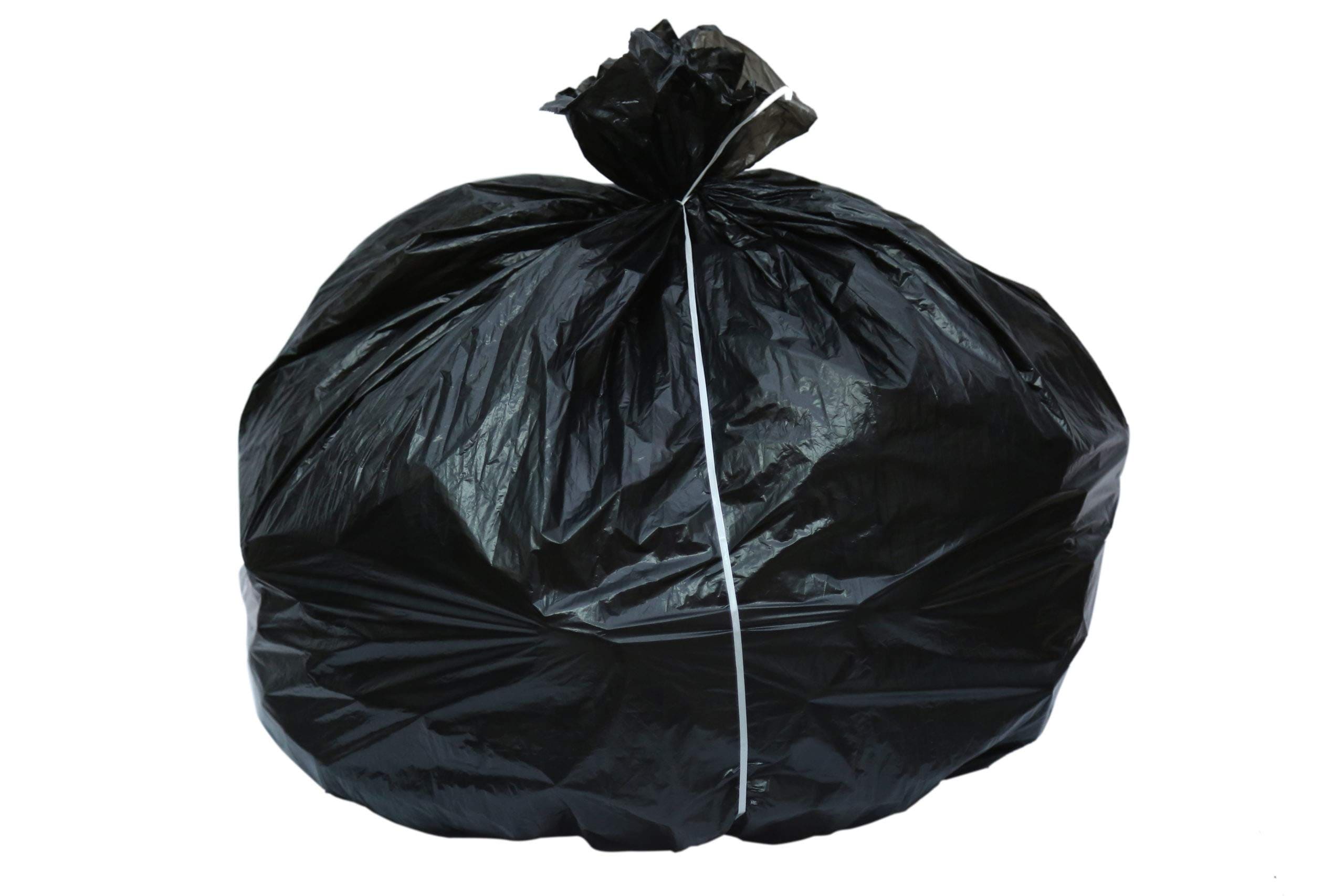
Why is segregating waste important?
When we segregate waste right at our homes, less waste goes to the landfill, which occupies space and pollutes the air and water. This also leads to considerably lower pollution rates. Segregating waste also makes it easier to apply different disposal processes to different kinds of waste, such as composting, recycling, and incineration.


