
 E-Paper



Photos: Parents of schoolgirls abducted by Boko Haram left with keepsakes
In an attack reminiscent of the 2014 Chibok abductions in Nigeria, the parents of 110 schoolgirls abducted by Boko Haram militants from a school in Dapchi are left holding on to mundane keepsakes like school uniforms, photographs or traces left at home as the only connections to their daughters’ recent lives while they wait for news.
Updated on: Mar 06, 2018 11:20 AM IST

Share via


Copy link

1/11
 View Photos in a new improved layout
Updated on Mar 06, 2018 11:20 AM
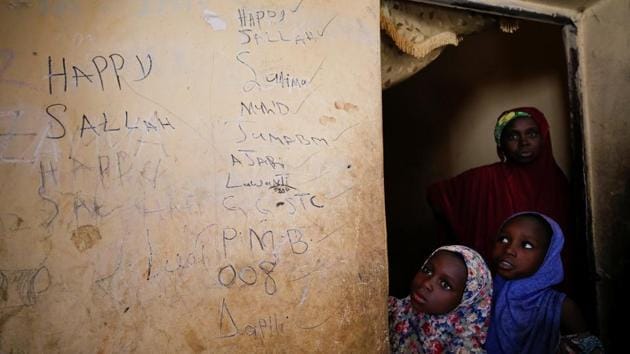
Fatima Dala’s mother and sisters stand by a wall covered in her writings at their home, in Jumbam village, Nigeria. Fatima was among the 110 students abducted by Boko Haram militants from the Government Girls Science and Technical College in Dapchi, a dusty, remote town in the northeast Nigerian state of Yobe on February 19. (Afolabi Sotunde / REUTERS)
2/11
 View Photos in a new improved layout
Updated on Mar 06, 2018 11:20 AM
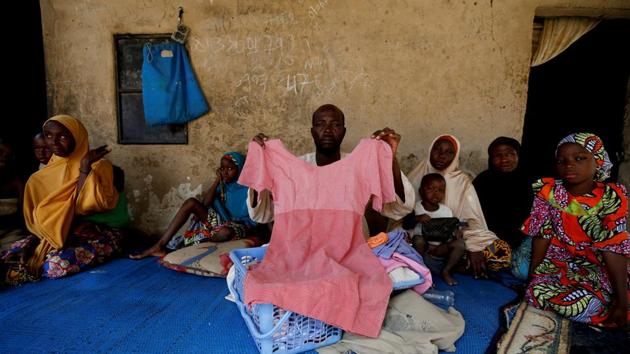
Kachalla Bukar’s (C) eyes filled with tears when he looked at a plastic basket containing his 14-year-old daughter’s belongings. The basket contained noodles, clothes and other items packed to make her life at boarding school more comfortable. For Bukar, the box and its contents are keepsakes to be cherished but also a reminder of the moment he learned his daughter was missing. (Afolabi Sotunde / REUTERS)
3/11
 View Photos in a new improved layout
Updated on Mar 06, 2018 11:20 AM
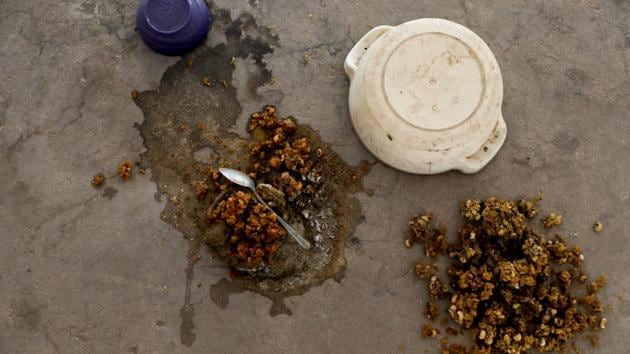
Remnants of the last meal served to students before men shouting and brandishing weapons attacked the school, lie on the ground at the Government Girls Science and Technical College in Dapchi. (Afolabi Sotunde / REUTERS)
4/11
 View Photos in a new improved layout
Updated on Mar 06, 2018 11:20 AM
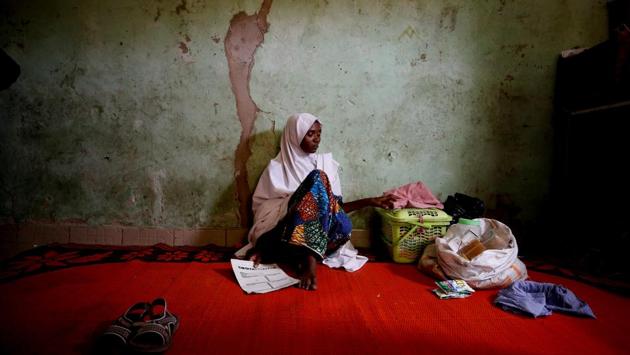
Adama Mustapha, mother of Salamutu, Fatima and Maryam Mustapha, all missing students of the attack, sits near her daughters' clothing and provisions at her house in Dapchi. The abductions may be one of the largest since Boko Haram took more than 270 schoolgirls from Chibok in 2014. That case sparked an online campaign and spurred several governments into action to try and find them. (Afolabi Sotunde / REUTERS)
5/11
 View Photos in a new improved layout
Updated on Mar 06, 2018 11:20 AM
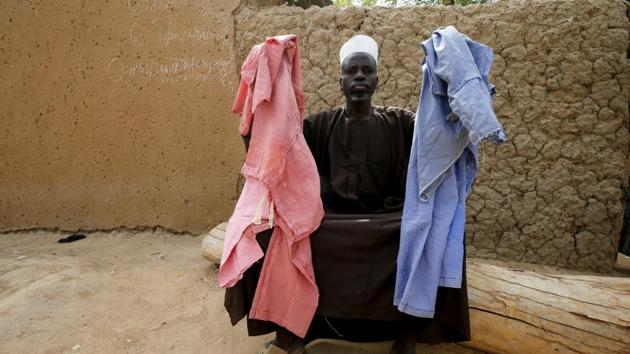
Alhaji Audu Danga, 50, sat outside his mud house clad in a dark kaftan holding up two dresses, one pink and one blue, used to distinguish school attire and home clothing for the students. His missing 20-year-old daughter Falmata Audu is among the oldest of the school’s 906 students. Most are between 11 and 19. (Afolabi Sotunde / REUTERS)
6/11
 View Photos in a new improved layout
Updated on Mar 06, 2018 11:20 AM
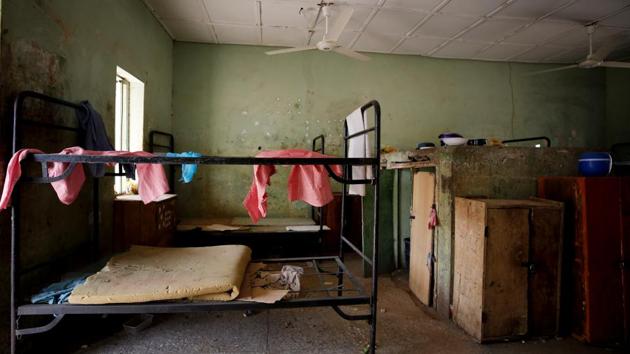
Pieces of student clothing and a mattress are seen on bunk beds in a student dormitory at the Government Girls Science and Technical College. Empty single storey buildings containing classrooms and dormitories are spread across the sprawling, but empty compound, interspersed with skeletal trees sprouting from red soil. (Afolabi Sotunde / REUTERS)
7/11
 View Photos in a new improved layout
Updated on Mar 06, 2018 11:20 AM
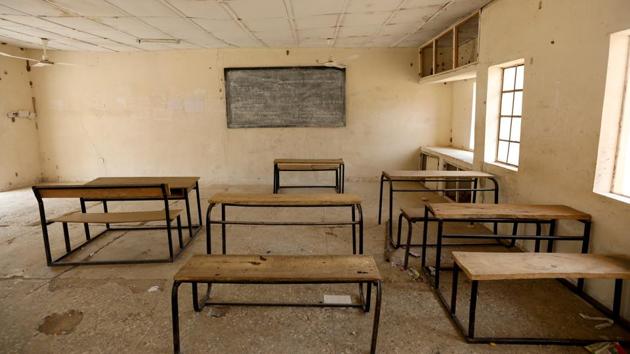
Messages daubed on walls, blackboards and rows of empty bunk beds provide a glimpse of school life while missing ceiling tiles in a dusty classroom hint at the poverty that is rife in northeast Nigeria. (Afolabi Sotunde / REUTERS)
8/11
 View Photos in a new improved layout
Updated on Mar 06, 2018 11:20 AM
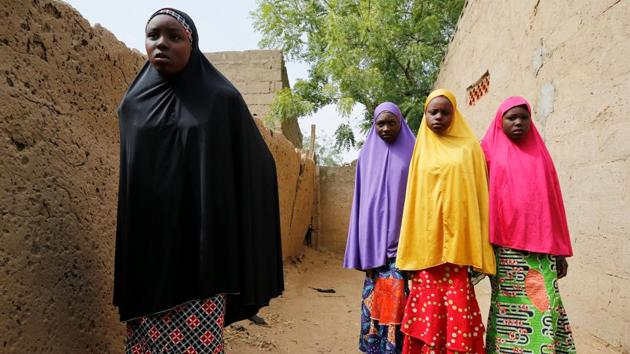
Amina Usman (L), a 15-year-old was among the pupils who escaped the jihadist group whose name roughly translates as “Western education is forbidden” in the Hausa language widely spoken in northern Nigeria. “I thought I will never see my parents or family again alive. I thought that was going to be the end of my life,” she said. (Afolabi Sotunde / REUTERS)
9/11
 View Photos in a new improved layout
Updated on Mar 06, 2018 11:20 AM
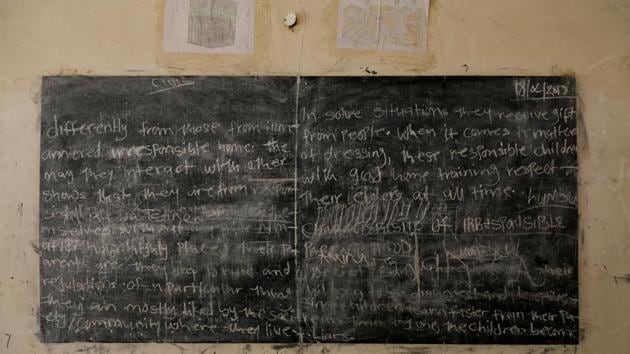
Notes written on a blackboard during a class on February 18, a day before the attack on the school. “I don’t want to return to that school again, except if I get transfer to another place. I am scared, even if the government provides security,” Amina said. (Afolabi Sotunde / REUTERS)
10/11
 View Photos in a new improved layout
Updated on Mar 06, 2018 11:20 AM
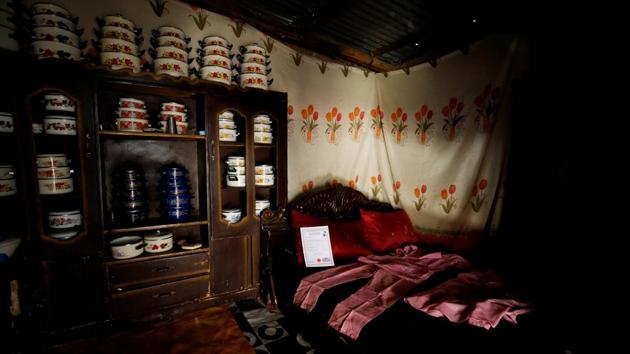
Clothes belonging to Maryam Adam Kontoma, lie on her mother's bed at her home in Dapchi. The military had withdrawn weeks before the February 19 attack, saying its troops were needed elsewhere and claiming that security was handed over to police. Police deny this claim, saying the military never entrusted security to it. (Afolabi Sotunde / REUTERS)
11/11
 View Photos in a new improved layout
Updated on Mar 06, 2018 11:20 AM


