
 E-Paper



Photos: Roused by Putin’s ‘Crimean Spring’, young Russians learn the military way
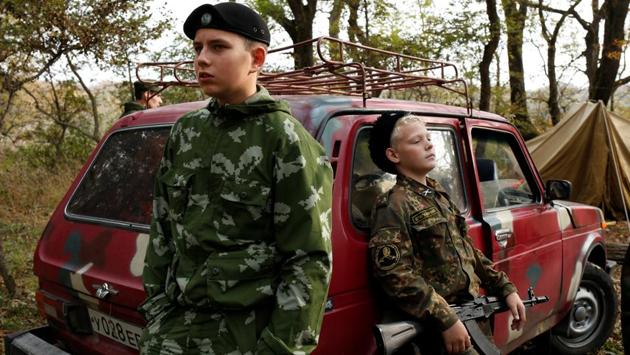
An indirect result of Russian President Vladimir Putin's 2014 annexation of Crimea from Ukraine, apart from a boost in ratings back home, has been the rise of military training among teenagers affiliated with nationalist clubs, especially in Southern Russia.
Updated on: Dec 02, 2017 3:08 PM IST

Share via


Copy link

1/9
 View Photos in a new improved layout
Updated on Dec 02, 2017 3:08 PM
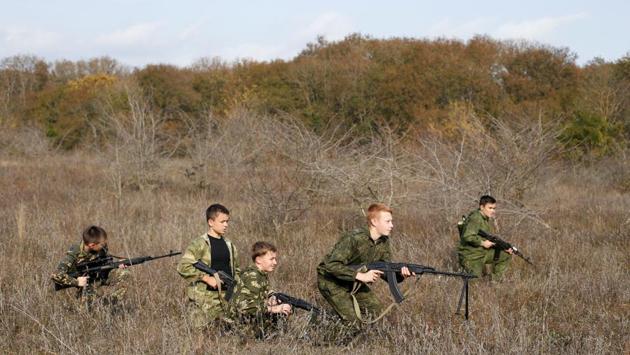
Students from the General Yermolov Cadet School attend a military tactical exercise outside Stavropol, Russia. President Vladimir Putin may be criticised by the West for the annexation of Crimea from Ukraine in 2014 or “The Crimean Spring” as it was hailed by Russian nationalists, but at home the move has led to an upsurge in what is called “military and patriotic education” of Russian youths. (Eduard Korniyenko / REUTERS)
2/9
 View Photos in a new improved layout
Updated on Dec 02, 2017 3:08 PM
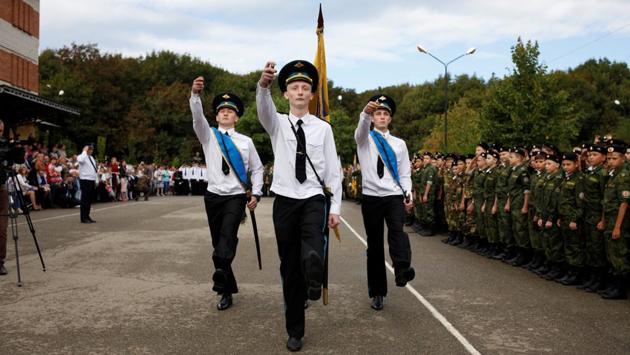
Students from the General Yermolov Cadet School march during a ceremony to mark the beginning of the school year in Stavropol. Here, interest has been revived in the Cossacks, a warrior class in tsarist times, who were portrayed as peaceful ploughmen in quiet times, but swift to repel attacks from nearby regions, such as Chechnya and Dagestan, or join Moscow’s military campaigns elsewhere. (Eduard Korniyenko / REUTERS)
3/9
 View Photos in a new improved layout
Updated on Dec 02, 2017 3:08 PM
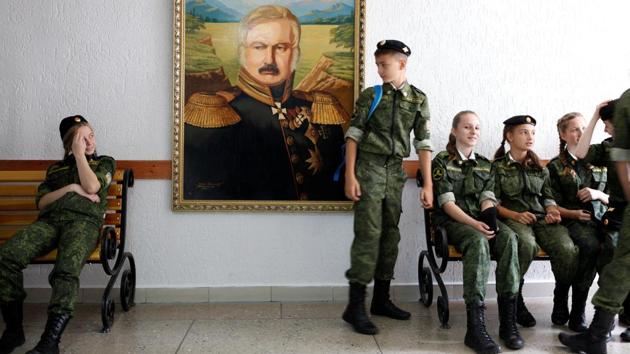
Students seen at the General Yermolov Cadet School next to the portrait of Alexei Yermolov, the famous Russian imperial general. “Tomorrow begins today,” reads the motto of the cadet school that was named after the 19th century general who conquered the Caucasus for the Russian empire. (Eduard Korniyenko / REUTERS)
4/9
 View Photos in a new improved layout
Updated on Dec 02, 2017 3:08 PM
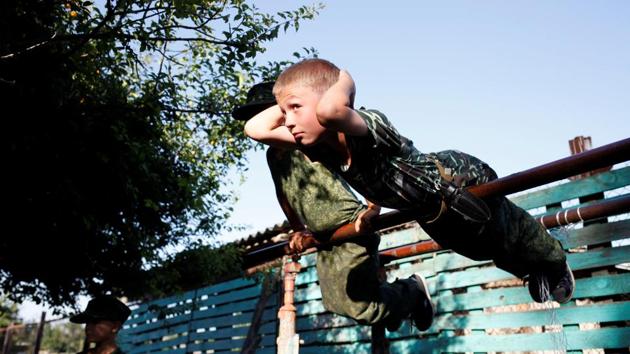
Members of the pro-military club "Patriot" from the Crimean city of Evpatoria, train during a visit to the base of the "Russian Knights" club, in the village of Sengileyevskoye, in Stavropol region. Most cadets come from families of active Russian soldiers or officers from other security forces. (Eduard Korniyenko / REUTERS)
5/9
 View Photos in a new improved layout
Updated on Dec 02, 2017 3:08 PM
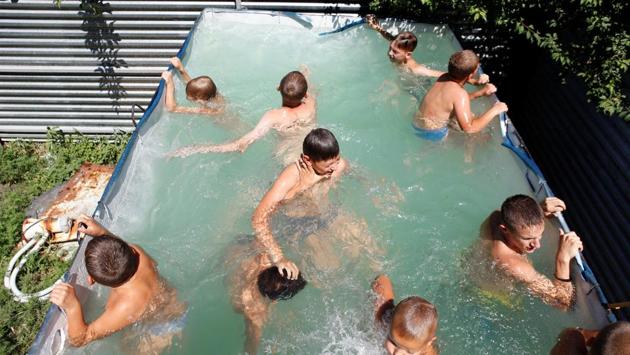
"Patriot" club members exercise in a pool during a visit to the "Russian Knights" base. Over the summer, up to 600 teenaged boys and girls train here. (Eduard Korniyenko / REUTERS)
6/9
 View Photos in a new improved layout
Updated on Dec 02, 2017 3:08 PM
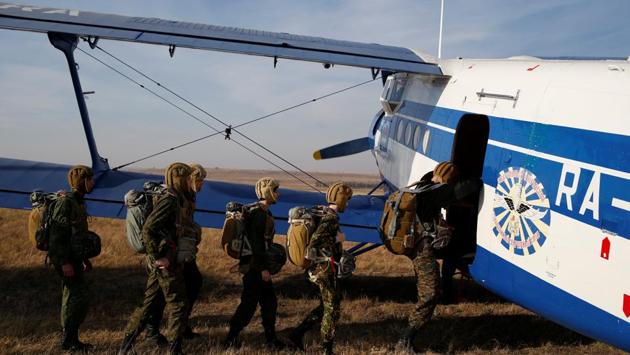
Students from the General Yermolov Cadet School board an airplane for a parachute jump at an airdrome in the village of Novomaryevskaya outside Stavropol. Physical exercises go hand-in-hand with weapons training, marksmanship tests, car driving and even parachuting. (Eduard Korniyenko / REUTERS)
7/9
 View Photos in a new improved layout
Updated on Dec 02, 2017 3:08 PM
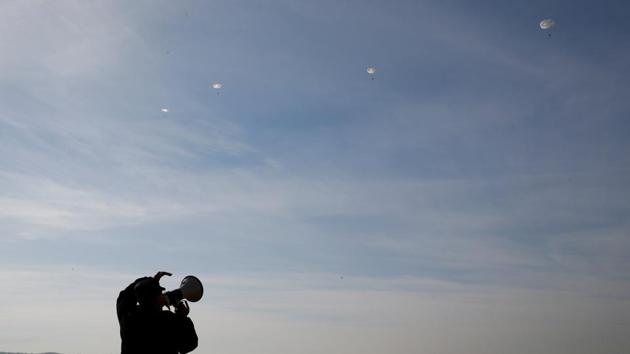
An instructor guides students from the General Yermolov Cadet School during a parachuting exercise from an airplane at an airdrome in the village of Novomaryevskaya. (Eduard Korniyenko / REUTERS)
8/9
 View Photos in a new improved layout
Updated on Dec 02, 2017 3:08 PM
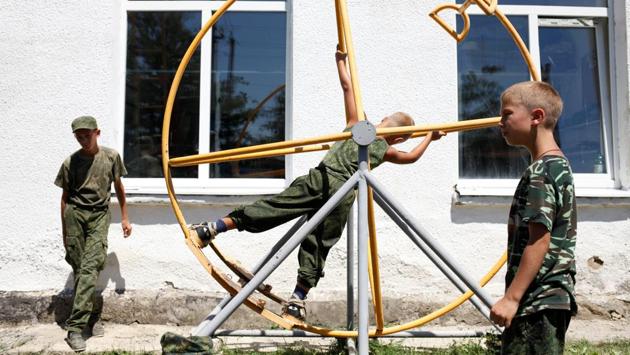
"Patriot" club members use the physical training facilities during a visit to the "Russian Knights" base. This field camp trains more than 1,500 teenagers a year. (Eduard Korniyenko / REUTERS)
9/9
 View Photos in a new improved layout
Updated on Dec 02, 2017 3:08 PM


