
 E-Paper



Photos: Seven-year-old footballer challenges gender rules in Argentina
Candelaria Cabrera is the only girl playing in a children's football league in the southern party of Santa Fe province, birthplace of stars including Lionel Messi, Gabriel Batistuta and Jorge Valdano. Two months ago, regional soccer authorities notified her team they could no longer include Candelaria. She could only play on a girls' team — which does not exist where Candelaria lives. The regional regulation prohibiting mixed-gender teams in children's categories threatens to take her off the field — a ruling that has helped dramatize the inequality in opportunities for men and women in Argentina.
Updated on: Sep 13, 2018 9:27 AM IST

Share via


Copy link

1/10
 View Photos in a new improved layout
Updated on Sep 13, 2018 9:27 AM
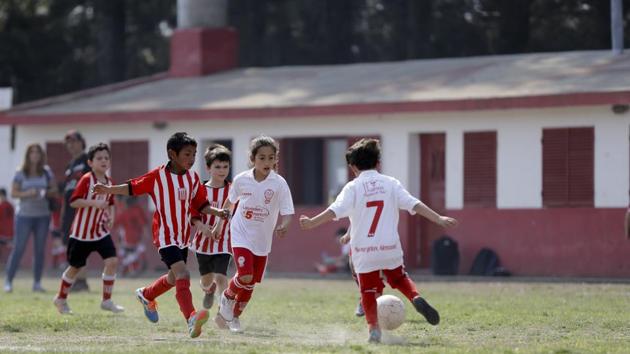
At age 7, Candelaria Cabrera goes after the ball with determination. She drives toward her rivals without caring much about getting hurt and deftly manages the bumps on the dirt field. She wears a loose white jersey from Huracan de Chabas, her hometown. Her long, copper coloured hair tied in a ponytail distinguishes her from the rest of the players. (Natacha Pisarenko / AP)
2/10
 View Photos in a new improved layout
Updated on Sep 13, 2018 9:27 AM
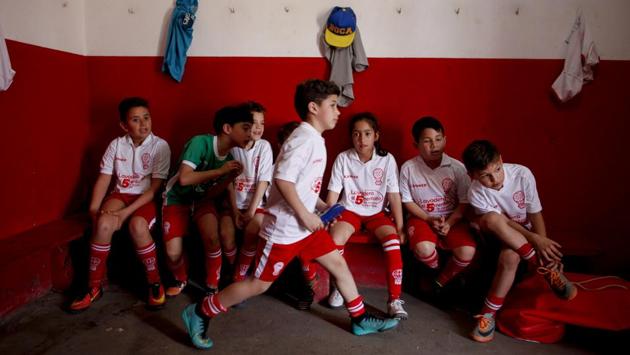
Candelaria Cabrera (3rd R), sits with her teammates before a match against the Alumni football team. “Cande,” as she is known by friends and family, is the only girl playing in a children’s football league in the southern party of Santa Fe province, birthplace of stars including Lionel Messi, Gabriel Batistuta and Jorge Valdano. (Natacha Pisarenko / AP)
3/10
 View Photos in a new improved layout
Updated on Sep 13, 2018 9:27 AM
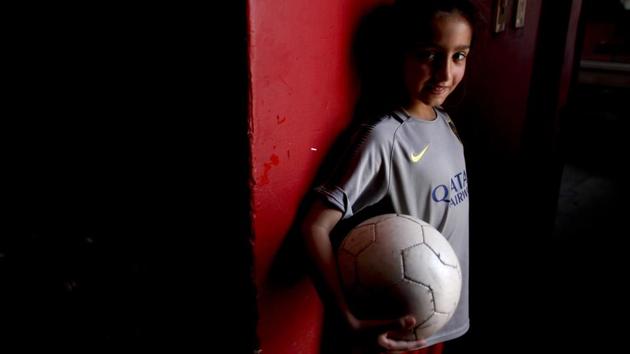
Candelaria Cabrera poses for a portrait in Chabaz. A regional regulation that prohibits mixed-gender teams in children’s categories now threatens to take her off the field — a ruling that has helped dramatize the inequality in opportunities for men and women in this football-crazed country. (Natacha Pisarenko / AP)
4/10
 View Photos in a new improved layout
Updated on Sep 13, 2018 9:27 AM
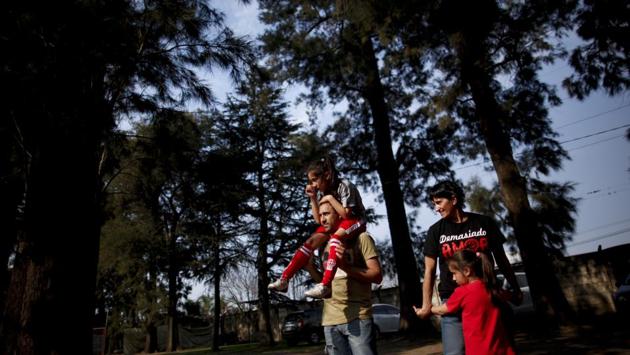
Candelaria Cabrera rides on the shoulders of her father, accompanied by her mother Rosana, and sister Rufina. “I had to sit down with her and tell her that there are some people who have to make rules in football and that these rules do not agree with what she wants,” said Rosana. “And, well, we both cried, and she said: ‘The people who make the laws are bad people.’” (Natacha Pisarenko / AP)
5/10
 View Photos in a new improved layout
Updated on Sep 13, 2018 9:27 AM
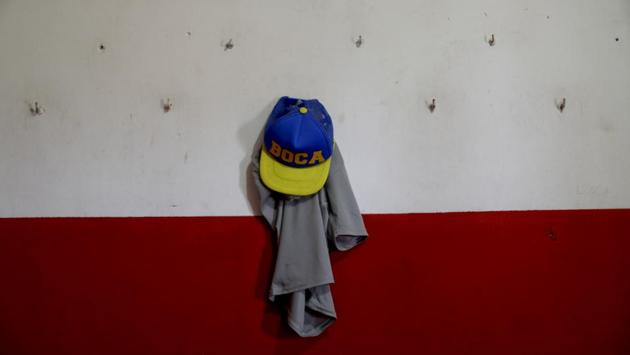
Two months ago, regional authorities notified Huracan that the team could no longer include Candelaria. She could only play on a girls’ team — which doesn’t exist where Candelaria lives. Noriega took to social media about her daughter’s case and was surprised to find that she wasn’t the only one. Girls wrote to her saying they were facing the same problem in nearby towns and more distant provinces. (Natacha Pisarenko / AP)
6/10
 View Photos in a new improved layout
Updated on Sep 13, 2018 9:27 AM
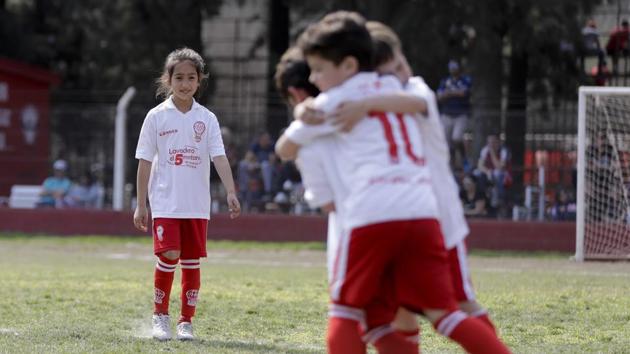
Candelaria watches her teammates celebrate a goal. She was 3 years old when her parents gave her her first ball. They understood that it didn’t make sense to insist she play with dolls, even if there were “comments from other moms that they should not give her male toys because it would encourage her to be a lesbian,” Noriega recalled. (Natacha Pisarenko / AP)
7/10
 View Photos in a new improved layout
Updated on Sep 13, 2018 9:27 AM
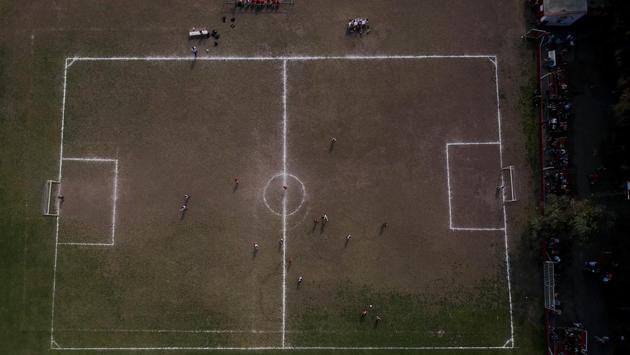
Of the 230 regional leagues recognized by the Argentine Football Association, only 68 have women’s teams. This is just one of the many disparities with men’s football. The most notable is financial: The best-paid contract in men’s first division is around $3 million a year. In contrast, women who play in their top category receive a travel voucher of $44. (Natacha Pisarenko / AP)
8/10
 View Photos in a new improved layout
Updated on Sep 13, 2018 9:27 AM
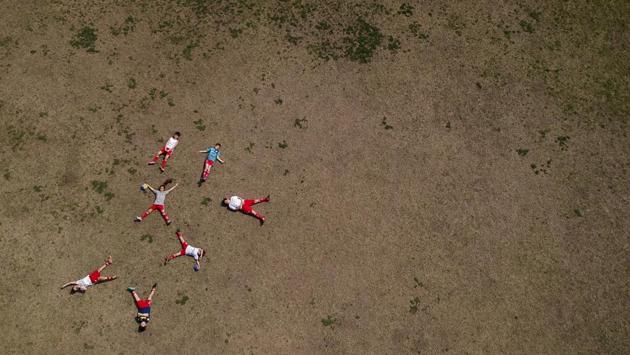
Argentina’s female players, who will play in a November runoff game for the 2019 World Cup, have struggled financially with payment delays. They also expressed discomfort when Adidas, the brand that sponsors a few members of the national teams of both genders, unveiled the new shirt for the Female America Cup this year with models rather than players. (Natacha Pisarenko / AP)
9/10
 View Photos in a new improved layout
Updated on Sep 13, 2018 9:27 AM
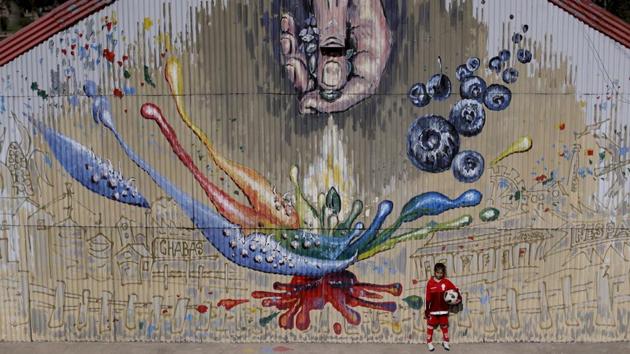
“The important thing is that every club in every corner of the country gives a girl the possibility of joining a female football team, to play with other girls, even if it’s just for fun, and from there generate the necessary structure that ... sets them on equal standing as the male players”, Ricardo Pinela, president of the Football Association’s Women’s Football Commission argued. (Natacha Pisarenko / AP)
10/10
 View Photos in a new improved layout
Updated on Sep 13, 2018 9:27 AM


