
 E-Paper



Photos: Shenzhen, China’s reform pioneer, now eyes tech revolution
The southern city of Shenzhen is the symbol of the transformative reforms launched by China 40 years ago: former fishing villages that morphed into a global manufacturing hub. Today Shenzhen is again at the heart of a new policy aimed at turning China into a hi-tech innovator and shed its reputation as an assembly line for foreign companies or -- worse -- an imitator. The metropolis is now seeking to reinvent itself as the home of Chinese innovation, in line with Beijing's "Made in China 2025" plan to dominate key hi-tech industries such as robotics, electric vehicles and artificial intelligence.
Updated on: Dec 18, 2018 11:18 AM IST

Share via


Copy link

1/11
 View Photos in a new improved layout
Updated on Dec 18, 2018 11:18 AM
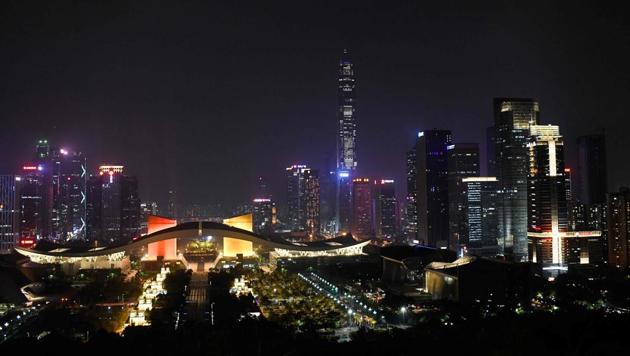
Modern skyscrapers housing corporations and ambitious startups tower over was just clusters of fishing villages forty years ago. Shenzhen in China’s Guangdong province is today is known as a mega-city of 13 million people -- among them is Wu Yebin, 35, who runs his own tech firm from his 35th floor office. (Wang Zhao / AFP)
2/11
 View Photos in a new improved layout
Updated on Dec 18, 2018 11:18 AM
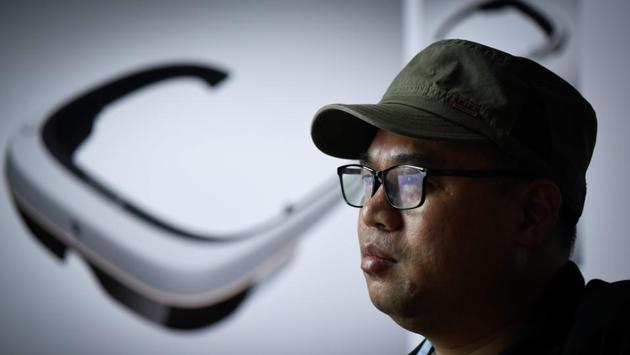
The son of poor farmers, Wu arrived here in 2005 and over the years assembled devices similar to Apple’s iPad or MacBook, joining Shenzhen’s army making “shanzhai” -- affordable knock-offs of foreign electronics for the local population. “Germany, the United States, Japan, South Korea... All developed countries have done this to develop their manufacturing industry,” Wu said. “You have to do that to gain experience.” (Wang Zhao / AFP)
3/11
 View Photos in a new improved layout
Updated on Dec 18, 2018 11:18 AM
A man holds onto a sharing bicycle in front of a poster of Chinese former leader Deng Xiaoping in Shenzhen. Wu’s story mirrors countless others, rising from modest backgrounds following the reforms spearheaded by Deng, which the Communist Party ratified on December 18, 1978. (Wang Zhao / AFP)
4/11
 View Photos in a new improved layout
Updated on Dec 18, 2018 11:18 AM
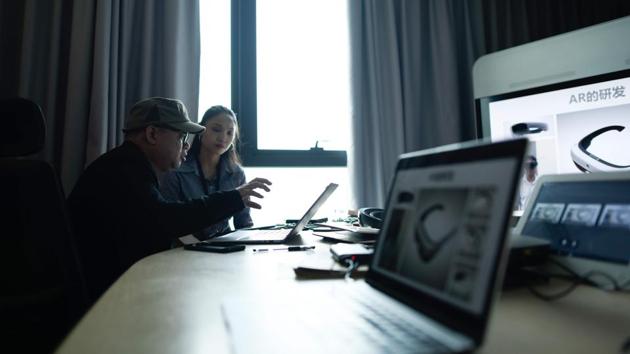
While this economic model used to be “very popular, it is no longer viable today,” Wu said. He now leads his own electronics firm, MeegoPad, which boasts an annual turnover of $28 million making products such as miniature PCs. “We are now very attached to intellectual property and patents,” he said. (Wang Zhao / AFP)
5/11
 View Photos in a new improved layout
Updated on Dec 18, 2018 11:18 AM
Shenzhen, which lived off fishing and rice paddies, became a testing ground for Deng’s reforms when it was designated as the country’s first Special Economic Zone in 1980. It grew into a massive manufacturing centre, with factories churning out gadgets, computers and phones for foreign firms, which today include Apple and Samsung. (Wang Zhao / AFP)
6/11
 View Photos in a new improved layout
Updated on Dec 18, 2018 11:18 AM
Today China’s corporations such as Huawei and Tencent call Shenzhen home and the city is dubbed the “Silicon Valley of Hardware”. The metropolis is now seeking to reinvent itself as the home of Chinese innovation, in line with Beijing’s “Made in China 2025” plan to dominate hi-tech industries such as robotics, electric vehicles and artificial intelligence. (Wang Zhao / AFP)
7/11
 View Photos in a new improved layout
Updated on Dec 18, 2018 11:18 AM
Talent from abroad is flocking to Shenzhen. Meng Jie, who is French and in his 30s, left California’s Silicon Valley in 2017 to create Maybe, a company that makes smart speakers that help people learn Mandarin. “Silicon Valley is still way ahead in artificial intelligence. But you can find the electronic or mechanical component you need three times faster in Shenzhen,” Meng said. (Wang Zhao / AFP)
8/11
 View Photos in a new improved layout
Updated on Dec 18, 2018 11:18 AM
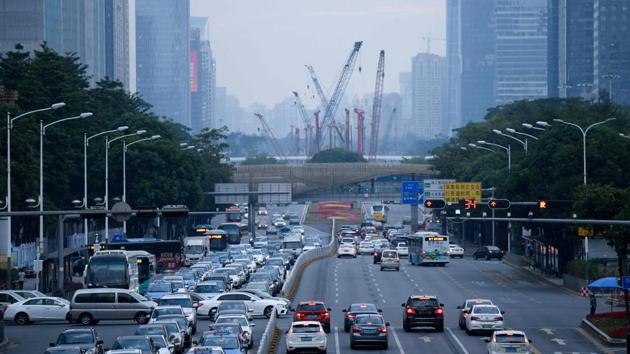
“It’s like going from a road to a motorway.” Pointing to the skyscrapers outside his office, he said: “People see Silicon Valley as the tech Mecca. They underestimate Shenzhen a lot because they don’t know what’s happening here. This place was just sand and water 20 years ago. In 10 years, Shenzhen will be a very important world city. It will be the capital of innovation.” (Wang Zhao / AFP)
9/11
 View Photos in a new improved layout
Updated on Dec 18, 2018 11:18 AM
Those who have witnessed Shenzhen’s rise marvel at its evolution from hi-tech copycat to creator. Duncan Turner, managing director of HAX, an incubator based in the city, moved to Shenzhen in 2009, said the biggest change in the past decade is how young people who used to make fakes are “becoming incredibly inventive, entrepreneurial R&D experts that are leading the way of technology in certain areas.” (Wang Zhao / AFP)
10/11
 View Photos in a new improved layout
Updated on Dec 18, 2018 11:18 AM
Improved higher education has created a new generation of engineers, such as Zhang Zhaohui, chief executive of Youibot, which set up his company in HAX’s incubator to make the first autonomous maintenance robot for buses. (Wang Zhao / AFP)
11/11
 View Photos in a new improved layout
Updated on Dec 18, 2018 11:18 AM


