
 E-Paper



Photos: Stonehenge comes alive on Summer Solstice
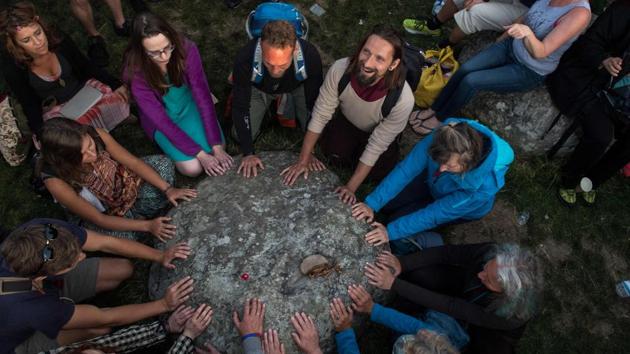
Revellers touch a stone and chant in the stone circle as they celebrate the pagan festival of Summer Solstice at Stonehenge in Wiltshire,England.The festival celebrates the longest day of the year. Possibly built around 5000 years ago, the Stonehenge is believed to have been used to mark solstices and equinoxes. It is said that if one stands at the right spot on the day of the northern summer solstice facing outside the circle -known as the Heel Stone- one can see the sun rise exactly above it. (AFP)
Updated on: Jun 21, 2017 6:34 PM IST

Share via


Copy link

1/10
 View Photos in a new improved layout
Updated on Jun 21, 2017 6:34 PM
Revellers touch a stone and chant in the stone circle as they celebrate the pagan festival of Summer Solstice at Stonehenge in Wiltshire,England.The festival celebrates the longest day of the year. Possibly built around 5000 years ago, the Stonehenge is believed to have been used to mark solstices and equinoxes. It is said that if one stands at the right spot on the day of the northern summer solstice facing outside the circle -known as the Heel Stone- one can see the sun rise exactly above it. (AFP)
2/10
 View Photos in a new improved layout
Updated on Jun 21, 2017 6:34 PM
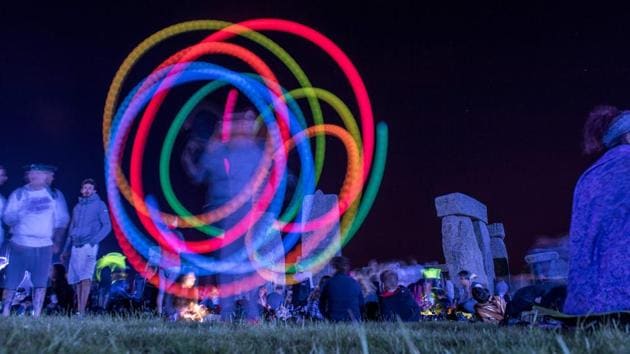
A reveller spins glow sticks as people gather to celebrate the pagan festival of Summer Solstice at Stonehenge in Wiltshire, England. (AFP)
3/10
 View Photos in a new improved layout
Updated on Jun 21, 2017 6:34 PM
The sun rises on the stones of the Stonehenge monument on the summer solstice near Amesbury, Britain. The neolithic monument was declared a world UNESCO site in1986. (REUTERS)
4/10
 View Photos in a new improved layout
Updated on Jun 21, 2017 6:34 PM
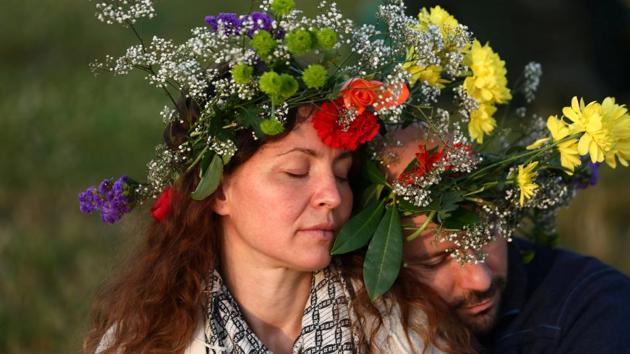
A couple hold each other as they welcome the rising sun on the Stonehenge monument. (REUTERS)
5/10
 View Photos in a new improved layout
Updated on Jun 21, 2017 6:34 PM
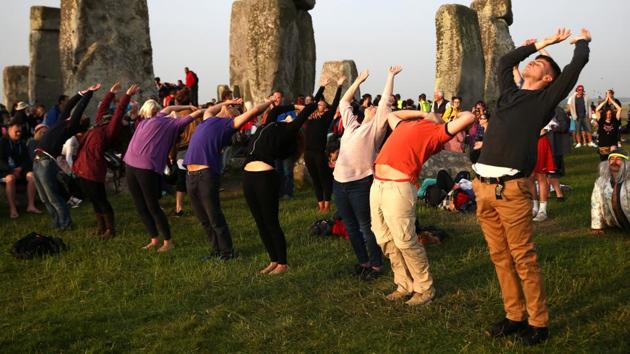
People practice yoga by the Stonehenge at dawn on the Summer Solstice. According to reports, more than 13,000 people had gathered around the historic monument to observe the sunrise. (REUTERS)
6/10
 View Photos in a new improved layout
Updated on Jun 21, 2017 6:34 PM
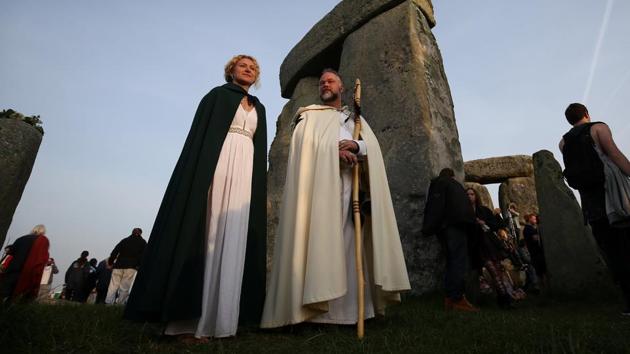
People in druid costume watch the sun rise on the Stonehenge monument. (REUTERS)
7/10
 View Photos in a new improved layout
Updated on Jun 21, 2017 6:34 PM
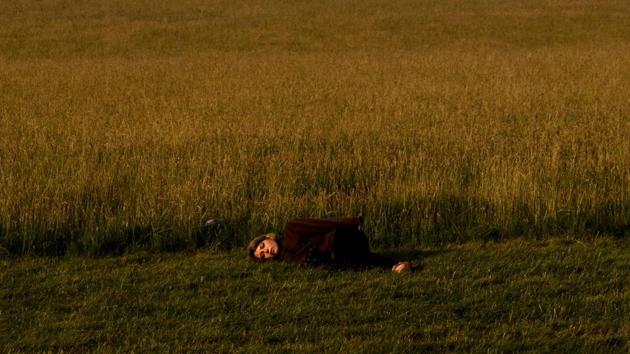
A girl lies asleep by the side of a field near Stonehenge during the pagan festival of Summer Solstice. (AFP)
8/10
 View Photos in a new improved layout
Updated on Jun 21, 2017 6:34 PM
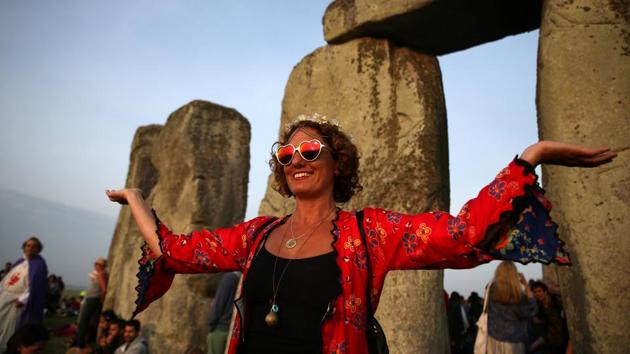
A woman watches the sun rise at the stones of the Stonehenge monument. Believed to have stood in the same spot since 3,000 to 2,000 BC they are positioned to align with the sunrise on the two annual solstices. (REUTERS)
9/10
 View Photos in a new improved layout
Updated on Jun 21, 2017 6:34 PM
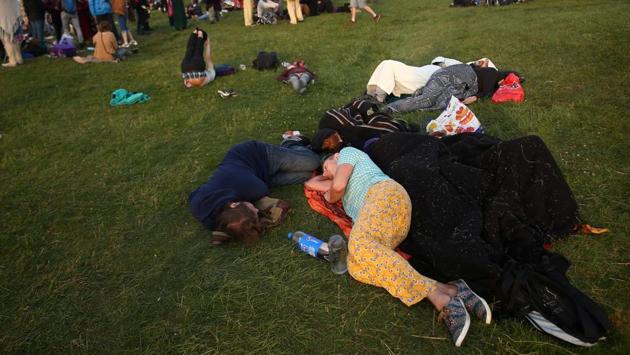
People take a nap after observing the sunrise at the historic moment. (REUTERS)
10/10
 View Photos in a new improved layout
Updated on Jun 21, 2017 6:34 PM


