
 E-Paper



50% Puneites unaware of pollution level of air they breathe: survey
Parisar, Centre for Environment and Education in May 2019 covered 500 individuals to gauge their awareness and perceptions about air pollution in the city.


At least 50 per cent of Pune residents are unaware of the city’s bad air quality. This was revealed through a survey conducted by non-governmental organisations (NGOs) Parisar and Centre for Environment and Education in May covering 500 individuals to gauge their awareness and perceptions about air pollution in the city.
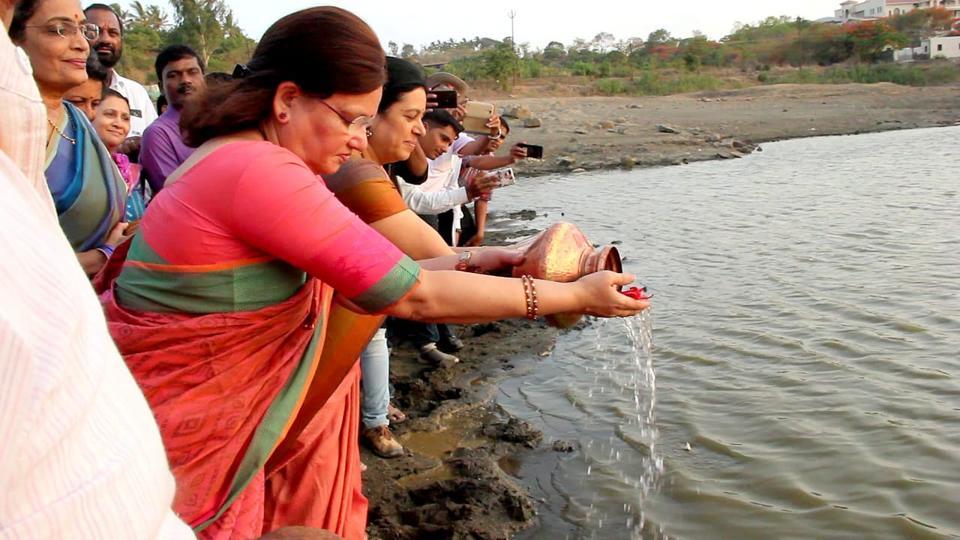
The theme for World Environment Day this year is air pollution and to emphasis on the need to create awareness for this issue was highlighted through the survey. Pune was listed among the most polluted cities in India by a Environment Pollution (Prevention and Control) Authority study in 2002.
Pune is a non-attainment city (cities which are consistently showing poorer air quality than the national ambient air quality standards set by the central pollution control board). However, 50 per cent of the respondents of the survey thought that the city’s air quality met the national ambient air quality standards.
On questions related to the Air Quality Index (AQI) of the city, at least 44 per cent assessed it as ‘moderate’ and at least 50 per cent said that they referred to the digital displays to check the air quality. The city’s AQI on Tuesday was 61 (satisfactory).
Sujit Patwardhan of Parisar, said, “In Pune, we have been demanding strategic changes to reduce vehicular pollution for several years like restricting private vehicles, improving Pune Mahanagar Parivahan Mahamandal Limited (PMPML) services and implementing a parking policy, among others.”
Ministry of environment, forest and climate change’s national clean air programme (NCAP), which promises to change the ground situation on the issue of air quality, and adopt policies and strategies for its improvement, has mandated that 102 non-attainment cities, which includes Pune, must have a clean air action plan by 2019 prepared by the central pollution control board and the ministry.
“We hope that with the government fulfils NCAP’s mission and reduces air pollution by 35% in five years,” added Patwardhan.
According to respondents, participation and suggestions of residents is necessary to make and execute a clean air action plan for the city and at least 60 per cent of them felt that Pune does not have a clean air action plan yet.
Sanskriti Menon of Centre for Environment and Education, stated, “Public understanding about impact on health caused by poor air quality needs to be strengthened. Due to limited awareness, good air quality demand from the society is still weak. It is important to gain more support for this issue.”
The survey also stated that 60% of the respondents were unaware that young children are the most vulnerable to poor air quality.
“The survey was conducted in all age groups where 84% of the respondents agreed that hawkers, traffic constables and autorickshaw drivers were most affected by air pollution. People who needed to commute just once a day (teachers, shop owners, among others) had medium impact, whereas the least impact was felt by those who did not need to commute,” said Patwardhan.
People felt that vehicular emissions was the highest source of air pollution, followed by industrial emissions and burning of biomass and garbage. The suggestions given to improve the air quality included boosting public transport, reducing private vehicles, strict enforcement of existing rules regarding pollution under control (PUC) systems, managing construction dust and industrial emissions, greening of the city and having greater public awareness and engagement.
What is the Environment Pollution Authority
Environment Pollution Authority was set up by the Supreme Court to address air pollution issues in the country. To improve Pune’s air quality, several measures had been adopted like converting autorickshaw fuel consumption to compressed natural gas (CNG); implementing an upgraded pollution under control (PUC) system; compulsory pre-mixing of 2T oil, among others. However, no long-term plan was drawn out to address air pollution more holistically in the city.
Key findings
• At least 50% of the respondents were unaware that Pune is a non-attainment city. Non-attainment cities consistently show poorer air quality than the national ambient air quality standards set by the central pollution control board
• At least 60% of the respondents were unaware that young children are the most vulnerable to poor air quality
• At least 70% of the respondents were unaware that body organs like the brain, liver and kidney are also vulnerable to air pollution
Suggestions
- Public transport improvement
-Strict enforcement of pollution under control (PUC) system
-Reducing private vehicles
-Addressing garbage burning
- Public participation and multi-stakeholder approach recommended by respondents


