
 E-Paper



Chikki manufacturing units in Lonavla under FDA scanner
Famous chikki brand, Maganlal Chikki, was issued a ‘stop production’ notice over non conformity with FDA food production standards

 Prefer HTon Google


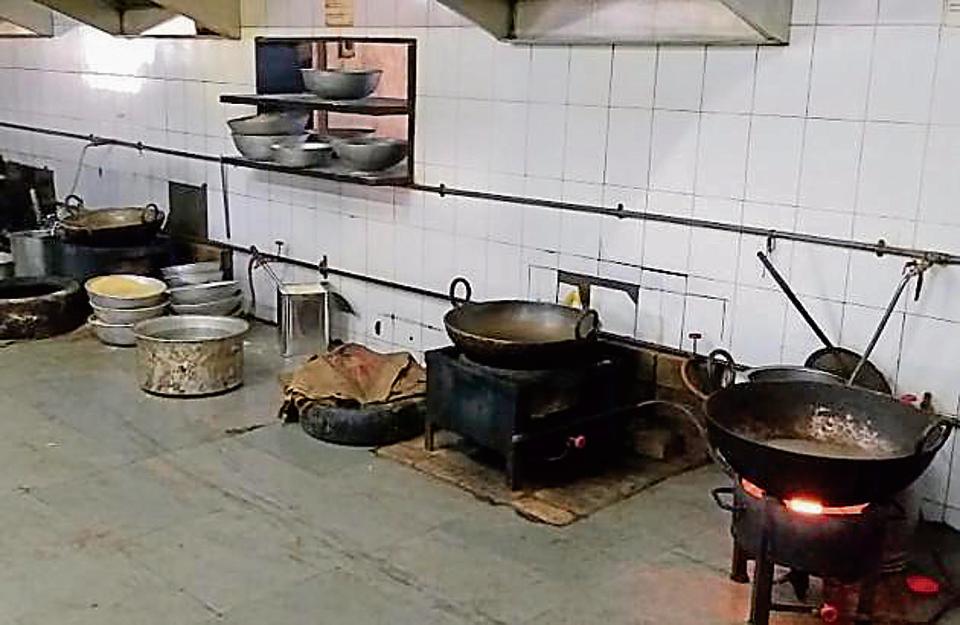
Two days after Lonavla’s famous chikki brand, Maganlal Chikki, was issued a ‘stop production’ notice from the Food and drug administration (FDA) over non conformity with FDA food production standards, the focus now is on the overall chikki business in this hill station.
Chikki, a sugary sweet brittle, laden at the very least with groundnuts and jaggery, is a yearly business worth Rs 450 crore, the majority of which is attributed to 15 chikki manufacturers in Lonavla. A number of franchisees also form a major source of employment in and around Lonavla, 60 km from Pune, with a population of 55,000.
FDA commissioner, Suresh Deshmukh, said,“We are here to ensure healthy food is be supplied to people.It is mandatory for every food producer to follow all food safety related norms. We have planned to conduct more raids in Lonavala.”
According to Deshmukh, most chikki manufacturing in Lonavla is a household business. “Even for those manufacturers, the FDA guidelines are mandatory. We have found that some of these chikki manufacturers are not complying with FDA norms,” he said.
Jivan Parekh,one of the partners at National Chikki, said,“At least 2,000 people are directly employed, as well as 1,000 are indirectly employed in the chikki business. As far as recent FDA action is concerned, we all have taken proper care related to hygiene, so there is no need to worry.”
While most of the chikki produced in Lonavla is consumed in Mumbai and Pune, some of the manufacturers also export their product. Locally, tourists visiting Lonavla must buy chikki.
Besides, Maganlal Chikki, other major players include National, A-One, Raval Chikki and Cooper's Fudge.
Parekh adds, “Fifteen producers in this business produces 10-15 tonnes of chikki products daily. When we speak about daily turnover, it could reach Rs 30 lakh.”
How the business idea bloomed?
It was in the 1880s, that Bhivraj Agarwal, a small-time trader, along with his family first came to Lonavala from Agra in search of work. His son Maganlal, then jobless, began selling ‘gurdani’, a mixture of groundnuts and jaggery, to workers who were then busy laying the Pune-Khandala railway track. Standing alongside railway line, Maganlal saw his business booming especially every monsoon season when workers and their British bosses used to eat gurdani to retain energy in the incessant rain.


