
 E-Paper



Pune’s multi-storeyed cesspools reflect tragedy of slum rehab
The failure of the slum rehabilitation authority (SRA) to plan and provide for the maintenance of these high-rise residential complexes has led to their complete neglect much to the disillusionment of former slum dwellers who were provided with free housing


The picture of the slum rehabilitation authority buildings in Bhawani Peth looks welcoming from the outside as a bakery, a flour grind, a general store and a grocery store line up on one side as auto rickshaws line up across the street from them. However, as soon as one enters the cluster of five nine-storey buildings of Bhawani Peth SRA, a strong stench of sewage mixed with garbage envelops the air.
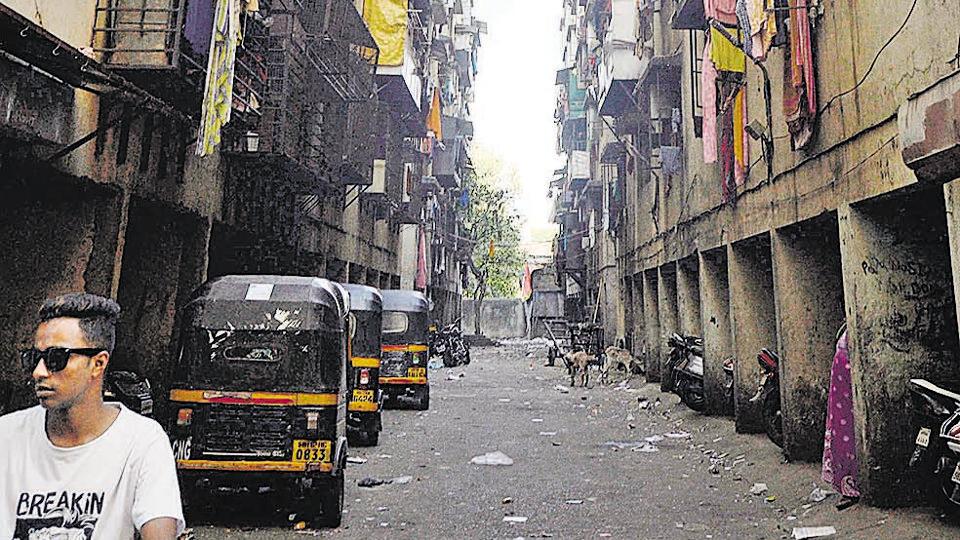
61-year-old Suresh Waghmare, a carpenter, limps the stairs with a walking stick. Having worked as a carpenter for a living, the father of four children slipped and fell while carrying water to his fifth floor house as the lift in his building was not working.
Adding to this issue, from paper and plastic packaging to kitchen waste to everyday garbage, lies mixed with the thick slush of sewage water on the floor of the society. The unseasonal rains has further prevented the drying of the wet garbage.“Our society has become so dirty that the water tank has been turned into a garbage container. There are dead rats around the water tank and residents drink the water from this tank. Neither the PMC nor the builder is doing anything to maintain the building. Even lifts are not working. If someone falls sick and has to be taken to the hospital, the residents make a stretcher out of blankets and bring the patient down.” said Rohit Avchite, a resident.
Swapnil Waghmare, 27, a cable technician living in the next building is part of the association which tried to create awareness on social media about the filth in the building. “The SRA (slum rehabilitation authority) campers come in for a few months, a year or so and leave. They do not bother to keep the place clean. This was and is our home. This is all we have. The builders do not take initiative or responsibility of cleanliness and maintenance,” added Waghmare.
While visitors experience an abuse of all five senses the minute they step inside the complex, for those residing in the area it is a major health hazard.
“A neighbour’s father was having a heart attack and we were unable to rush him to the hospital as the lift has been out of service. Residents fall sick with viral fever constantly.The stagnant water brings mosquitoes and all sorts of diseases and children and pregnant woman live in this,” said Waghmare.
“We were all very happy when we got flats free of cost through the development of the slums. Our neighbours who didn’t get the flats envied us. But now we feel that life in the shanties was better. People living in these SRA buildings are not well-educated and they throw garbage from their homes as no one is paid to collect garbage. Some occupants even spit from the upper floors.” says Sushma Randive, another resident.
Failure to provide for maintenance is biggest flaw of SRA schemes
In 1995, the Maharashtra government introduced the slum rehabilitation authority (SRA) to give better housing to slum dwellers by constructing high rise buildings.
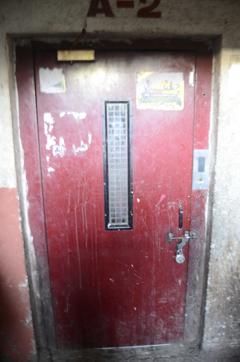
However, the failure of the government and the municipal body to provide for the maintenance of these high-rise residential complexes has taken a heavy toll on the residents. The former slum dwellers living here are unable to afford electricity bills for lifts and common areas and electric water pumps; or to remove the daily garbage and keep the premises clean.
Consequently, the slum dwellers say that they were better off in their slums instead of these flats. This is the reality of all the 47 SRA schemes in the city.This has exposed the failure of the state government and policy makers in the planning of maintenance of these projects.
Siddharth Dhende, republican party of India (RPI) leader and deputy mayor of Pune municipal corporation (PMC) admitted that there were many problems with the SRA scheme, the biggest being insufficient funds for the building maintenance of the SRA development schemes. “The people living in these buildings have come from slums. They barely have enough to manage their daily needs. How can we expect them to pay for other facilities?” he asked.


