
 E-Paper



Warje urban forest to be role model for 200 such forests across country: Javadekar
The urban forests will be developed under the ‘Nagar Van’ scheme with people’s participation and collaboration between the forest department, municipal bodies, NGOs, corporates and local residents

 Prefer HTon Google


Pune’s Warje urban forest christened as ‘Smruti Van’ (memorial park) has been declared as the role model for the development of 200 urban forests across the country in the next five years, according to officials of the forest department.
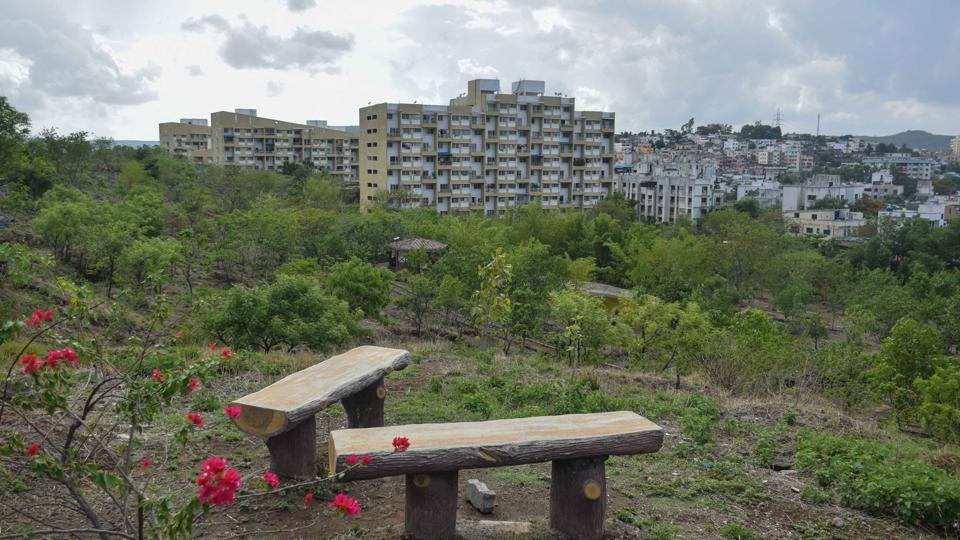
The urban forests will be developed under the ‘Nagar Van’ scheme with people’s participation and collaboration between the forest department, municipal bodies, NGOs, corporates and local residents.
This was announced by Union environment, forest and climate change minister Prakash Javadekar on the occasion of World Environment Day on Friday in New Delhi. The environment ministry announced the scheme in 2016, but officials said it couldn’t be implemented on a large scale so far.
Javadekar also released a brochure on the best practices on urban forests. He said the forests will work as lungs of the cities and will primarily be on the forest land in the city or any other vacant land offered by local urban local bodies.
Spread over 25 hectares of urban wasteland in Warje, this forest is home to several species of flora and fauna and frequented by over 1,500 nature lovers on daily basis.
TERRE Policy Centre, an NGO, had been instrumental in developing urban forestry at Warje as a flagship project since 2015. It is the first-ever urban forestry project in Maharashtra, undertaken in collaboration with Tata Motors and Persistent Foundation as Corporate Social Responsibility (CSR) partners, according to the Terre website.
TERRE has planted around 9,500 plants with a height of 6-8 feet which have now grown taller.
During the past few years, the dense forestry has grown widely and has enriched the biodiversity of the area. The plantation includes around 23 indigenous plant species namely banyan, peepal, sonchafa, apta, neem, kanchan, goden bamboos, Badam, Kaat, amla and umbar, among others. Visitors have found around 29 local bird species, 15 butterfly species, 10 reptile species and 3 mammal species.
Inside the forest, there is a provision of two huge water resources which are filled during rainy days and later the water is used for plants.


