A Canadian court issued summons against Prime Minister Narendra Modi over a lawsuit in connection with alleged human rights violations during the 2002 Gujarat riots, but the order was blocked by the Canadian attorney general, a Sikh rights group said on Thursday.
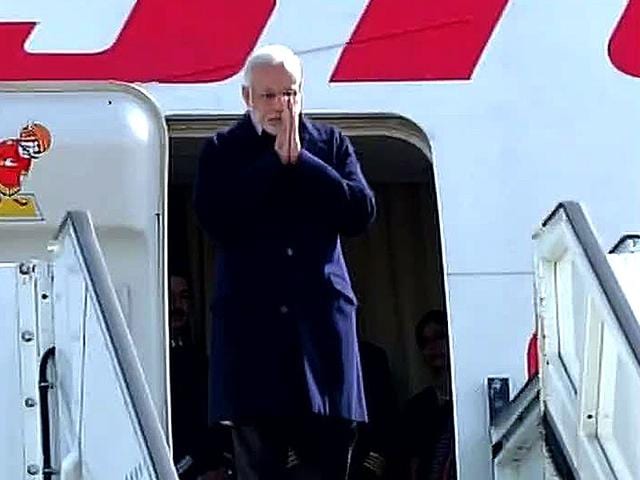
The summons were issued after the rights group, Sikhs For Justice (SFJ) filed a lawsuit in the Canadian court, seeking prosecution of the Indian leader on the charges of alleged torture and human rights violations during the 2002 riots, when Modi was the Gujarat chief minister.
Representing the SFJ, Toronto-based human rights lawyer Marlys Edwardh and her associate Louis Century called on justice minister and attorney general Peter MacKay to charge Modi in the case, but the summons were immediately blocked by MacKay.
The hearing was held in the Ontario court of justice, coinciding with Modi’s visit to the country.
The SFJ said the Canadian Criminal Code allowed for the prosecution of public officials who committed acts of torture abroad if they were later present in Canada.
After a seven-hour hearing, the justice of the peace had decided that there was a prima facie case against Modi, but the blocking of the summons ensured that the prosecution against him would not go ahead.
{{/usCountry}}After a seven-hour hearing, the justice of the peace had decided that there was a prima facie case against Modi, but the blocking of the summons ensured that the prosecution against him would not go ahead.
{{/usCountry}}SFJ legal adviser Gurpatwant Singh Pannun said Modi “escaped trial” on the charges of torture under Canadian law only because of the attorney general’s last-minute intervention.
Rights group American Justice Centre president Joseph Whittington said the summons issued by the Ontario court of justice, although blocked by the attorney general, were a “recognition of the voluminous evidence available to initiate prosecution” of Modi.
“Had the summons been allowed to be served, we strongly believe the case would have ultimately served justice to those who have been denied justice since the pogroms of 2002,” Whittington added.