The Punjab and Haryana high court on Wednesday directed the Chandigarh administration and governments of Punjab and Haryana to frame a policy for treatment and compensation to victims of dog bite cases.
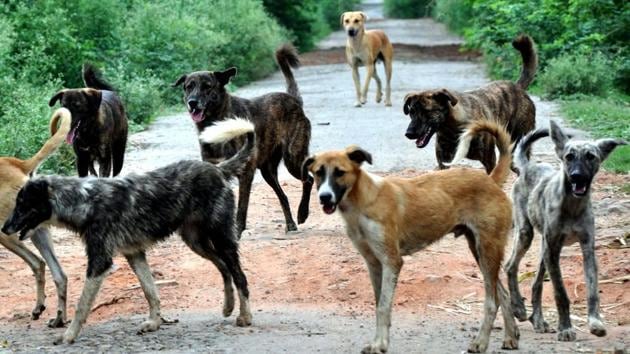
The direction was issued by the high court bench of justice RK Jain during a resumed hearing of a petition in which one Ram Kumar, a poor sheller employee of Samana, had sought compensation of ₹10 lakh from Punjab. His 12-year-old son Ankit, a student of Class 5, had died on March 5 due to dog bite.
He was taken to the civil hospital for the fifth anti-rabies injection when he became unconscious and died, the petition said.
Ram had blamed the Samana municipal council for his son’s death. He argued that Punjab is also vicariously liable for the death of his son.
During the hearing, it came to light that none of the governments and UT had policies in place for compensating the victims in case of dog-bite case. The court observed that when there was a policy in place for awarding compensation to acid attack victims, why can’t there be a policy on compensating the victims of dog bite cases. The court further observed that the menace had reached an alarming stage and needed immediate attention.
The court took serious note of the case and put both the states and UT on notice besides the director, local bodies, and Chandigarh municipal corporation. During the hearing, Punjab advocate general Atul Nanda and senior standing counsel, UT, Suvir Sehgal were present as directed by the court. However, Haryana advocate general BR Mahajan could not attend the hearing.
{{/usCountry}}The court took serious note of the case and put both the states and UT on notice besides the director, local bodies, and Chandigarh municipal corporation. During the hearing, Punjab advocate general Atul Nanda and senior standing counsel, UT, Suvir Sehgal were present as directed by the court. However, Haryana advocate general BR Mahajan could not attend the hearing.
{{/usCountry}}On the last date of hearing, the court had referred to Section 109 of the Punjab Municipal Act, 1911. It provides for destroying or confining any dog or other animal suffering, or suspected to be suffering from rabies. The Act also provides for confining any dog found wandering on streets or public places without collars or other marks distinguishing them as private property. The matter would now be taken up for hearing in August.