E-Paper



Bengaluru Metro expansion: How will it impact property prices and rental values?
Bengaluru real estate: Namma Metro expansion is expected to influence property prices and rental rates, creating new investment opportunities in the outskirts

 Prefer HTon Google


The ongoing expansion of Bengaluru’s Namma Metro is poised to reshape the city’s real estate landscape. As new metro lines extend into previously less connected areas, property prices are expected to rise, opening up fresh opportunities for development in the city’s outskirts. Improved public transport is likely to attract more residents to these areas, potentially driving up rental rates as well, say experts.
This shift could also help ease the burden on the congested city centre, promoting more balanced growth across Bengaluru.
Bengaluru's operational metro line
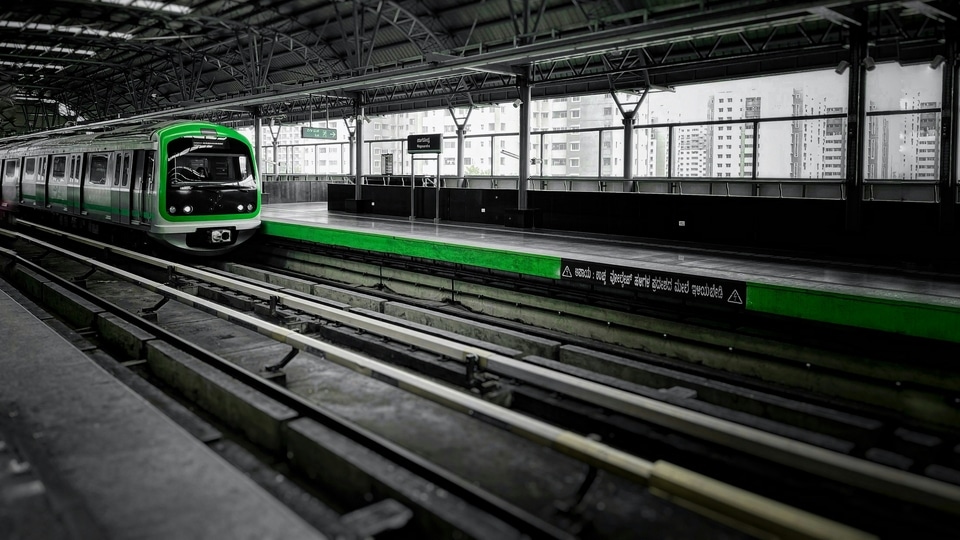
Bengaluru's purple metro line extends from Challaghatta in the southwest to Whitefield (Kadugodi) in the east. It covers 37 stations spread over 43 km. The green line spans from Nagasandra in the northwest to Silk Institute in the south and comprises 30 stations over 30.5 km.
Upcoming Namma Metro Phase 3
In December 2024, the Karnataka cabinet approved Phase 3A of the project—also known as the Red Line. This 36.59-kilometre corridor will connect key IT hubs, linking Sarjapur in the southeast with Hebbal in the north, significantly improving connectivity across Bengaluru.
The new line will include 28 stations, with five major interchange points at Iblur, Agara, Dairy Circle, KR Circle, and Hebbal. These hubs are expected to ease congestion at several choke points in central Bengaluru.
According to real estate experts, the impact of metro connectivity will be felt well beyond the areas along the line.
Manoj Agarwal, director of sales and leasing at Agarwal Estates, noted that while Sarjapur’s property market has grown steadily since the pandemic, the area still lacks direct metro access.
“This line will have a major impact on real estate in and around Sarjapur. As it connects key locations like Koramangala and central Bengaluru, we may see some tech professionals move away from Sarjapur Road, where prices are already high. At the same time, improved infrastructure could attract more people to southeastern Bengaluru,” he said.
The Red Line is also expected to drive up rental prices, particularly in the city’s northern regions.
Manjesh S Rao, chief real estate officer at BrokerInBlue, said that rental rates in north Bengaluru could see a 20–30% rise. “We’re already projecting a 28% increase in rental returns for investors in the north over the next 12 to 24 months. The metro will only enhance this opportunity. Plus, since the route runs along the Ring Road, it will help reduce traffic congestion in several areas,” he said.
Generally, over the next 3-4 years, real estate rentals in southeast Bengaluru will rise by at least 10-20%. "However, now that the metro is being announced within the next five years, we may as well see an additional appreciation of 10%," Agarwal said.
Today, apartments in areas like Varthur in the southeast are priced between ₹80 lakh and ₹1 crore.
In parts of South Bengaluru, 2BHK rentals range from ₹30,000 to ₹35,000 per month, while in Sarjapur, located in the south-east, rents can go as high as ₹40,000.
Metro extension to Devanahalli: A boost for North Bengaluru
In a major move to strengthen last-mile connectivity, Chief Minister Siddaramaiah proposed an extension of the Namma Metro to Devanahalli in the 2025 Karnataka Budget. This long-awaited extension will improve access to north Bengaluru and the Kempegowda International Airport while unlocking new real estate potential in the region.
Experts highlight Devanahalli, Bagalur (near the airport), and Nelamangala in the northwest as emerging hotspots for rental and property value appreciation. Their proximity to the airport and the northern IT corridor makes them increasingly attractive to homebuyers and investors.
“Currently, affordable 2 BHK apartments in north Bengaluru are priced around ₹60 lakh, while premium units go for ₹1.5 crore or more. The upcoming metro extension is likely to push demand even further,” said Kiran Kumar of Hanu Reddy Realty.
Land prices in these areas currently range between ₹6,000 and ₹8,000 per square foot, while apartment prices vary from ₹10,850 to ₹17,870 per square foot, depending on location and property type, he said.