
 E-Paper



‘This is football, not PlayStation’: UEFA launches major VAR overhaul designed to stop endless replays
UEFA has launched Clear Line, a library of 150 VAR cases aimed at ending microscopic reviews, reducing delays and returning control to on-field referees.

 Prefer HTon Google


UEFA has launched a new public platform designed to clarify when the video assistant referee should intervene, as European football moves towards fewer reviews and greater authority for on-field officials from the 2026-27 season.
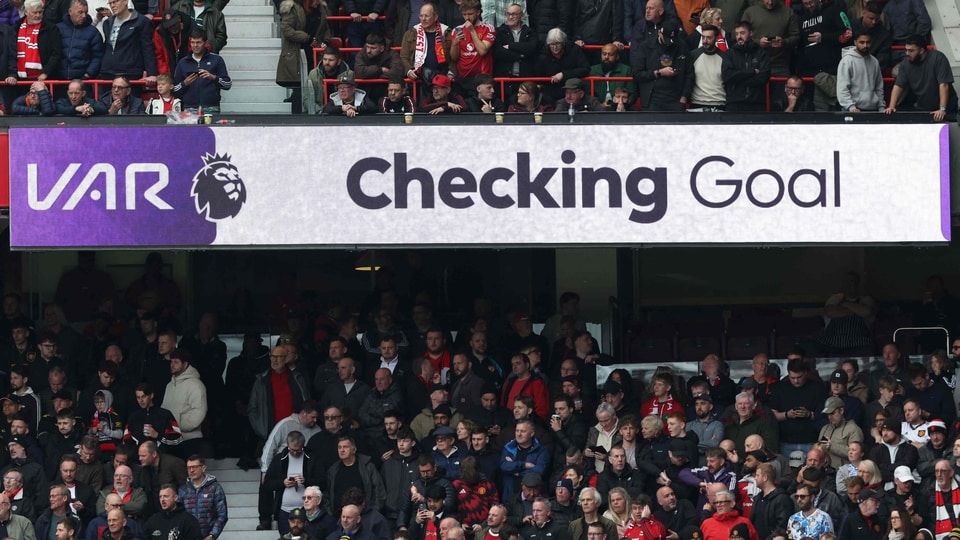
Called Clear Line, the platform contains around 150 video examples from real matches. Each incident is accompanied by an explanation of the principles used by referees and VARs while assessing match-changing decisions. The library covers the principal areas in which VAR is permitted to intervene: goals and attacking-phase offences, penalties, straight red cards, factual decisions and mistaken identity. UEFA’s objective is to establish a clearer distinction between an unmistakable error that must be corrected and a subjective decision that should remain with the referee on the pitch.
Roberto Rosetti, UEFA’s managing director of refereeing, acknowledged the growing frustration surrounding video technology while outlining the project in an interview with BBC Sport. “We realise that everywhere now there is not any satisfaction about how VAR is impacting football,” Rosetti said. “So we want to avoid microscopic situations. The context is super important. It’s football, not PlayStation. We need to be very, very careful.”
UEFA wants referees back at the centre
VAR was introduced to correct major mistakes and serious incidents missed by match officials. However, UEFA believes its use has gradually expanded into the examination of marginal contact, isolated freeze-frames and incidents that appear markedly different when replayed in extreme slow motion. The governing body’s official position is that VAR should correct “clear and obvious errors or serious missed incidents in match-changing situations”.
Rosetti said the intention was to return video technology to that original purpose, with officials encouraged to make authoritative decisions on the field and VAR restricted to situations supported by clear evidence. “The referee must referee the match,” he said, adding that some recent on-field reviews had been “not connected with football”.
UEFA is particularly concerned about lengthy checks involving repeated slow-motion replays. Rosetti believes that a review extending beyond 90 seconds risks “losing credibility” with supporters and disrupting the rhythm of the match. A collective review procedure has consequently been agreed. When assessing a challenge at the pitchside monitor, referees will first be shown a freeze-frame identifying the point of contact, followed by footage at half speed and then normal speed. The final replay is intended to help the official judge the intensity and context of the challenge rather than reaching a decision from a potentially misleading still image.
Clear Line will also attempt to reduce differences in interpretation between European competitions and domestic leagues. Handball remains a particular problem, with the same type of incident frequently producing different outcomes across England, Spain, Italy, Germany, France and UEFA tournaments. “The idea is to be more consistent in the application of the laws,” Rosetti said, although he accepted that football would never achieve complete uniformity in subjective decisions.
Also Read: New-look Aston Villa midfield will look to trouble rusty PSG in UEFA Super Cup
The project is not intended exclusively as an educational tool for match officials. Players, coaches, clubs, journalists and supporters will be able to consult the library and compare a disputed incident with UEFA’s approved examples. Rosetti described Clear Line as a library explaining when and how VAR should intervene, with the wider aim of making refereeing decisions easier for the football community to understand.
The approach will apply across UEFA’s competitions, including the Champions League, Europa League and Conference League. It does not represent a change to football’s laws, but signals a significant shift in how UEFA wants those laws and the existing VAR protocol applied: fewer microscopic examinations, shorter interruptions and greater protection for the original decision made on the pitch


