
 E-Paper



Facebook and Instagram reels get AI voice translation and AI lip-sync features: Here’s how it works
Meta has introduced AI voice translation for Reels on Facebook and Instagram to help creators dub content in multiple languages.

 Prefer HTon Google


Meta has taken another step to make online conversations more inclusive by rolling out AI-powered voice translation for Reels on Facebook and Instagram. The new feature, now available worldwide, allows creators to share their content in multiple languages without recording separate versions.
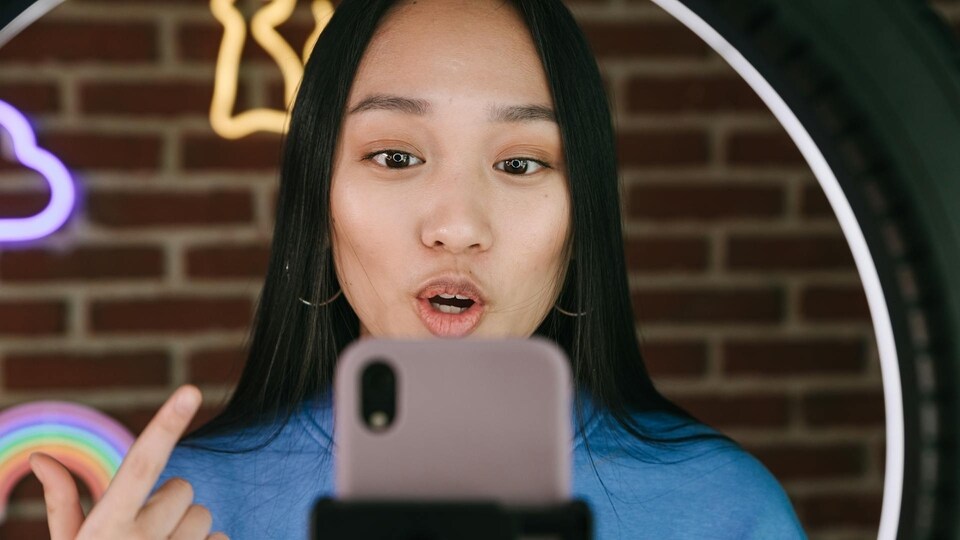

The tool, called Meta AI Translations, is free to use and currently supports English-to-Spanish and Spanish-to-English translations, with more language options expected in the near future. By enabling this feature, creators can automatically dub and lip-sync their Reels in another language, which will help them reach a wider audience.
How It Works
To activate the tool, creators need to click on the option “Translate your voice with Meta AI.” Once enabled, they can toggle settings for translations and lip-syncing before sharing their content. Creators also have the option to review translations before publishing. Notifications appear once a translation is ready, or creators can check the Professional Dashboard to finalise changes.
Also read: How to quietly limit someone on Instagram without blocking, unfollowing, or causing drama
Viewers will experience translated Reels in their preferred language, but they also have the option to switch off translations for specific languages through the settings menu. For Facebook Pages, Meta is also introducing flexibility by allowing creators to upload up to 20 dubbed audio tracks for a single Reel, to help expand audience reach further.
This development signals Meta’s intent to simplify global communication for digital creators and strengthen connections with diverse audiences across different regions.
Also read: Apple Store No. 3 in Bengaluru is here! Say Hello to Apple Hebbal
Rising Concerns About Short-Form Content
While Meta is enhancing user experiences with new tools and updates, researchers are urging caution regarding the increasing influence of short-form videos on human behaviour. Recent studies suggest that platforms such as Instagram, TikTok, and YouTube Shorts stimulate the brain’s reward pathways in ways similar to addictive substances like alcohol.
Also read: iPhone 17 Pro launch: Price in India, specifications, features, and everything we know so far
A study published in NeuroImage, led by Professor Qiang Wang of Tianjin Normal University, highlighted that frequent short-video users show heightened activity in brain regions associated with addiction. Findings revealed that excessive viewing could harm attention spans, memory, and motivation while increasing risks of depression and sleep disturbances.
In China, for example, users spend an average of 151 minutes daily on short videos, with nearly 96 percent of internet users engaged in the format. Researchers describe this pattern as a public health challenge due to its long-term effects on mental well-being.


