Rbioko 2.6L Cool Mist Humidifiers for Bedroom Whisper Quiet, Ultrasonic Humidifiers for Baby & Nursery, Humidifier for Home Whole House, Easy to Clean, Plant Humidifier with 360° nozzle, Auto Shut-offView Details
Neha Khandelwal
Content Lead, HT Travel | Travel & Lifestyle Journalist
With over 10 years of content writing experience, Neha Khandelwal is a lifestyle journalist and the Content Lead at HT Travel. She specialises in destinations, hotels, aviation, luggage, travel gear, and practical guides that help readers plan smarter and travel better. Her work combines first-hand experience, expert insights, and extensive research to create stories that are informative, useful, and easy to follow.
Career Journey & Experience
Neha began her writing career as a freelance journalist in 2010 before entering mainstream media with The Times of India in 2022. She later joined Hindustan Times, where she has written extensively across travel, lifestyle, home, and consumer trends. Her professional background extends beyond journalism. Before moving into digital media full-time, she spent nearly a decade in interior design, managing residential projects from concept to execution. She also trained in visual merchandising with Shoppers Stop and Pantaloons and worked with women-led startups across design and operations. These experiences continue to shape her storytelling, especially in how she evaluates hotels, design-led stays, hospitality spaces, and travel experiences.
A naturally curious learner, Neha has completed beginner certifications in pottery, scuba diving, baking, creative writing, and other creative pursuits. She has read more than 2,000 books, trained in Bharatanatyam for 8 years, and ghostwritten a book on Ladakh tourism.
Subject Expertise
Travel is at the heart of Neha's work. She covers destinations, hotels, airlines, luggage, packing strategies, travel accessories, and emerging travel trends through a mix of reporting, product testing, and conversations with industry experts. A frequent traveller herself, she approaches every trip with a journalist's curiosity and a planner's mindset, focusing on experiences that readers can realistically recreate. From choosing the right cabin bag to decoding hotel openings and destination trends, her writing prioritises practical advice over promotional claims.
Her background in interior design also gives her a distinct perspective on architecture, hospitality design, boutique hotels, luxury stays, and thoughtfully designed spaces.
Education & Professional Background
Neha holds a Master's degree in Interior Design. Her early experience in interior design, visual merchandising, and design operations gives her a unique understanding of aesthetics, functionality, and user experience, adding depth to her coverage of hotels, resorts, and travel spaces.
Editorial Philosophy
"As an avid, research-driven traveller, my goal is simple. To answer the questions you actually have before booking a trip. I cut through the promotional noise with honest reporting and expert insights. Making travel planning seamless, smart, and reliable so you always know where to go next."
Read moreRead less
How do room heaters affect your overall health?
Room heaters have become a necessity in colder climates, offering a quick and easy solution to the chill of winter. As temperatures drop, people rely more on these devices to create a warm and comfortable living space. However, with the increasing use of heaters, concerns are rising about their potential long-term effects on health and the environment. Continuous exposure to artificial heat can lead to issues like dry skin, respiratory problems, and increased energy consumption, contributing to environmental concerns.
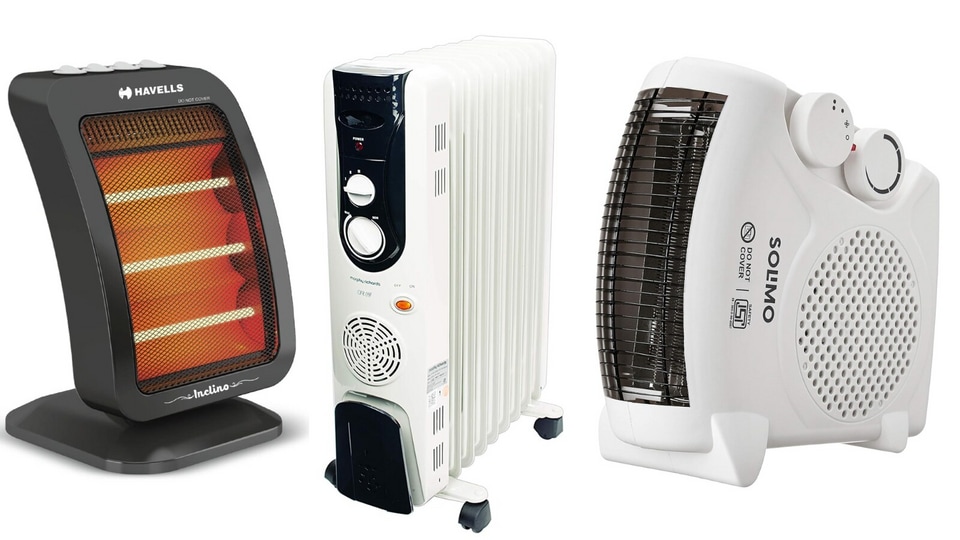
There are different types of room heaters available in the market, each with its own advantages and disadvantages. Common types include halogen heaters, filament heaters, blower heaters, and oil-filled radiators (OFR). Each type serves a different purpose and comes with specific benefits and risks that need to be carefully considered.
The science behind heat and skin
Excessive exposure to artificial heat can lead to dry skin, causing problems like itchiness, redness, and even premature ageing. The heat from room heaters can strip the skin of its natural moisture, leaving it feeling tight and uncomfortable. This is especially problematic in winter when the skin is already vulnerable to dryness due to cold weather.
Humidity plays a vital role in maintaining healthy skin. When the air becomes too dry, it can worsen skin conditions like eczema and psoriasis. Unfortunately, many room heaters tend to lower indoor humidity levels, further drying out the skin. In extreme cases, long-term exposure to heat can even lead to heat-related skin conditions such as heat rash, where the skin becomes irritated and inflamed.
Can dry out the air, potentially harmful to the eyes if stared at directly.
Small rooms, quick bursts of heat.
Can be dangerous for those with sensitive skin or respiratory issues.
Filament Heaters
Affordable, traditional design.
Can be a fire hazard, and dries out the air.
Small to medium-sized rooms.
Dangerous for children and pets due to burn risk.
Blower Heaters
Quick heating can circulate warm air.
Can be noisy, and can dry out the air.
Large rooms.
Can irritate respiratory issues, especially for those with allergies or asthma.
Oil-Filled Radiators (OFR)
Even heat distribution, quiet operation.
Slow to heat up, bulky.
Any room size, especially poorly insulated rooms.
Tripping hazards, especially for the elderly.
Top picks of halogen heaters for your home:
Loading Suggestions...
Loading Suggestions...
Loading Suggestions...
Loading Suggestions...
Health considerations and best practices
Skin Health:
Use a humidifier to maintain healthy humidity levels in the room.
Apply moisturiser regularly, especially after exposure to heaters.
Choose a gentle, fragrance-free moisturiser to avoid irritation.
Respiratory Health:
Keep your heater clean to minimise dust and allergens in the air.
Ventilate the room regularly to avoid stale air buildup.
If respiratory issues arise, consult a healthcare professional.
Fire Safety:
Never leave a heater unattended, particularly filament heaters.
Keep heaters away from any flammable materials like curtains or paper.
Regularly inspect your heaters for any damage or wear to avoid potential hazards.
Top picks of oil-filled radiator heaters for your home:
Loading Suggestions...
Loading Suggestions...
Loading Suggestions...
Loading Suggestions...
What are the long-term health effects of room heater usage?
Respiratory issues:
Dry air from room heaters can irritate the airways, worsening conditions like asthma and allergies. It can lead to dry throats, congestion, and increased breathing difficulties. People with respiratory conditions may experience more frequent symptoms, making it harder to breathe and causing discomfort.
Sleep quality:
Excessive heat and dry air can disrupt sleep by making it difficult to regulate body temperature. This leads to discomfort, throat irritation, and nasal congestion, resulting in poor sleep quality. Consistently poor sleep affects overall health, causing fatigue, reduced focus, and weakened immune function.
Mental health:
Poor indoor air quality, often caused by heaters, can affect mental health. Dry air and discomfort can lead to fatigue, irritability, and difficulty concentrating. Over time, these issues may contribute to stress, lower mood, and mental fog, impacting overall well-being and focus on daily tasks.
Top picks of blower heaters for your home:
Loading Suggestions...
Loading Suggestions...
Loading Suggestions...
Loading Suggestions...
Room heaters are a convenient way to stay warm during the cold months, but they come with certain risks to both skin and respiratory health. It's important to use them responsibly and take preventive measures to protect your well-being. Consider alternative methods of heating, such as energy-efficient systems or layering clothing, to reduce reliance on artificial heat. A balanced approach to heater use is essential for maintaining both comfort and health throughout the winter.
What happens to your body with constant exposure to room heaters? FAQs
Heaters dry out the skin, leading to irritation, dryness, and conditions like eczema. Regular moisturising and hydration can help prevent these effects.
Yes, dry air from heaters can irritate the respiratory system, worsening asthma and allergies. Using a humidifier helps maintain moisture and reduce symptoms.
Heaters dry out the air, causing discomfort like dry throats and nasal congestion, which can disrupt sleep. A comfortable temperature and humidifier can help.
Dry air and discomfort from heaters can lead to fatigue, irritability, and difficulty concentrating. Proper ventilation and a humidifier can improve air quality and mood.
Disclaimer: At Hindustan Times, we help you stay up-to-date with the latest trends and products. Hindustan Times has an affiliate partnership, so we may get a part of the revenue when you make a purchase. We shall not be liable for any claim under applicable laws, including but not limited to the Consumer Protection Act, 2019, concerning the products. The products listed in this article are in no particular order of priority.

 E-Paper