E-Paper



Wondering if your water heaters are environmentally friendly? Here's what you need to know
Are water heaters eco-friendly? If a hot shower is what you love, know which water heater option are environmentally friendly.

 Prefer HTon Google


Our Picks
FAQs
Our Picks
| Product | Rating | Price |
|---|---|---|
Bajaj Flashy 3kW Tankless Instant Water Heater, WhiteView Details  | ₹4,455 | |
 | ||
EcoSmart ECO 8 Tankless Water Heater, Electric, 8-kW - Quantity 1, 12 x 8 x 4View Details | ₹40,284 | |
| ||
Drumstone (𝗕𝘂𝘆 𝟭 𝗚𝗲𝘁 𝟭) Instant Electric Tankless Water Heater Tap with Shower Head – Compact, Fast Heating, Adjustable Temperature, Multi-Safety Features-𝟭𝟱 𝗬𝗲𝗮𝗿𝘀 𝗪𝗮𝗿𝗿𝗮𝗻𝘁𝘆View Details | ₹4,089 | |
| ||
Tankless Water Heater Electric 240V, On Demand Instant Hot Water Heater Digital Display 5.5kW,Overheating Protection, BlackView Details | ₹25,246.57 | |
| ||
Tankless Water Heater, Camplux 1.58GPM Outdoor Propane Gas Water Heater with Portable Handle, White, 6LView Details | ₹49,959.53 | |
| ||

Research-Backed Choices
Every product we recommend is chosen through a combination of Primary Research and Secondary Research.
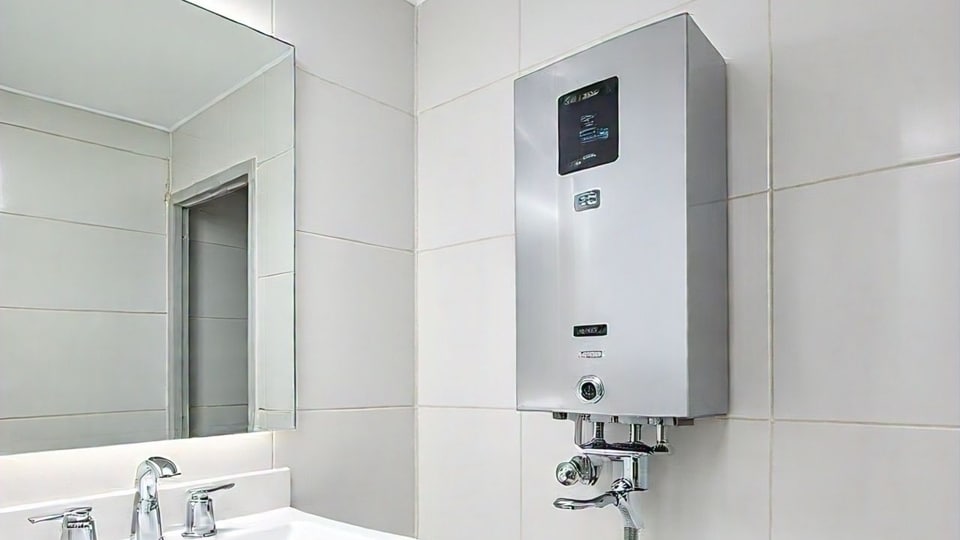

We all love to take a hot water shower in the chilling winter months, don’t we? Apart from giving us a rejuvenating, spa-like experience, a hot water bath refreshes both, our body and mind. Despite numerous benefits that a hot water bath gives us, have you ever wondered if these water heaters that we just plug in for our spa like feeling, are even environmentally friendly? Have you ever given a thought if these are making any impact to the environment? Well, of course, most of us do go by those 5-stars printed on the geyser’s body that claim to be the most energy efficient. But is that all we need to know about energy saving and efficiency? If you thought that just by looking at those 5-star ratings, you are reducing your carbon footprint, you need to rethink.
Whether it is an instant water heater, a storage heater or any other type of heater, our detailed guide will help you know if that water heater you’re using is environmentally friendly.
Energy efficient water heaters: What exactly are they?
Looking for the energy efficiency ratings is what has been taught to us since our childhood if we ever have to shop electronic appliances. So, the number of stars printed on any water heater model are directly proportional to energy saving. To put it simply: the more the stars; the more energy saving your appliance is! Energy-efficient water heaters cut down on energy consumption while still producing the same amount of results. Hence, unlike traditional water heaters that may waste energy through inefficient heating methods or heat loss, the energy saving models utilise advanced technology to save on your power bills.
Types of energy efficient water heaters
Tankless Water Heaters:
By far, the tankless water heaters are the most energy-efficient water heaters available in the market today. Also called on-demand water heaters, tankless water heaters provide hot water instantly without the need for a storage tank. These systems heat water as it flows through the unit, saving energy by avoiding standby heat loss. Compact and space-saving, they’re perfect for homes with limited space or for providing continuous hot water during peak usage. Are you considering a model for energy efficiency or to save space? Explore options based on flow rates and installation requirements.
Also Read: Best water heater rod for comfortable bathing this winter; top 8 picks for you
Heat Pump Water Heaters:
Heat pump water heaters, also known as hybrid water heaters, use electricity to move heat from the air or ground to warm water, making them highly energy-efficient. They work best in warm climates or spaces with ample heat. While the initial investment is higher, the energy savings can significantly reduce utility bills over time. Have you thought about whether your home’s temperature and space can support this eco-friendly option?
Also Read: Best water heaters for warm, cosy water to beat the winter chill: Top 10 picks
Solar Water Heaters:
Solar water heaters utilise sunlight to heat water, providing a sustainable and cost-effective alternative to traditional water heating. These systems typically use solar collectors installed on rooftops and a storage tank to retain the heated water. They reduce dependency on fossil fuels, though they may require a backup system for cloudy days. Interested in slashing energy costs and contributing to a greener future? Assess your location's solar potential to maximise benefits.
Also Read: Best 5 star geysers for home: Choose from top 10 instant water heaters of different capacities
Condensing Water Heaters:
Condensing water heaters recover heat from exhaust gases to maximise efficiency, making them ideal for high-demand households. These systems operate with a secondary heat exchanger, using latent heat to preheat water before the main burner takes over. While they’re energy-efficient, proper venting and maintenance are critical for long-term performance. Are you seeking high performance with low energy costs? Ensure your home can accommodate the necessary venting and installation requirements.
Check out some conventional water heaters:
Key features to look for in energy efficiency water heaters
When selecting an energy-efficient water heater, consider the following key features to ensure you maximise efficiency and reduce energy costs:
Energy Factor (EF) or Uniform Energy Factor (UEF): EF/UEF Ratings indicate the water heater's efficiency in converting energy to heat and minimizing standby losses. UEFs typically vary from 0.65 to 0.95 or higher for highly efficient models. Look for a higher UEF, which means better energy efficiency.
Tank type and insulation: Seek models with high-quality insulation (e.g., foam or fiberglass) to reduce heat loss. Look for Insulation R-value; higher values indicate better performance.
Tankless (On-Demand) Water Heaters: Heat water only as needed, reducing standby heat loss. Ideal for long-term efficiency but may have a higher upfront cost.
Heat Pump Technology (Hybrid Water Heaters): Heat pump water heaters transfer heat from the air into the water, using up to 60% less energy than standard electric models. These are good for areas with moderate temperatures year-round.
Fuel type and energy source:
- Electric: More efficient when paired with renewable energy (solar panels).
- Natural Gas/Propane: Generally more cost-effective than electric in some regions, but may have slightly higher emissions.
- Solar Water Heaters: Use renewable energy to minimise operating costs but require higher upfront investment.
Smart Controls and monitoring:
- Some models offer smart thermostats and Wi-Fi compatibility, allowing for:
- Remote adjustments to temperature settings.
- Monitoring usage and energy savings.
- Integration with home energy systems for further efficiency.
Energy star certification:
- Look for the Energy Star label, which signifies that the unit meets strict energy efficiency guidelines set by the EPA.
Benefits of energy efficient water heaters
We all know that energy efficient water heaters are environmentally friendly. But the benefits of using environmentally friendly water heaters are more than that. Let's have a look:
| Benefits | Description |
| Energy Savings | Reduce energy consumption by up to 50% compared to conventional models, lowering utility bills. |
| Cost Efficiency | Lower operating costs over the lifespan of the unit, even if the initial cost is higher. |
| Environmentally Friendly | Decreases carbon footprint by reducing greenhouse gas emissions and reliance on fossil fuels. |
| Longer Lifespan | Advanced technology and improved materials often result in greater durability and extended service life. |
| Consistent Hot Water Supply | Many models, such as tankless water heaters, provide an uninterrupted supply of hot water, meeting household needs more efficiently. |
| Space Saving | Compact designs, especially for tankless models, save physical space in homes or buildings. |
| Rebates and Incentives | Qualifies for tax credits, rebates, or incentives from local governments or utility companies, offsetting upfront costs. |
| Improved Performance | Advanced technology ensures better temperature control, faster heating times, and overall improved efficiency. |
| Reduced Maintenance Costs | High-quality components in energy-efficient models often lead to lower maintenance needs and fewer repairs. |
| Safety Enhancements | Modern features like sealed combustion and advanced thermostatic controls reduce risks such as overheating, scalding, and gas leaks. |
How to maintain your water heaters that they stay energy efficient
Maintaining your water heater properly is key to ensuring energy efficiency and extending its lifespan. Here are some tips to keep your water heater running efficiently:
Invest in a tankless water heater:
The first and foremost step towards an economical and eco-friendly water heater is to buy a tankless water heater. Tankless water heaters can give you instant hot water along with substantial energy savings of up to 40%.
Flush the tank annually
Sediment build-up can reduce efficiency and damage the tank. So, it is advisable to drain a few gallons of water from the tank annually to remove sediment. Use the drain valve at the bottom of the tank for this.
Check the Anode Rod
Anode rod prevents tank corrosion by attracting corrosive elements. Inspect it every 2–3 years and replace it when it’s heavily corroded (less than ½ inch thick or coated with calcium).
Inspect the pressure relief valve
Test this valve by lifting the lever to ensure it releases water properly. If it doesn’t, replace it.
Clean the heating elements (for electric models)
Mineral deposits can accumulate on the heating elements. And hence removing and cleaning them improves efficiency.
Lower the thermostat
It is always advisable to lower the water heater's thermostat levels. Set your water heater thermostat to 49 °C (120 °F) to save energy and reduce the risk of scalding.
Install a timer
For electric models, a timer ensures the heater runs only when needed, especially during off-peak hours.
Insulate the tank
Install an insulating blanket around the tank, especially if it's located in an unheated area. Ensure the blanket doesn’t block air vents, thermostats, or the top of the gas heater.
Similar articles for you
Best 5 star geysers for home: Choose from top 10 instant water heaters of different capacities
Best water heater geyser in India: Top 10 picks for a warm bath this season
Best water heaters for warm, cosy water to beat the winter chill: Top 10 picks
Disclaimer: At Hindustan Times, we help you stay up-to-date with the latest trends and products. Hindustan Times has an affiliate partnership, so we may get a part of the revenue when you make a purchase. We shall not be liable for any claim under applicable laws, including but not limited to the Consumer Protection Act, 2019, with respect to the products. The products listed in this article are in no particular order of priority.