
 E-Paper



Nepal protest: GenZ used this ‘secret chat app’ after govt banned social media
A phone app for offline texting became key as thousands in Nepal faced social bans. Bitchat and Discord pushed new ways of protest and debate.

 Prefer HTon Google


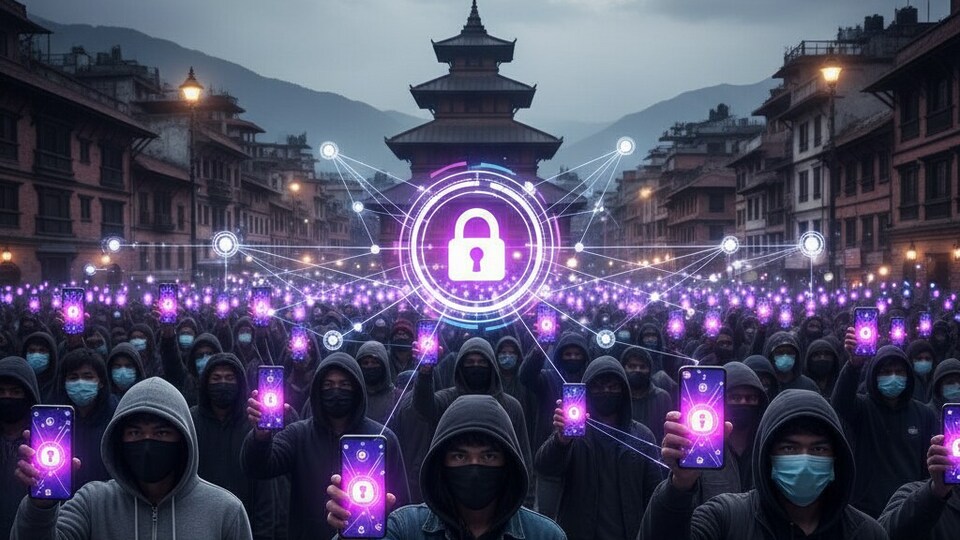
Your phone could spark a political movement even when every app you use is blocked. At least that’s what happened in Nepal recently. As social media bans swept across the country and protests roared in Kathmandu, a simple tool called Bitchat became a lifeline for thousands.

What happened in Nepal?
It all escalated this month when the Nepali government blocked platforms like Facebook, Instagram, and YouTube, pushing Gen Z to the streets. They said that these moves were aimed at curbing unrest. But instead, as the block hit, TikTok hashtag #NepoKids exploded with anger, Discord servers became packed with debate, and Bitchat downloads soared. In the days just before the demonstrations, Bitchat, the Bluetooth-based messaging app made by Jack Dorsey, saw downloads surge from just over 3,000 to nearly 49,000, according to Phemex and other reports.
Unlike regular apps, Bitchat doesn’t use mobile data, SIM cards, or standard servers. Instead, it lets phones send texts over Bluetooth for about 300 metres, with each device helping messages hop along until they reach the right person. With the government trying to silence digital dissent, this meant Nepal’s youth stayed in touch as they walked through city protests, even when the web was off. All messages remain encrypted, promising privacy and helping everyone feel a little safer, as per Jack Dorsey’s own posts.
Debating on Discord
While Bitchat kept coordination alive, the real debates about what should happen next moved online. Discord, better known for gaming communities, suddenly attracted more than 1,45,000 Nepali users, and the New York Times. There, people in their 20s ran open chats, picking apart ideas and even organising a vote for an interim Prime Minister. After days of riots and confusion, KP Sharma Oli stepped down and Sushila Karki was named interim PM.
Reports show that these Gen Z activists relied on VPNs to dodge bans, and on a mix of mesh networks and hashtags to keep the momentum going. Tech solutions worked on the fly: if Discord got slow, a quick Bluetooth message with Bitchat could still get the word out. Nepal’s latest protests prove how quickly people can adapt, flipping from Instagram stories to offline Bluetooth messages in hours. There was tragedy too, at least 19 killed during the uproar, but this upheaval has changed the way protests will be perceived now.


