A geyser or a water heater is an essential household appliance, especially during the peak winter season, when we all crave hot water for rejuvenating baths. But do you know that just like your other electrical appliances, your geyser also tends to wear out and sedimentation is one of the biggest issues that your geyser can face? This sedimentation can even lead to irregular or no hot water supply altogether.
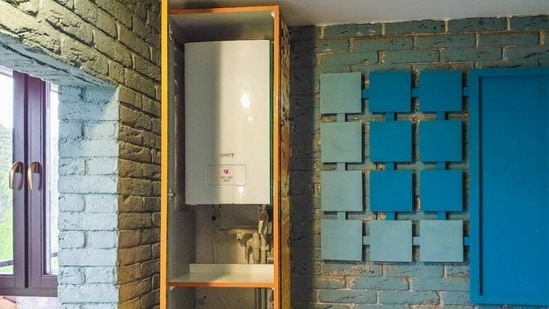
To understand sedimentation in geysers in detail and ways to avoid it, you need to read our article.
What are sediments?Basically, sediments come from the tiny particles that exist naturally in water. Sediments in water are particles of solid material that are transported and deposited by water. They can originate from natural processes, human activities, or both. Sediments may consist of organic and inorganic materials such as soil, sand, silt, clay, decomposed plants, and microorganisms.
What is sedimentation in geysers?Sedimentation in a water heater refers to the build-up of minerals, dirt, and other particles that settle at the bottom of the tank over time. This is especially common in areas with hard water, which contains high levels of calcium, magnesium, and other minerals.
Also read: Geysers for large families: Comparing high capacity geysers for all your need
Top water heaters:
Why is sedimentation a problem in water heaters?
Sediments in water can be a huge problem for geysers. A sediment build-up in geysers can affect the water supply and can affect its operation. Here are some more concerns that you should be worried about:
Reduced heating efficiency
- Insulation effect: Sediments, usually minerals like calcium carbonate, settle at the bottom of the tank and act as an insulating layer between the burner (in gas heaters) or heating element (in electric heaters) and the water. This forces the heater to work harder and use more energy to heat the water.
- Hot spots: In gas water heaters, sediment can create localised overheating or "hot spots" on the bottom of the tank, which can damage the tank over time.
Decreased water storage capacity
- Space occupied by sediments: Over time, as more sediment accumulates, it occupies space in the tank, reducing the amount of hot water available for use.
Increased energy costs
- A less efficient water heater needs to work longer to achieve the desired temperature, leading to higher energy consumption and increased utility bills.
Accelerated wear and tear
- Stress on heating elements: In electric water heaters, sediment can stick to the heating elements, causing them to overheat and fail prematurely.
- Corrosion risk: Sediment can create an environment conducive to corrosion, which may compromise the structural integrity of the tank.
Noise issues
- Popping or rumbling sounds: As water heats and bubbles form beneath the sediment layer, it can create loud popping or rumbling noises, indicating inefficiency and potential issues with the heater.
Clogged valves and pipes
- Disrupted water flow: Sediment particles can be carried into the plumbing system, clogging pipes, faucets, or the drain valve of the heater itself.
Shortened lifespan
- A water heater that operates under constant stress due to sediment build-up is likely to fail sooner than one that is well-maintained.
How to mitigate the issue?
There are multiple ways to combat the sedimentation issue in water heaters. We have listed a few here.
Regular flushing: Periodically flushing the tank to remove sediment can help maintain efficiency and extend the lifespan of the water heater.Water softener installation: In areas with hard water, installing a water softener can reduce the mineral content, minimising sediment accumulation.
Annual maintenance: Routine inspection and maintenance by a professional can identify and resolve sediment-related issues before they cause significant damage.
To conclude, sediment build-up in water heaters is a common issue that can significantly impact the efficiency, performance, and lifespan of the appliance. But, regular maintenance, such as flushing the tank, checking the anode rod, and using water softeners where necessary, can help mitigate these problems and ensure optimal operation. Addressing sediment accumulation proactively not only extends the life of your water heater but also enhances its performance, providing consistent access to hot water for your household needs.
Similar stories for you
How to increase the lifespan of your water heater?
Best water heaters for warm, cosy water to beat the winter chill: Top 10 picks
Best 5 star geysers for home: Choose from top 10 instant water heaters of different capacities
- What is sediment buildup, and how does it affect my water heater?
Sediment consists of minerals like calcium and magnesium that settle at the bottom of the tank. Over time, this can reduce efficiency, shorten the heater's lifespan, and cause noise during operation.
- What size water heater do I need?
The size depends on the household size and water usage: 1-2 people: 30–40 gallons for tank water heaters or 4 GPM for tankless. 3-4 people: 40–50 gallons for tanks or 6–8 GPM for tankless. 5+ people: 50+ gallons for tanks or 8+ GPM for tankless.
- How long do water heaters last?
Tank water heaters: 8-12 years. Tankless water heaters: 20+ years with proper maintenance.
- How often should I perform maintenance on my water heater?
Flush the tank annually to remove sediment buildup. Check the anode rod every 2-3 years (for storage tank models). Inspect the pressure relief valve annually.
Disclaimer: At Hindustan Times, we help you stay up-to-date with the latest trends and products. Hindustan Times has an affiliate partnership, so we may get a part of the revenue when you make a purchase. We shall not be liable for any claim under applicable laws, including but not limited to the Consumer Protection Act, 2019, with respect to the products. The products listed in this article are in no particular order of priority.