E-Paper



Does hard water impact your geyser’s lifespan? See some ways to safeguard your water heater from hard water damage
Has your geyser stopped performing well lately? This might be due to mineral buildup caused by hard water. Learn how to prevent your geyser from being damaged.

 Prefer HTon Google


Our Picks
FAQs
Our Picks
| Product | Rating | Price |
|---|---|---|
Haier Instant Water Heater 3 Litre Geyser 3000W Powerful Heating| Free Installation| Advanced Multi-Layered Safety|High Rise CompatibleView Details  | ₹3,499 | |
 | ||
IONIX Geyser filter filter | Bathroom water softner for All water inlets, 1 Minute installation, Easy connection to Geyser inlet, Low & Easy maintenaceView Details | ₹2,138 | |
| ||
View Details | ₹1,449 | |
| ||
IONIX Washing Machine Filter | 1 Year Warranty | Water Softener, Filter For Hard Water With Connectors & Anti Scalling Balls (White, Pack of 1),SedimentationView Details | ||
| ||
Tukzer Washing Machine Filter, Hard Water Softener for Shower Head,Gyser, Dishwasher| Multi-Layered Activated Carbon, Advanced Filtration Removes Chlorine Chemicals Sediments,Sand,Eggs, Algae, Rust, 5View Details | ₹809 | |
| ||

Research-Backed Choices
Every product we recommend is chosen through a combination of Primary Research and Secondary Research.
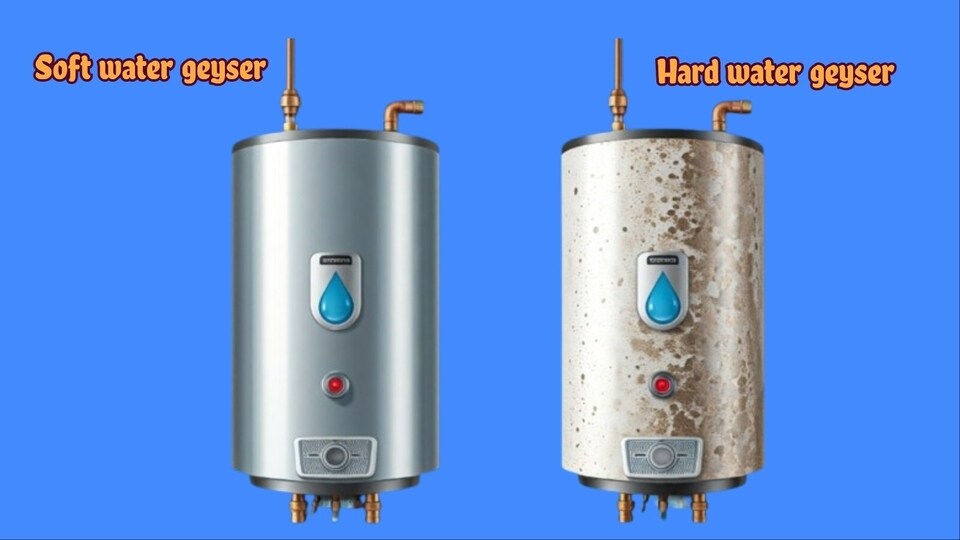

As winter settles in, the last thing you want is for your geyser to stop working when you need it the most. But just like any other appliance, your geyser has a limited lifespan, and over time, its performance can decline. One of the major culprits behind this decline is hard water. Is your geyser taking longer to heat water? Or have you noticed an unexpected spike in your energy bills? These could be signs that hard water is affecting the efficiency of your geyser, causing it to work harder and wear out faster.
Hard water, which contains high levels of minerals like calcium and magnesium, often goes unnoticed, but it can significantly impact your geyser’s lifespan and performance. Over time, the minerals in hard water form limescale deposits that can clog pipes, damage heating elements, and reduce overall efficiency. This not only leads to higher energy consumption but also shortens the life of your geyser, leaving you with costly repairs or replacements.
But how do you safeguard your water heater and keep using it for long? We have some steps that will help you extend the age of your water heater. These steps have been tested by us and the suggestions come from the solutions that we implemented.
What is hard water?
Hard water is water that contains high levels of dissolved minerals, primarily calcium and magnesium. These minerals are picked up as water flows through limestone and chalk deposits, which naturally dissolve into the water. While hard water isn’t harmful to health, it can cause several problems for household appliances, including geysers, by leaving mineral deposits (also known as scale) inside the appliance. Over time, this build-up can decrease efficiency and lead to malfunction.
Understanding the difference between hard water and soft water
Hard water | Soft water |
| Contains high levels of calcium and magnesium | Contains little to no calcium or magnesium |
| May appear cloudy or contain sediment | Clear and free from visible particles |
| Forms soap scum and requires more detergent | Lathers easily with less soap |
| Causes mineral buildup, reduces efficiency | Doesn’t cause scale buildup, more efficient |
| No significant health risks | Generally considered better for skin and hair |
| High (hardness level > 60 mg/L) | Low (hardness level < 60 mg/L) |
Also Read: How to increase the lifespan of your water heater?
How hard water affects your geyser’s lifespan
The minerals in hard water, particularly calcium and magnesium, gradually accumulate inside the geyser over time, causing a variety of problems. Here’s a breakdown of how hard water affects your geyser:
Scale buildup
One of the most common problems that occur due to hard water is scale buildup. As the water heats up inside the geyser, these minerals settle on the heating element and the inner walls, forming a layer of scale. This accumulation of mineral deposits acts as an insulating barrier on the heating element, making it less efficient.
As a result, the geyser has to work harder and longer to heat the water, significantly reducing its heating efficiency. Over time, this continued strain can cause the heating element to deteriorate, leading to higher repair costs or even the need for a complete replacement.
Also Read: Best 5-star geysers: Top 10 picks to beat chilling weather
Clogged pipes and valves
In addition to scale buildup, hard water also causes clogged pipes and valves. The mineral deposits from hard water can accumulate inside the geyser’s pipes, valves, and other components, restricting the flow of water. This can lead to blockages, causing the geyser to perform poorly or even stop working altogether. Reduced water flow can also affect the water pressure, making it take longer for the geyser to heat water.
Reduced efficiency
Furthermore, the presence of scale and clogs reduces the overall efficiency of the geyser. As the geyser struggles to maintain its heating performance due to mineral deposits, it consumes more electricity, resulting in higher energy bills.
The increased workload placed on the heating element and other internal parts of the geyser also accelerates wear and tear, shortening the appliance’s lifespan. This combination of reduced efficiency, higher energy consumption, and increased stress on the geyser’s components can lead to frequent breakdowns and costly repairs.
Signs that hard water is impacting your geyser
Slow heating time: If your water heater takes longer to heat water, scale buildup on the heating element is likely causing the delay.
Increased energy bills: More energy consumption occurs when the geyser works harder due to mineral buildup, leading to higher electricity bills.
Water discolouration: Discoloured or cloudy water may indicate mineral deposits affecting the geyser, reducing performance and water quality.
Frequent breakdown of the geyser: Hard water causes wear and tear on the geyser, leading to frequent breakdowns and the need for repairs.
Low water pressure: Scale accumulation in pipes can obstruct water flow, resulting in reduced water pressure and inconsistent hot water supply.
Unusual noises: Popping or crackling sounds from the geyser indicate mineral buildup on the heating element, affecting heating efficiency.
Rust or stains around the geyser: Rust stains around the geyser suggest mineral deposits and corrosion due to hard water affecting metal parts.
Fluctuating water temperature: Inconsistent water temperature occurs when scale buildup disrupts the heating element, causing fluctuations in water temperature.
Also Read: Best water heater geyser in India: 10 models making a splash
Tips to safeguard your geyser from hard water damage
1. Install a water softener
A water softener reduces minerals in water, preventing scale buildup and protecting your geyser for better performance.
Check out these water softeners and filters for geyser on Amazon
2. Schedule regular servicing
Get your geyser serviced annually to descale, clean, and fix any issues before they cause serious damage.
3. Use anti-scale devices
Install magnetic or electronic anti-scale devices to stop mineral deposits from forming inside your geyser.
4. Clean your geyser regularly
Flush out sediments every few months and use descaling solutions to keep the tank clean and efficient.
5. Choose a corrosion-resistant geyser
Buy geysers with glass-lined or stainless steel tanks to handle hard water better and last longer.
6. Add a pre-filter system
Install a pre-filter before your geyser to trap dirt and sediments, ensuring cleaner water and less scaling.
7. Keep water temperature low
Avoid high thermostat settings since hot water encourages more mineral deposits inside the geyser.
8. Replace worn-out parts
Change old heating elements or anode rods to maintain performance and protect the appliance from hard water damage.
Also Read: Best 5 star geysers for home: Choose from top 10 instant water heaters of different capacities
Check out these 5 star geysers on Amazon
Best practices for extending the lifespan of your geyser
- Use optimal temperature settings: Set the thermostat between 50°C and 60°C for efficient heating and reduced mineral buildup.
- Turn off when not in use: Switch off the geyser to save energy and prevent unnecessary wear.
- Empty the tank when not in use: Drain the tank periodically to avoid sediment buildup and rust.
- Avoid using during voltage fluctuations: Protect your geyser from damage by turning it off during unstable power supply.
- Insulate your water heater: Use insulation to maintain water temperature and reduce energy consumption.
Hard water can be a silent culprit that gradually diminishes your geyser’s efficiency and lifespan. By understanding the impact of hard water and adopting preventative measures like regular maintenance, water softeners, and proper care, you can protect your appliance from damage. Take these proactive steps today to enjoy consistent performance, lower energy bills, and a longer-lasting geyser throughout the colder months.
Similar articles for you
Havells geyser 25 litre price: Bring home best model, here are top 10 choices
Best geyser for home: Explore top 10 models for this winter
Crompton geyser vs other brands: 10 advanced geyser models to pick from
Best price for Bajaj 25 litre geyser: Elevate your bathing experience
Disclaimer: At Hindustan Times, we help you stay up-to-date with the latest trends and products. Hindustan Times has an affiliate partnership, so we may get a part of the revenue when you make a purchase. We shall not be liable for any claim under applicable laws, including but not limited to the Consumer Protection Act, 2019, with respect to the products. The products listed in this article are in no particular order of priority.