
 E-Paper



Why iOS 26’s new Liquid Glass design looks like a major win for Apple
In a world where tech design often stumbles under the weight of ambition, Apple’s Liquid Glass might just be one of its smartest visual evolutions yet.


You may be interested in






Apple’s new Liquid Glass design language, introduced across iOS 26, macOS 26, iPadOS 26 and other platforms, might just be the company’s most cohesive software refresh in years. And unlike some past redesigns, this one appears to be a well-calculated risk that’s already winning early praise.
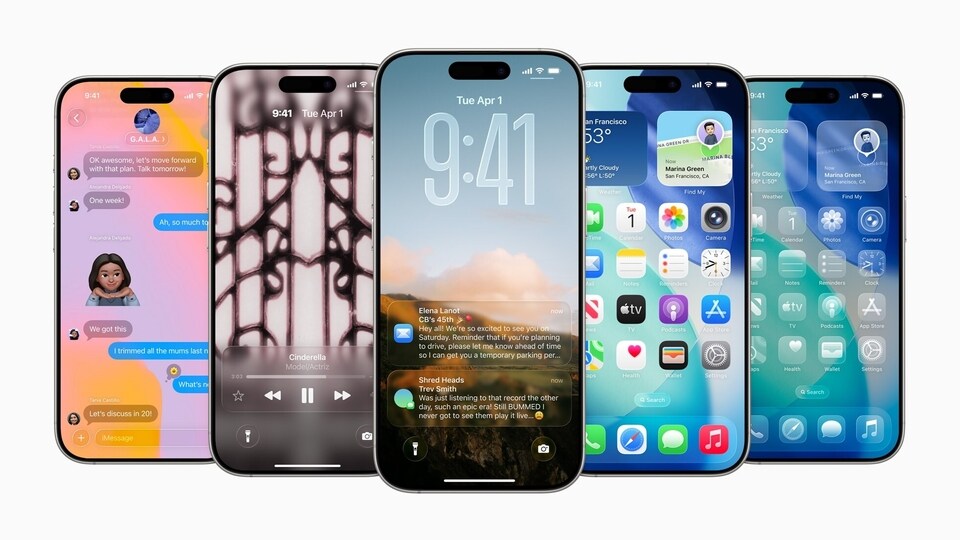

Major design overhauls can be divisive, Apple knows that better than most. Last year’s Photos app redesign in iOS 18 drew mixed reviews, with many users finding the changes unintuitive. So the decision to roll out a sweeping visual overhaul across virtually all Apple platforms in 2025 came as something of a surprise.
Yet, what the company has previewed so far suggests that Liquid Glass is more than just a cosmetic update, it’s a fresh layer of polish that improves aesthetics without disrupting usability.
Mobile Finder: iPhone 17 Air likely to debut later this year
Four Things Apple Got Right with Liquid Glass
Based on what’s been shown at WWDC and in current betas, Liquid Glass succeeds in four major areas:
1. It looks new and exciting. The translucent visual elements bring a sense of depth and modernity to Apple’s interface, giving familiar devices a fresh coat of paint.
2. It’s not disorienting. While the design has changed, the core interface structure remains intact. There’s no need to relearn the basics, unlike with some past Apple redesigns.
3. It enhances cross-platform consistency. By applying Liquid Glass across iOS, macOS, iPadOS, watchOS, and even visionOS, Apple has created a unified experience that makes the ecosystem feel more cohesive.
4. It sets the stage for future hardware. With design choices that feel made for glass-heavy, screen-dominant devices, Liquid Glass could be paving the way for Apple’s next-gen products — such as Apple Glasses or even an iPhone with no physical buttons or bezels.
A Design That Feels Considered
Critically, Apple hasn’t changed things just for the sake of change. While the visuals are striking, the functionality underneath remains familiar. That balance could be key to wider adoption and user satisfaction — something the company will be watching closely come the public release in September.
In a world where tech design often stumbles under the weight of ambition, Apple’s Liquid Glass might just be one of its smartest visual evolutions yet.


