
 E-Paper



Dubai rain: What is cloud seeding and why does UAE need it? Explained
Dubai flood: While Dubai is known for its arid climate and high temperatures, here's a look at how the UAE city does cloud seeding.

 Prefer HTon Google


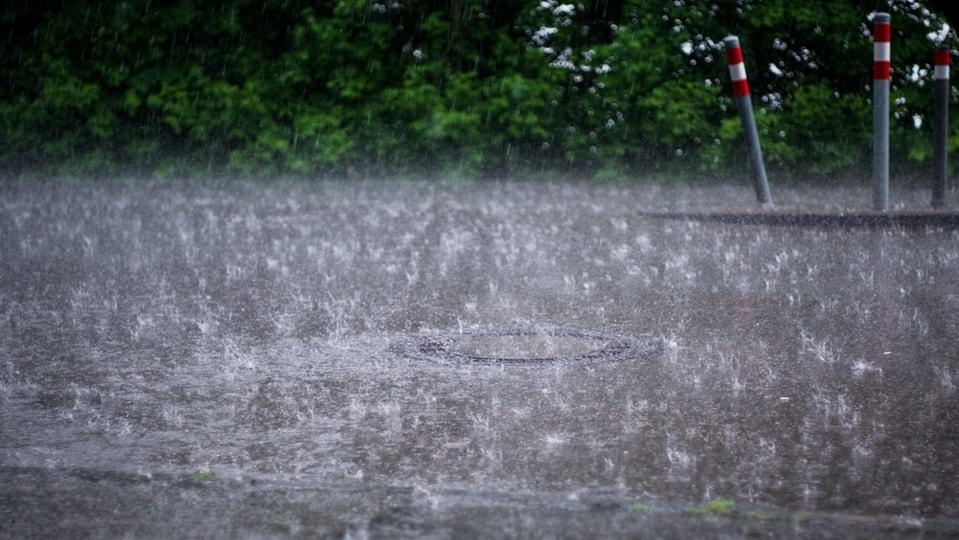
Heavy rainfall on Tuesday brought Dubai to a standstill. A majority of roads, housing societies, outlets and other places were covered by water. Operations at the Dubai airport were also suspended for some time. While the city is known for its arid climate and high temperatures, let's take a look at how Dubai does cloud seeding.
In a video shared by popular YouTuber Nas Daily last year, he gave people an insight into how this UAE city creates rain for itself. In the video, Nas Daily first explains how Dubai is a "very dry" city with less rain. Then, he shows the operations of the National Center of Meteorology, Dubai, and how they create rain. (Also Read: What caused unusual rainfall in desert city of Dubai leading to floods?)
What is cloud seeding?
The video shows officials at the National Center of Meteorology monitoring the sky and looking for clouds. Then, the researchers, with the help of a private plane, drop specially created nano-salt granules under the clouds. The salt particles attract water towards them. Once there is enough water, it starts to rain. Nas Daily, in the video, also explains how sometimes they also spread the salt on top of the mountains. While the process of cloud seeding is completed, it is not always sure in which area it will rain.
Watch the video shared by Nas Daily here:
According to Bloomberg, cloud seeding requires the injection of chemicals into pre-existing clouds; it is not a stand-alone solution. When used to target rain clouds in hilly places, or to increase the amount of rain, it has shown to be effective. Regarding its effectiveness on clouds that might not deliver rain, in flat areas, and during drought, there is conflicting scientific information. Some experts argue that in these circumstances, it becomes a political instrument.
According to data provided by the nonprofit Desert Research Institute, long-term seeding operations have enhanced the snowpack by roughly 10% annually in specific places over the Nevada mountains in the United States. Similar outcomes have been documented in the Snowy Mountains of Australia, the Sierra Madre Range in Wyoming, and the Snowy Range in Wyoming.


