
 E-Paper



Nelson Mandela International Day
“An ordinary man who became a leader because of extraordinary circumstances". The man whose name resonates with the anti-apartheid movement, equality, and freedom. His 'Long Walk To Freedom' is an inspiration to many around the world.

 Prefer HTon Google


Observed on 18th July 1918

Born into the Xhosa royal family in the village of Qunu, Transkei, South Africa on July 18, 1918, Nelson Rolihlahla Mandela is remembered for his commitment to peace, negotiation, and reconciliation.
He spent 27 years of his life in prison for his assiduous efforts in politics and activism to fulfil his lifelong dream of a free and fair society. He became the first Black President of South Africa four years after leaving prison and was sworn in on May 10 1994.
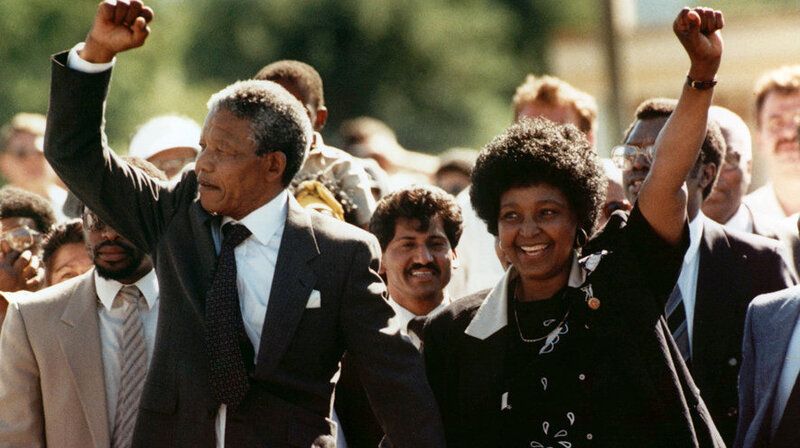
It was a custom in Mandela's village to accord a Christian name to each child who started school. By the same token, the name "Nelson" was given to him by his primary school teacher Miss Mdingane.
Mandela's life was dedicated to the fulfilment of this ideal; to achieve for the African people, a society that was not bound by the shackles of racism and discrimination. This, in his opinion, could have only been realized with the establishment of a constitutional democracy that would accommodate the plural society of South Africa with its diversity of races, languages, and opinions in a harmonious setting. In his trial in Pretoria, in April 1964, he claimed that he hoped to live for, and if need be, to die for this ideal against apartheid and for equal treatment of all.
The National Party of South Africa that was in power during the late 1940s followed a policy of Apartheid which referred to the practice of separateness and racial segregation.
This policy was deep-rooted and made its way into almost every sphere in the lives of the people- It was to determine their living spaces, schools they could attend, workplaces they could go to, where they could be treated if sick and where they could be buried. The right to vote also was an exclusive privilege of the whites.
Mandela was highly inspired by Gandhi’s doctrine of non-violence and upheld Gandhian values in great esteem. He advocated non-violence after the Nagasaki and Hiroshima explosions as an appeal to all. Both leaders- Gandhi and Mandela were similar in their struggle against colonial oppression and are revered as “Fathers of the Nation” respectively for India and South Africa.
Since 2009, 18 July has been celebrated as Nelson Mandela International Day, to commemorate the birth of Nelson Mandela and his contributions to the struggles against injustice in the society, at large through a unanimous decision of the United Nations General Assembly.
Mandela is recognized as one of the greatest symbols of peace and social justice. This event should be seen as a combined global endeavour to honour his life’s work and legacy. Even after he stepped down in 1999 after serving one term as President, he continued to impact several lives through his acts of benevolence. He set up the Nelson Mandela Children’s Fund in 1995, established the Nelson Mandela Foundation in 1999, and The Mandela Rhodes Foundation in 2003. He used to donate one-third of his salary as president to the Nelson Mandela Children’s fund every month.
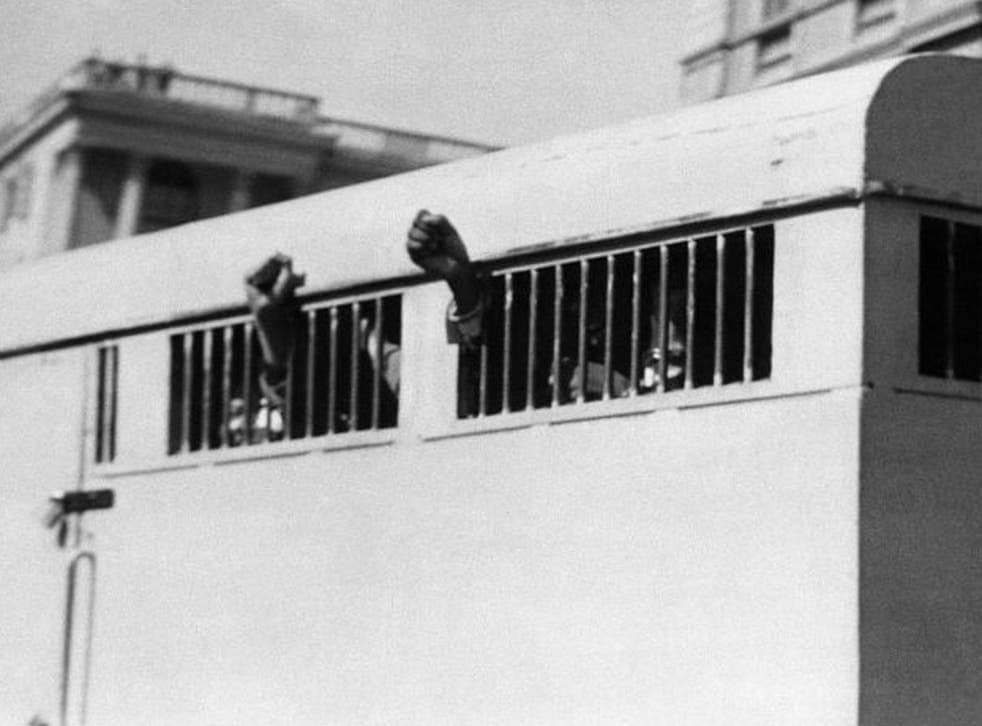
Humanitarian, philanthropist, and leader, his life continues to be an “inspiration to all who are oppressed and deprived, and to all who are opposed to oppression and deprivation.”
It is now our responsibility to not let the struggles of our leaders go in vain and to uphold and preserve their ideals, values, and morals. As Mandela, in own of his speeches has urged us to consistently ask ourselves this one thought-provoking question- “What have I done to improve the surroundings in which I live?” It is a continuous reminder of the selfless life that Mandela lived.
This was story was first published on This Day.app.


