A microscopic organism has wriggled back to life and reproduced asexually after lying frozen in the vast permafrost lands of northeastern Siberia for 24,000 years.
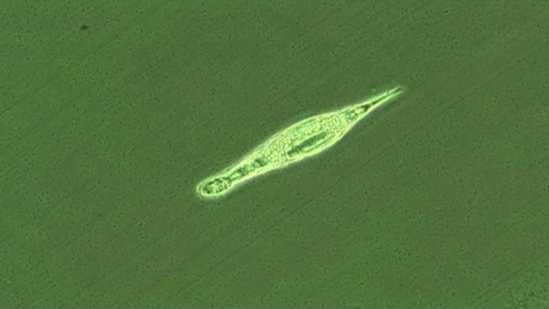
Russian scientists found the tiny, ancient animal called the bdelloid rotifer in soil taken from the river Alazeya in Russia's region of Yakutia in the far north.
The bdelloid rotifer, a multicellular organism found in freshwater habitats across the world, is known to be able to withstand extreme cold.
Previous research suggested it could survive for a decade when frozen at -20 degrees Celsius.
This new case, which was detailed in a study in the journal Current Biology, is by far the creature's longest recorded survival period in a frozen state.
The organism was recovered from samples taken 3.5 metres below ground. The material was dated from between 23,960 and 24,485 years ago, the study said.
{{/usCountry}}The organism was recovered from samples taken 3.5 metres below ground. The material was dated from between 23,960 and 24,485 years ago, the study said.
{{/usCountry}}Land encased in permafrost - where the ground is frozen all year round - has for years thrown up startling scientific discoveries.
Scientists earlier revived microscopic worms called nematodes from sediment in two places in northern Siberia that were dated over 30,000 years old.