While the prevalence of undernourishment in India declined from 22.2% in 2004-06 to 14.5% between 2016 and 2018, an increase in the unemployment rate in India and decreasing economic growth in Pakistan between 2017 and 2018 led to a marked increase in food insecurity in southern Asia, according to The State of Food Security and Nutrition in the World report of the United Nations released on Monday.
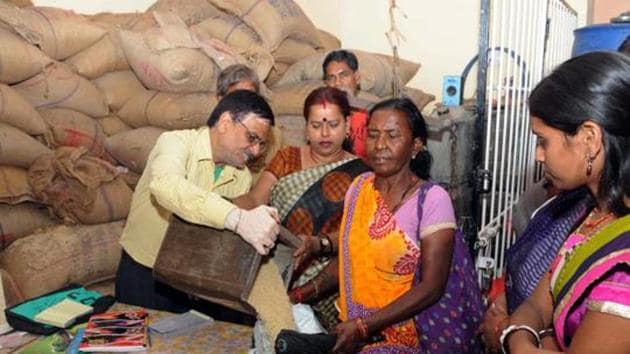
In absolute numbers, India’s undernourished population fell from 253.9 million in 2004-06 to 194.4 million in 2016-18, said the report.
In Southern Asia, food insecurity increased from less than 11% in 2017 to more than 14% in 2018. “This possibly reflects an increase in the unemployment rate in India between 2017 and 2018, and especially in Pakistan, where growth is expected to slow down significantly,” said the report.
In the Indian Himalayas, an economic slowdown coupled with natural resource depletion and climate change had a negative impact on food production and employment opportunities. This resulted in increased threats to food security due to lower purchasing power, the report said.
At least 11% of the world’s population, or at least 820.6 million people, are undernourished, casting a shadow on the probability of achieving the zero hunger target by 2030 as part of the Sustainable Development Goals (SDGs). Asia and Africa have 513.9 million and 256.1 million hungry people, respectively.
Food insecurity is a secondary issue for India, which is struggling to curb malnutrition, experts said. “If you look at government data, less than 10% children are getting an acceptable diet. Only 54% children are being exclusively breastfed for six months. It seems difficult to attain the 27% stunting target by 2025 at the pace at which things are going. It’s projected at about 31%. There are bigger issues at hand,” says Dr Antaryami Dash, nutrition expert at the NGO Save The Children.
{{/usCountry}}Food insecurity is a secondary issue for India, which is struggling to curb malnutrition, experts said. “If you look at government data, less than 10% children are getting an acceptable diet. Only 54% children are being exclusively breastfed for six months. It seems difficult to attain the 27% stunting target by 2025 at the pace at which things are going. It’s projected at about 31%. There are bigger issues at hand,” says Dr Antaryami Dash, nutrition expert at the NGO Save The Children.
{{/usCountry}}The report shows that the decline in hunger the world had enjoyed for over a decade was at an end, and that hunger was again on the rise.
About 2 billion people in the world experience moderate or severe food insecurity. The lack of regular access to nutritious and sufficient food that these people experience puts them at greater risk of malnutrition and poor health.
After decades of steady decline, the trend in world hunger — as measured by the prevalence of undernourishment — reverted in 2015, remaining virtually unchanged in the past three years at a level slightly below 11%.
“We will meet neither the 2030 Sustainable Development Goals target to halve the number of stunted children nor the 2025 World Health Assembly target to reduce the prevalence of low birth weight by 30%,” the report warned.