Baba Punjab Singh, a survivor of the 2012 massacre of worshippers at a gurdwara in Wisconsin state by a white supremacist, died Monday, taking up the toll to seven. The killings had led to changes in the federal criminal justice system to include attacks on Sikhs as a hate crime.
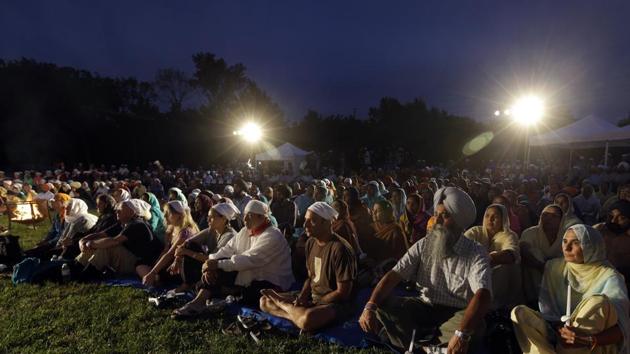
Singh, 72, had been left paralysed by a shot in the face and could communicate only by blinking his eyes. He had lived in a long-term care facility in Milwaukee, Wisconsin since.
“Babaji’s capacity for love and optimism was unchanged by the heinous attack in Oak Creek, as well as the life-altering injuries he sustained,” said his son Raghuvinder Singh said in a statement. “Even when I regularly visited him in the hospital after his paralysis, I would ask him: Are you living in chardikala, the Sikh spirit of eternal optimism? Each time, without fail, he would blink twice to say ‘yes’.”
Wade Michael Page, a white supremacist, had opened fire on the gurdwara in Oak Creek, Wisconsin just as worshippers were gathering for the morning prayer. He killed six people and wounded several others - Singh was among them - before he was killed in a gunfight with a police officer.
The massacre led to congressional hearings and became a turning point in the treatment of crimes against Sikhs, who had become a target of ethnic slurs, bullying and violence. The FBI now tracks incidents against Sikhs as a hate crime.
{{/usCountry}}The massacre led to congressional hearings and became a turning point in the treatment of crimes against Sikhs, who had become a target of ethnic slurs, bullying and violence. The FBI now tracks incidents against Sikhs as a hate crime.
{{/usCountry}}Sikhs were the target of 4.1% of hate crimes committed on the basis of religious identity in 2018, according to the FBI