
 E-Paper



After Nepal, Gen-Z protests rock Madagascar and Peru: Here's why
Madagascar's Gen-Z is protesting over failures in electricity and water supply. While in Peru, youth are rallying against corruption scandals and rising crime.

 Prefer HTon Google


Days after the deadly Gen-Z protests rocked Nepal, youth-led demonstrations have now been rallying in Madagascar and Peru. In Madagascar, Gen Z is protesting over failures in electricity and water supplies, while in Peru, the youth are rallying against corruption scandals and rising crime.
More than 70 people were killed in Nepal in the deadliest outbreak of political violence in decades, as Gen Z flocked to the streets of Kathmandu and other cities, which led to the resignation of Prime Minister KP Sharma Oli.
ALSO READ | From Ladakh to Assam, Nepal Gen-Z protest fuels fears and jibes across India
The violence in Nepal ended after former Supreme Court Chief Justice Sushila Karki was recommended and accepted as the country’s interim prime minister.
Here is what is happening in Madagascar and Peru:
Gen-Z protests in Madagascar
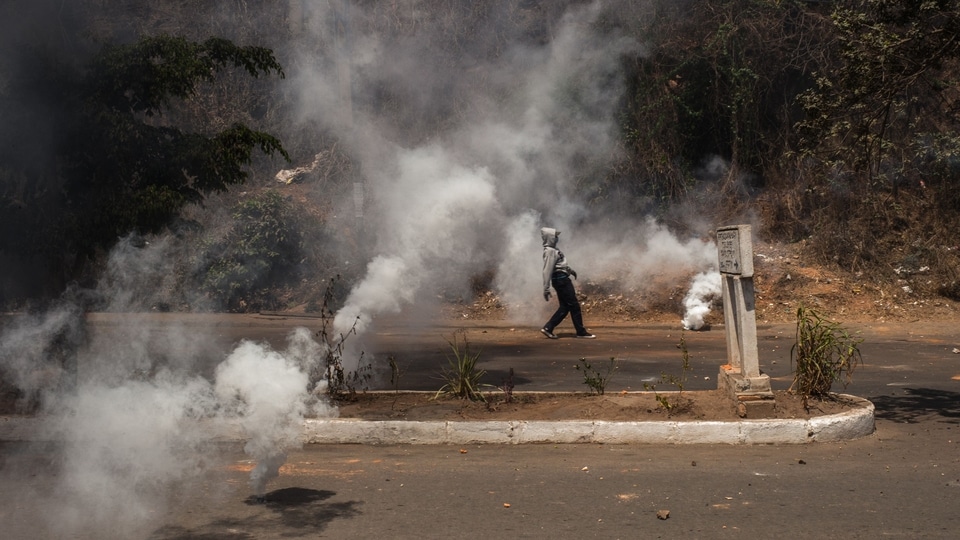
The youth-led protests, which called for the resignation of Madagascar’s Prime Minister Christian Ntsay and President Andry Rajoelina, turned deadly as demonstrators rallied against failures in electricity and water supplies.
The unrest led Rajoelina to dismiss the prime minister and several other government officials. In a speech, the president said that Ntsay and other officials would remain on an interim basis until a new government is formed.
Notably, the president invited applications for vacant government positions and issued a three-day deadline to review proposals for a new prime minister.
Protests over power and water cuts began on Thursday, forcing thousands of people onto the streets. The government imposed curfews in the capital, Antananarivo, and other cities.
The demonstrations also gained attention on social media, similar to the recent youth protests in Nepal and Kenya.
According to the United Nations human rights office, 22 people were killed and 100 others injured in the clashes.
ALSO READ | Anger over 'Nepo Kids' fueled Nepal Gen-Z rage: How protesters gathered amid ban
Gen-Z protests in Peru
On Saturday, the youth in Peru took to the streets to protest against President Dina Boluarte. This came after demonstrations in the capital a week earlier that led to clashes with the police, leaving many officers and protesters injured.
The protests began on September 20 after reforms to the country’s pension system required all Peruvians over 18 to join a pension provider. They were also driven by longstanding anger against Boluarte.
Jo-Marie Burt, a visiting professor at Princeton University who has researched Peruvian politics, told AP that the anger has been fuelled by corruption scandals, rising crime, economic insecurity, and outrage over a lack of accountability after protesters were killed by security forces when Boluarte took office in 2022.
These demonstrations are similar to youth-led protests in Indonesia and Nepal. A common feature has been a skull in a straw hat, a symbol from the Japanese manga “One Piece”.
With inputs from agencies


