
 E-Paper



Another pandemic ‘absolutely inevitable’: Top UK scientist's warning
The Covid-19 pandemic raged between 2019 to 2021, following which small waves of the virus were witnessed across the world.

 Prefer HTon Google


As the world is just getting over Covid-19 after four years, a top British scientist warned that another pandemic is “absolutely inevitable”.
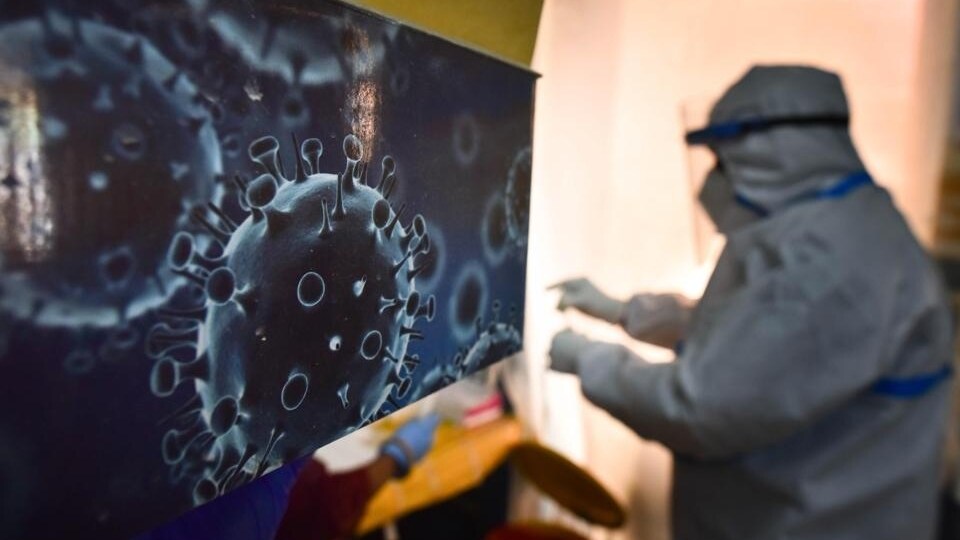
The former chief scientific adviser to the British government, Sir Patrick Vallance, urged the UK government to prioritise preparations for the pandemic and emphasized that the country is “not ready” for it yet, The Guardian reported.
According to the report, Vallance, speaking at a panel event at the Hay Festival in Powys, stressed that the UK government must implement “better surveillance” to detect the threats of the virus.
He also recommended some measures to prevent drastic steps during the Covid-19 pandemic, such as diagnostic tests, vaccines, and treatments. The top scientist believes that such measures could be implemented, however, it would require some coordination.
Also read: As COVID cases rise again, what do I need to know about the new FLiRT variants?
“We know we have to have an army, not because there’s going to be a war this year, but we know it’s an important part of what we need as a nation. We need to treat this preparedness in the same way and not to view it as an easy thing to keep cutting back when there’s no sign of a pandemic – because there won’t be a sign of a pandemic,” he said, as quoted by The Guardian.
According to the report, Vallance also said that by 2023, G7 had “sort of forgotten” his points about the pandemic preparations in 2021. “You can't forget about it,” he said.
The British scientist, during the panel event, mentioned the World Health Organization's (WHO) pandemic accord, calling it a “positive step”. However, he also criticised its “lack of focus and urgency”.
‘Covid cut global life expectancy by 2 years’: WHO
Last week, the WHO said that Covid-19 has cut global life expectancy by almost two years, wiping out a decade of progress. According to the UN health agency's world health statistics study, global life expectancy fell 1.8 years to 71.4 years - the same level it was in 2012.
The study said that the amount of time an average person can expect to live in good health fell 1.5 years to 61.9 years in 2021.
The Covid-19 pandemic raged between 2019 to 2021, following which small waves of the virus were witnessed across the world.


