
 E-Paper



India’s government bans fantasy sports games
India’s government is concerned by the financial and public-health risks these games pose.


 Prefer HTon Google


How quickly can you get rich in India? According to fans of fantasy-gaming platforms, such as Dream11, it is possible to do so in a matter of hours. Spend as little as eight rupees (ten cents) ahead of a cricket match and a punter could win hundreds of thousands rupees if their virtual team ends up performing well on the pitch. The prospect, albeit unlikely, of such tantalising returns, combined with glitzy marketing campaigns featuring Bollywood stars, has lured 200m users to Dream11’s platform since it started in 2008—a higher number than Indian stockmarket investors.
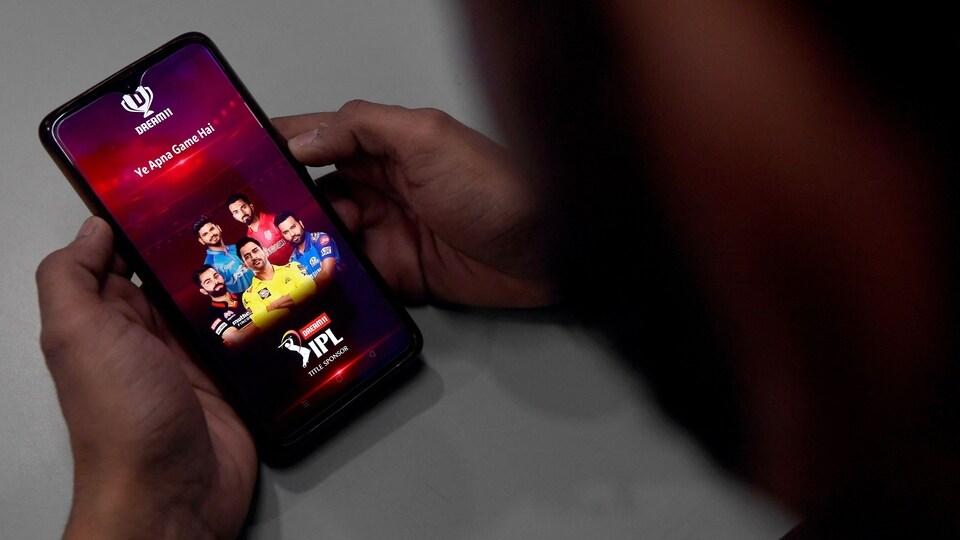
The website is part of a booming money-based gaming industry. It includes more than 2,000 Indian startups. The firms’ collective annual revenues were expected to double in the next three years, from around $3.8bn currently. Such projections, though, now have been foiled by India’s government. On August 21st India’s parliament passed a bill banning all money-based online games. Offending operators face fines and prison terms of up to three years; banks that process transactions for them would also be punished. A day later India’s president formally signed it into law. Why the heavy-handed response?
India’s government is concerned by the financial and public-health risks these games pose. The bill highlights their “manipulative design features” and “addictive algorithms”, which could lead to “financial ruin”. Officials also fret that platforms could be gateways for fraud and money laundering. These are valid concerns. Thanks to rapid economic growth, the proliferation of smartphones and cheap data, middle-class Indians increasingly have the means to have a flutter. Similar forces have driven a boom in stocks and options trading. But while trading those instruments still requires technical knowledge, fantasy cricket and card-based games are more easily understood, increasing the risk of excesses.
Gaming firms have long denied the government charges, insisting that their games are skill-based. An industry lobby has written to Narendra Modi, the prime minister, calling for “progressive regulation” rather than prohibition. Several firms are in discussion about challenging the new law in the Supreme Court. For now, though, the ban will have far-reaching consequences. The industry has been a magnet for investment: Dream11’s parent company has raised more than $1.6bn since 2008.
The demise of such companies could hurt several venture-capital firms at home and abroad. America’s Tiger Global, for instance, has invested hundreds of millions of dollars in Dream11 and Games24x7, a card-games platform. Sports that form the basis of fantasy games may also suffer. Kabaddi, a traditional Indian team sport, has attracted more viewers and investment in recent years, partly thanks to interest in Kabaddi-related fantasy games. A ban would curb that.
Yet the biggest loser may be the state itself. The Indian gaming- industry body claims that gaming firms contribute more than 200bn rupees annually in taxes (roughly 1% of all tax receipts). It is unclear whether the public-health and societal benefits from an outright ban will compensate for the loss of revenue. There are concerns that gamers could instead just get their kicks from shady, unregulated offshore outlets—many of which are already easily accessible from India. That would do little to quell worries about public health and could exacerbate problems such as money laundering.
There has been little public deliberation over the costs and benefits of the bill. The gaming-industry body complains that it was not consulted. The lower house of parliament took just seven minutes to pass the legislation after it was tabled. Just as in high-stakes games, it only took a few moments for fortunes to turn.


