
 E-Paper



Gulf States Accept a New Normal in Hormuz: Iran Is in Control
Some of the world’s largest energy exporters dislike the emerging deal to reopen the waterway but fear going back to war would be worse.


 Prefer HTon Google


DUBAI—Persian Gulf energy producers are concluding that Iran’s control over the Strait of Hormuz will become permanent, disrupting their oil and gas exports and global energy supplies indefinitely.
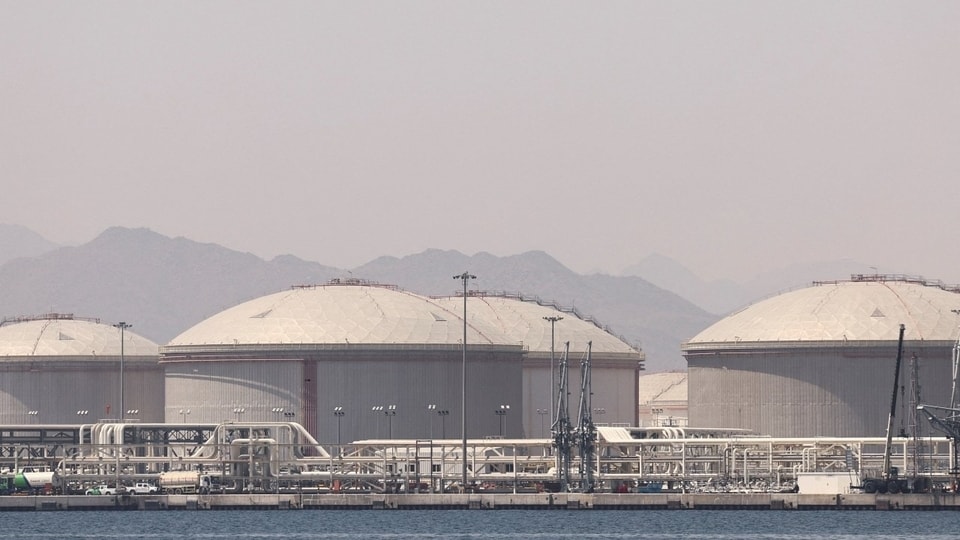
The problem is they worry the alternative—going back to war—would be worse.
The conundrum highlights how the war has unleashed a more antagonistic Iran and left a region that is vital to the world’s energy security with no good option for countering it.
Iran’s rivals in the Gulf don’t like the deal now under consideration to crack open the vital waterway that formalizes Iranian oversight of inbound ships. But Gulf officials said the region sees the agreement as preferable to further military action between the U.S. and Iran, which would put Arab states’ energy infrastructure at risk.
Negotiations on the deal, which promises to release energy shipments through Hormuz, have stalled in recent days. Iran has demanded financial relief and a prohibition on American and Israel warships in the strait, and on the other side the U.S. has refused to entertain an agreement that allows Tehran to place impediments on shipping, the mediators said. Oil prices turned higher Monday, with international benchmark Brent crude futures trading around $87 a barrel.
Meanwhile, traffic through the strait has been snarled by Iranian attacks since a June memorandum of understanding between Washington and Tehran to open the waterway and wind down the war fell apart last month. Gulf states’ efforts to get around the blockage in Hormuz are faltering as well.
The United Arab Emirates said four of its ships were hit last week by Iranian attacks while attempting to transit the strait. Saudi Arabia, which had preserved much of its export capacity by piping oil across the desert to a port on the Red Sea, has seen that alternative export route come under attack by the Iran-backed Houthi militia in Yemen.
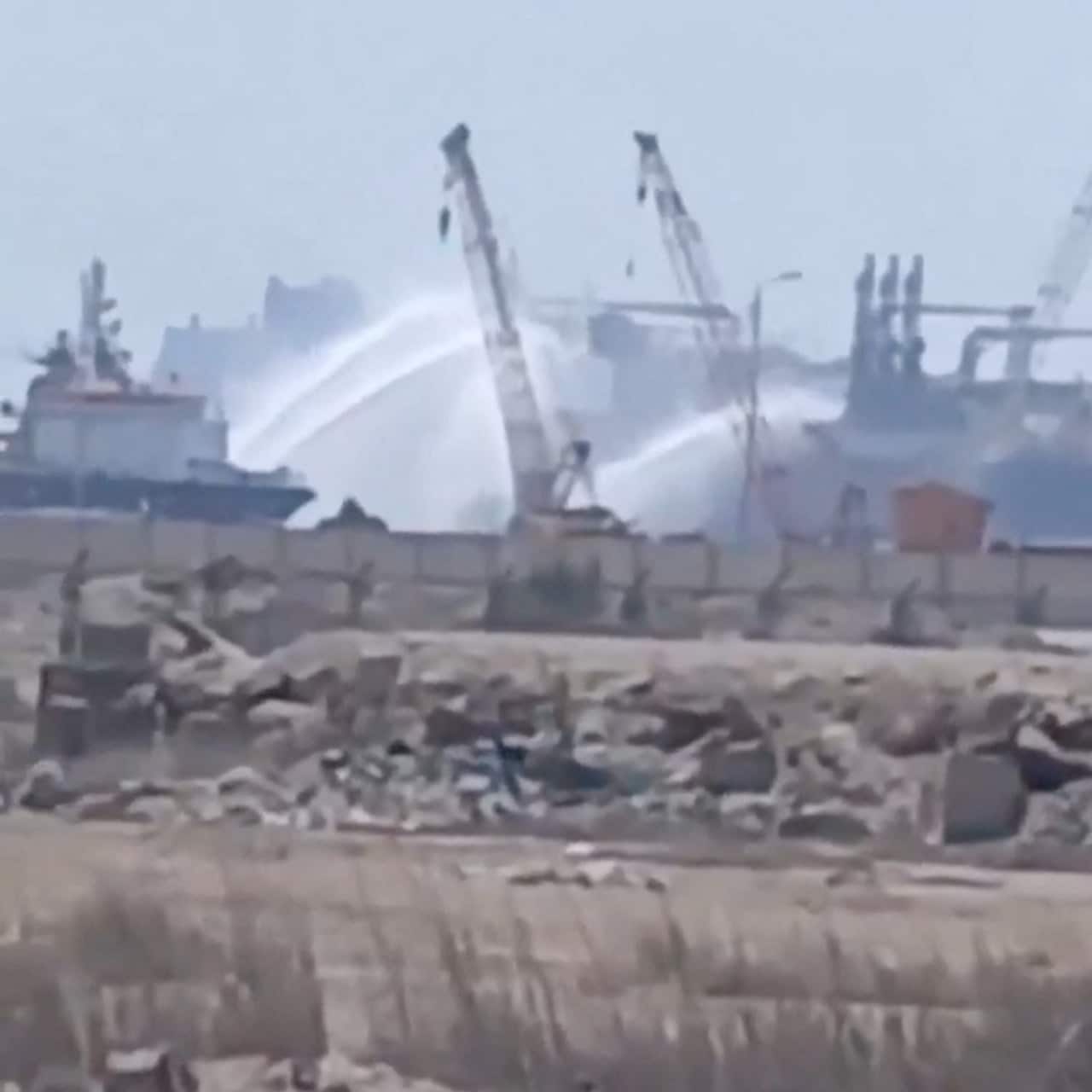
Egypt even came under fire with a drone attack on a gas tanker at the port of Damiatta, showing that Iran’s threat to energy exports extends well beyond Hormuz.
As a result, the region’s energy exporters—crucial to global supplies—are facing an extended period where the conflict bumps along between war and peace with Iran using its sway over their shipments as a crucial piece of leverage in the standoff.
“In this background the Arab Gulf states cannot really ensure complete safety and openness of the Strait of Hormuz and can no longer rely upon it for transport or trade,” said Umer Karim, a researcher in Gulf security matters at the University of Birmingham. “Thus there is no other option for now but to concede to a degree to Iranian demands.”
The enduring threat to shipments from the world’s energy hub points to a major strategic setback from the war launched in February. In past crises—even in the Middle East—Gulf oil supplies and spare capacity helped offset shortfalls from countries like Iraq, Kuwait and even Iran. That capability now comes with caveats.
“It seems that Iran will essentially want to control not just the Strait of Hormuz but all aspects related to it, whether trade or export of oil or gas, and will dictate its terms to the Gulf countries for them to use it,” Karim said.
Crude oil exports through the Strait of Hormuz fell to about 2.2 million barrels a day last week, down from about 8.5 million barrels a month ago, according to commodities data provider Kpler. Iranian exports were cut in half in a week’s time, down to 47,000 barrels a day last week. Roughly 20 million barrels a day of oil and petroleum products passed through the waterway before the conflict.
Oil prices are well off highs hit during the fiercest fighting last spring thanks to subdued demand from China, Japan, India and Europe. But global oil inventories are lower than they were at the start of the war, plunging by over 400 million barrels in the past six months. That means the market has less cushion in the event of a new shock or upsurge in demand.
Iran’s top leadership is now weighing the deal to begin reopening the strait, but officials are signaling a tough bargain. Iranian Foreign Ministry spokesman Esmail Baghaei said Monday the strategic waterway won’t be opened until the U.S. stops and makes amends for aggressive actions including the blockade of Iran’s ports.
Such language points to the hurdles for even minimal agreements before getting to more difficult questions like Iran’s nuclear program. Gulf officials are resigned to the likelihood any deal with Iran would leave intact its missile program and support for allied militias around the region, its main threats to their security.
The greater threat to the region is escalation and a prolonged conflict that shuts down even more energy flows while scaring away foreign investors and tourists. Gulf officials are growing more frustrated with what they see as a lack of a clear strategy from the U.S. as the war drags on, jeopardizing their national security and economies.
Gulf countries are already looking at various plans to bypass Hormuz by expanding pipelines to the Red Sea and the Gulf of Oman as well as expanding investments in storage facilities so they can ship more oil during calm periods and stash it overseas.
Meantime, producers have been trying to move what they can through Hormuz by crossing near Oman with their location beacons turned off.
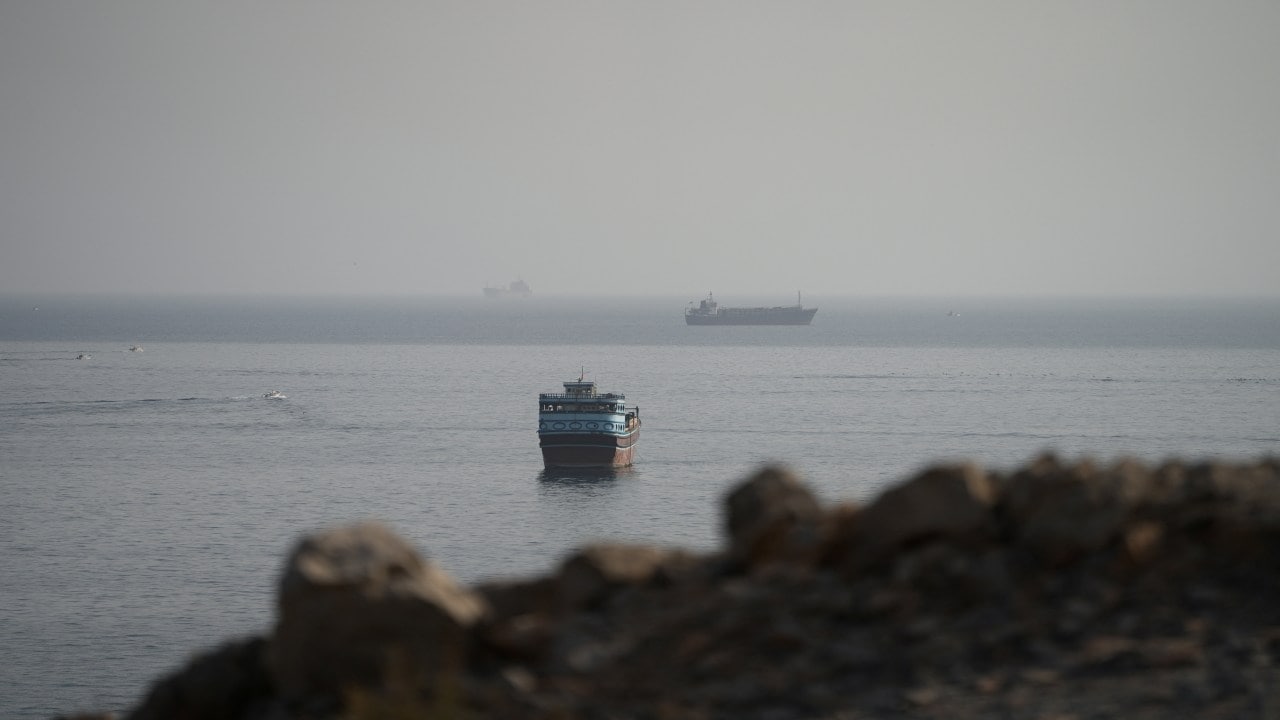
The U.A.E. successfully used a combination of routing oil across the desert around the blockade in Hormuz and sneaking ships through the strait to get its oil exports back to prewar levels by the middle of the year, according to ship tracker Vortexa.
Those gains have been eroded by Iranian attacks. The U.A.E.’s state oil company Adnoc said out of 16 of its ships struck since the beginning of the war, four were hit by missiles or drones this past week.
Producers can ease the stranglehold on Hormuz with workarounds, but “it has not been enough to render Iran’s veto irrelevant,” said Eric Alter, the dean of the Anwar Gargash Diplomatic Academy in Abu Dhabi.
Attacks by Yemen’s Iran-backed Houthi militia on shipments of Saudi oil that was pumped across the Arabian Peninsula to the Red Sea and a drone attack on a port on Egypt’s Mediterranean coast that set fire to two ships, including a U.S. gas-storage tanker, demonstrated the vulnerability of the alternatives to Hormuz.
Gulf officials say their Iranian counterparts have threatened throughout the conflict to target regional energy infrastructure if President Trump follows through on his threats to escalate. In recent days, Iran has sent warnings it would strike every energy facility in the Gulf.
Officials in the region acknowledge their energy and water facilities are vulnerable and likely key targets for Iran as a way to disrupt energy supplies and put pressure on the U.S.
Between Feb. 28 and July 30, Iran and its allied militias in Iraq have conducted at least 172 attacks on nonmilitary infrastructure across the six Arab Gulf states, according to Armed Conflict Location and Event Data, a U.S.-based conflict monitor. Energy facilities including oil infrastructure, gas plants and power and desalination plants accounted for about half of the attacks.
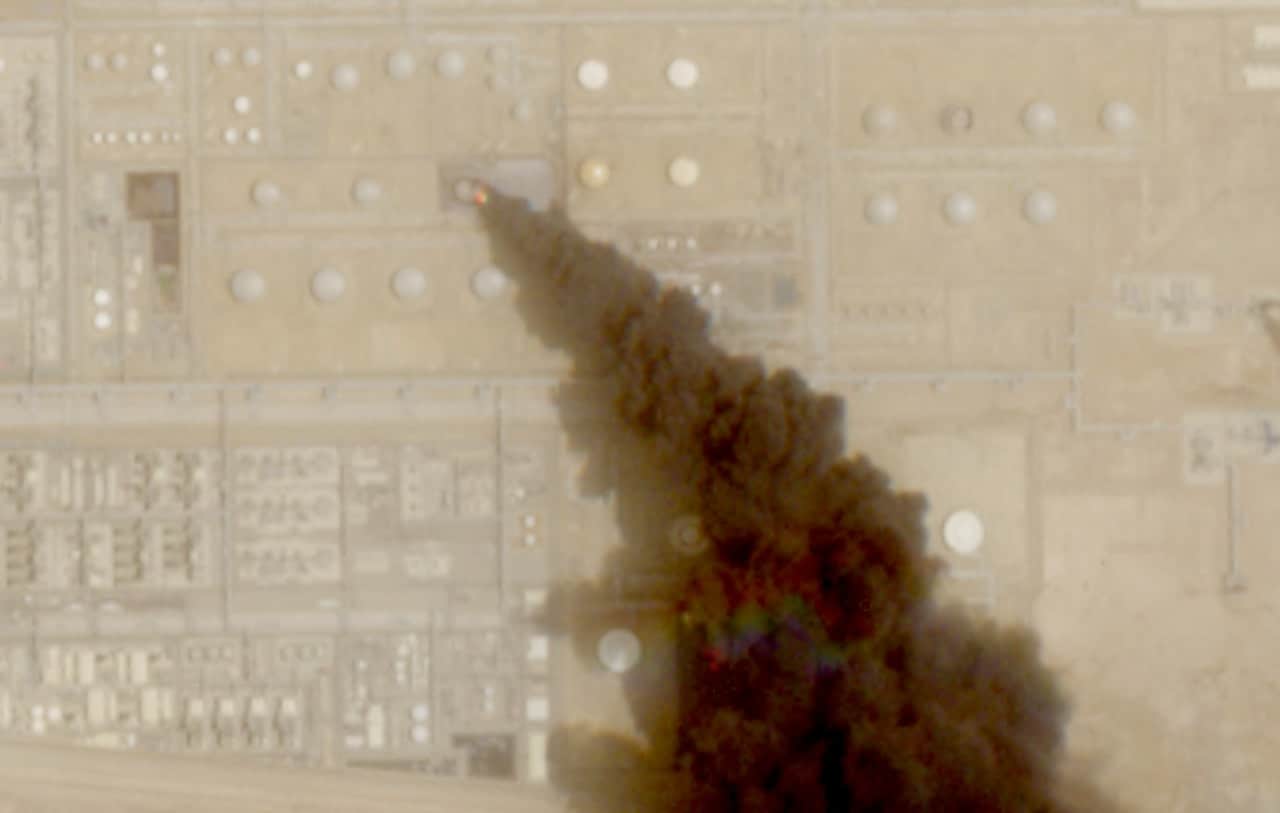
On Sunday, the Houthis claimed responsibility for an attack on a Saudi refinery in Jizan on the Red Sea, after also claiming an earlier strike there in late July. The Saudi Energy Ministry confirmed a fire occurred at the facility but not its cause.
A near-term deal to reopen the strait could ease Gulf energy shipments but wouldn’t remove the threat, said Ellen Wald, senior fellow at the Atlantic Council’s Global Energy Center.
“After five months of conflict, it is understandable why Gulf states are eager to find a way to increase maritime traffic through the strait,” Wald said. “But ceding control over inbound and outbound traffic to Iran, even on a ‘temporary’ basis, will not resolve the larger issues and leaves their exports subject to Tehran’s whims for the foreseeable future.”
Write to Summer Said at summer.said@wsj.com and Benoit Faucon at benoit.faucon@wsj.com


