
 E-Paper



Niazi's supporters go after the Army, PM Sharif enroute to Pakistan
Pakistan public anger may dissipate today unless the apex court of Pakistan provides relief to the incarcerated mercurial leader.

 Prefer HTon Google


Prime Minister Shehbaz Sharif is enroute from London to riot hit Pakistan after the arrest of PTI Chief Imran Niazi on charges of corruption in Al Qadir Trust case. While Sharif has called for a Cabinet meeting at 6 pm today, it is still not clear when Pakistan Army Chief Gen Asim Munir returns to Rawalpindi from Oman.
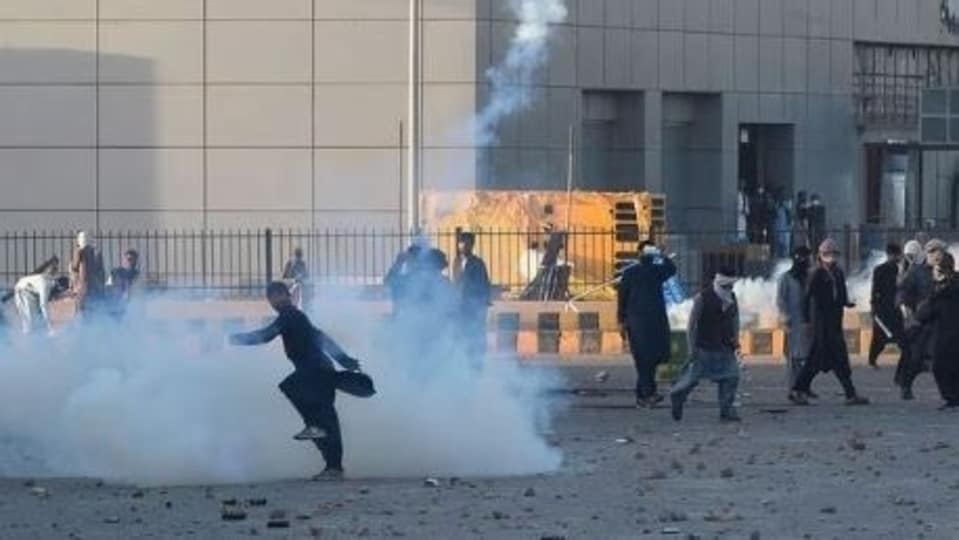
While Imran Niazi will be produced before the court anytime soon, the former PM faces indictment in the Toshakhana case today amidst on-going protests by PTI supporters. The PTI party leadership is also expected to meet the Chief Election Commission later in the day.
While PTI supporters vented their fury post Imran Niazi arrest on public property, their main target was once venerable Pakistan Army Institutions all over the country with no retaliation from the latter. The Pakistan diaspora also protested the arrest of Niazi by holding demonstrations from Toronto to Atlanta besides in various cities of the UK.
With their main leader Niazi facing serious corruption charges and other PTI leaders under watch, the Pakistan public anger may dissipate today unless the apex court of Pakistan provides relief to the incarcerated mercurial leader. But in the meantime, the protestors by taking on the high and mighty Pakistan Army have seriously hit at the credibility of Rawalpindi GHQ with total confusion within the military and political leadership.
Pakistan today faces a triple whammy from a weakened military, discredited politicians, and a spiraling down economy with the west looking the other way since Pakistan Foreign Minister Hina Rabbani Khar advocated strategic ties with iron brother China over the US in a leaked memo to Shehbaz Sharif. With Niazi targeting US in the past for ousting his government, neither America nor legacy ally UK is willing to intervene in the current chaos. “Honey and milk” ally China is likely to play both sides after investment of billions of US dollars into Pakistan's economy and infrastructure.
The problems of Pakistan are not limited to the political flux in the Islamic Republic but also its dwindling economy with the possibility of the country going into loan default if it does not get IMF support before June. The country’s foreign exchange reserves are at a rock bottom with skyrocketing food prices and rising energy costs. To add to this is the threat from terror groups in Khyber-Pakhtunkhwa, Sindh, and Baluchistan to the ruling Punjab with Rawalpindi’s own child, the Taliban, adding to the pressure on the Durand Line.
Pakistan’s situation is expected to take a deep dive before any expected recovery unless the Pakistan Army Chief Gen Asim Munir shows his leadership in maintaining law and order and rising resentment against him within the Rawalpindi GHQ. Prime Minister Shehbaz Sharif needs to put his head down and deliver on Pakistan rather than making frequent visits to London to seek advice from his exiled brother Nawaz or to the Middle East to beg for economic support. Pakistan today is not very different from Sri Lanka in 2022, except the enemy of the public in Islamic Republic is the Army and not the political leadership as was in Colombo last year.
(EOM)


