Raising its concerns over “militarisation of significant aspects of decision-making” in Pakistan, the Human Rights Commission of Pakistan on Monday said the civilian government is allowing key matters to slip out of its hands which would have grave implications for the country’s democratic future.
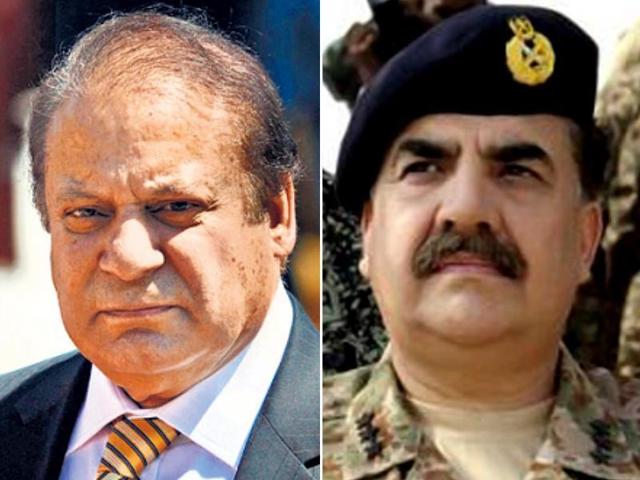
“HRCP wishes to voice its grave concern over militarisation of significant aspects of decision-making and the civilian government increasingly ceding space to the military establishment,” the Human Rights Commission of Pakistan (HRCP) said in a statement in Lahore.
The rights body said the civilian government is allowing important matters to slip out of its hands which would have grave implications for Pakistan’s democratic future.
Military dictators have ruled Pakistan for more than half its 70-year history, and the armed forces are widely seen as controlling the country’s foreign and defence policies.
“It is alarming that this is happening amid the sabre- rattling between Pakistan and India. The jingoism from both sides is deplorable and must cease immediately. The need for peace cannot be stressed enough. We call upon the media to play its role in building peace rather than beating the drums of war,” HRCP said, commenting on the increasing tensions between India and Pakistan.
“The build-up of tensions between the two countries is diverting attention from the urgent need to resolve the lingering Kashmir dispute according to the wishes of the people of the disputed region,” it added.
{{/usCountry}}“The build-up of tensions between the two countries is diverting attention from the urgent need to resolve the lingering Kashmir dispute according to the wishes of the people of the disputed region,” it added.
{{/usCountry}}It said: “The authorities’ systematic attempts to try and harass HRCP, other civil society organisations and educational institutions through visits by intelligence and security agencies’ personnel and other ploys have led to a general climate of fear and intimidation. However, we will not be cowed down by these deplorable tactics and will continue to call for respect for rights and highlight violations.”
The HRCP said it has been greatly perturbed by numerous concerns in the context of internal displacement from North Waziristan Agency.
Insensitive handling of the repatriation exercise has fuelled hopelessness and anger. These matters need to be investigated and things set right, the HRCP said, adding FATA reforms have been a longstanding demand of citizens.
The rights body also expressed concerns over widespread misuse of anti-terror laws in Gilgit-Baltistan and said that activists and journalists in the region were being harassed.
“An HRCP fact-finding mission to Gilgit-Baltistan has noted arbitrary decisions being taken there and activists and journalists being harassed. There is widespread misuse of anti-terror laws.
“The people there are frustrated that their demand for a clear constitutional status, either as part of Pakistan or as a region with a special status, remains unfulfilled,” it said and pressed the government to address these issues.