Iran on Sunday issued a stern warning to the US as the West Asian nation anticipated renewed attack from its western enemy. Iran's army spokesperson Mohammad Akraminia reportedly said that the country is ready for confrontation and will inflict greater damage on the US, the state media reported.
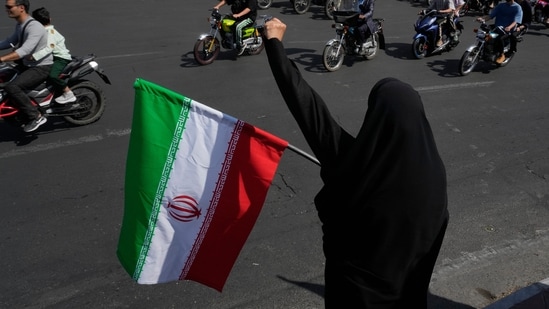
The Iranian military's statement came after US President Donald Trump reportedly voiced his rejection of a seven-day proposal for reopening the crucial Strait of Hormuz. "They made a proposal but I rejected it,” Trump said Saturday. “They want to make a deal where they open the strait immediately because they’re losing so badly," he claimed.
ALSO READ: 'Only negotiated solution can end deadlock': Iran as Trump rejects peace plan
Deep Dive
What was Iran's response to the US rejection of their proposal for reopening the Strait of Hormuz?
Why does Iran emphasize the importance of the Strait of Hormuz in its negotiations with the US?
How did the US President Donald Trump justify rejecting Iran's proposal regarding the Strait of Hormuz?
Despite Trump's remarks, foreign minister Abbas Araghchi on Saturday said Iran was awaiting a definitive US response through mediators Qatar and Pakistan, according to state-run broadcaster IRIB.
“The US president has made some good remarks as well as many contradictory ones, which unfortunately we hear from him frequently,” Araghchi was quoted as saying. The Iranian minister called for “negotiated solution”, saying only talks can resolve the impasse over the key waterway.
Deal to reopen Strait of Hormuz
{{/usCountry}}“The US president has made some good remarks as well as many contradictory ones, which unfortunately we hear from him frequently,” Araghchi was quoted as saying. The Iranian minister called for “negotiated solution”, saying only talks can resolve the impasse over the key waterway.
Deal to reopen Strait of Hormuz
{{/usCountry}}Negotiators of the US and the Islamic Republic of Iran were exploring a deal that would see Tehran reopen the strait and Washington lift a blockade of Iranian ports, Bloomberg reported, citing a person familiar with the matter.
The pact would have been similar to the memorandum of understanding reached by the two sides in mid-June, which resulted in a fragile ceasefire that soon broke down.
ALSO READ: Mojtaba Khamenei 'pulled from rubble' after US strikes nearly killed him again: Report
No end to hostilities
On Saturday, Saudi Arabia’s capital Riyadh was attacked by Yemen's Houthi militants, an Iranian-backed group. This came as a sign of Iran stepping up hostilities against US allies in the Middle East.
According to a previous report by The Wall Street Journal, Trump expects to resume the bombing campaign against Iran after the US midterm elections in early November and remains skeptical that Tehran will meet his demands.
Trump declined to answer when asked whether he would resume the bombing after the midterms.
Speaking at the United Nations General Assembly in New York last week, Iranian President Masoud Pezeshkian said Tehran would not allow freedom of navigation through the Strait of Hormuz as long as US sanctions and a blockade remain in place.
He also said Iran would not relinquish its right to develop nuclear technology for economic purposes.
(With inputs from Bloomberg)