
 E-Paper



Prince Harry's dig at royal family: 'Didn't have support, network or advice'
Prince Harry said he "didn't have that support structure, that network or that expert advice to identify actually what was going on with me".

 Prefer HTon Google


Prince Harry admitted "no one around me could really help" and he had no support network after he returned from war in Afghanistan as it triggered the trauma of losing his mother Princess Diana. The Duke of Sussex' sly dig at the royal family was made in his new Netflix docuseries Heart Of Invictus, which follows a group of service members on their road to the Paralympic-style sporting competition which Harry set up in 2014.
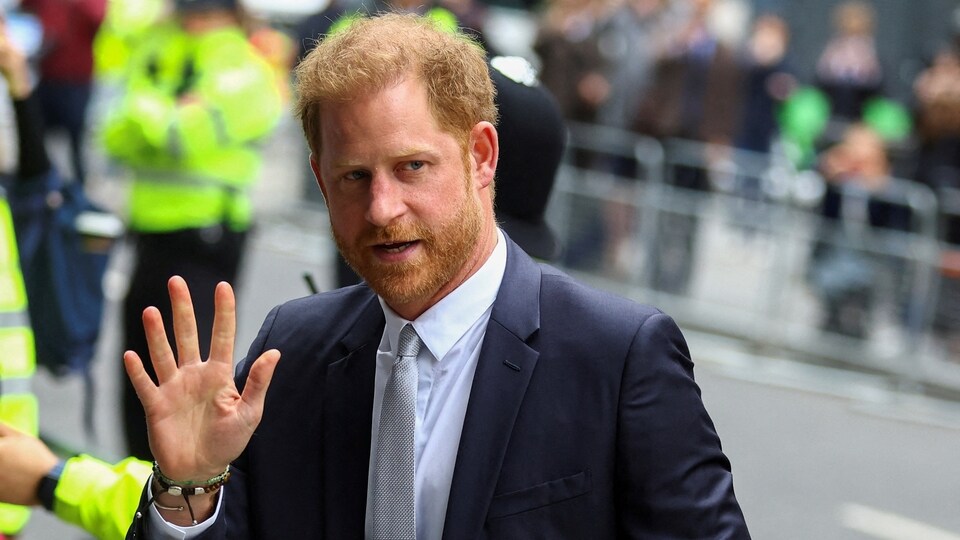
Prince Harry "didn't have that support structure, that network or that expert advice to identify actually what was going on with me" after admitting he was angry when he returned from a tour of duty. He also said that returning from Afghanistan triggered unresolved trauma caused by the tragic death of his mother Diana in 1997, when Harry was just 12 . He only considered therapy once he was left “lying on the floor in the foetal position”, he said.
Read more: ‘No one to help me’: Prince Harry talks about unravelling after Afghanistan tour
In swipe at the royal family, Prince Harry said: “Look, I can only speak for my personal experience, my tour of Afghanistan in 2012 flying Apaches, somewhere after that there was an unravelling and the trigger for me was actually returning from Afghanistan.”
“But the stuff that was coming up was from 1997, from the age of 12, losing my mum at such a young age, the trauma that I had I was never really aware of, it was never discussed, I didn't really talk about it - and I suppressed it like most youngsters would have done but when it all came fizzing out I was bouncing off the walls, I was like what is going on here, I am now feeling everything as apposed to being numb.”
“The biggest struggle for me is no-one around me could really help, I didn't have that support structure that network or that expert advice to identify what was actually going on with me. Unfortunately, like most of us the first time you really consider therapy is when you are lying on the floor in the foetal position probably wishing you had dealt with some of this stuff previously and that's what I really want to change.”


