E-Paper



‘Stop accommodating American, Israeli aggressors’: Iran hits out after UAE, allies criticise Strait of Hormuz block
The response follows a coordinated warning by the coalition, which condemned Iran’s actions targeting commercial vessels and energy infrastructure in the Gulf.

 Prefer HTon Google


Iran’s embassy in Japan has hit back at a UAE-led joint statement backed by several countries, urging signatories to “stop accommodating the American and Israeli aggressors” as tensions intensify over the Strait of Hormuz.
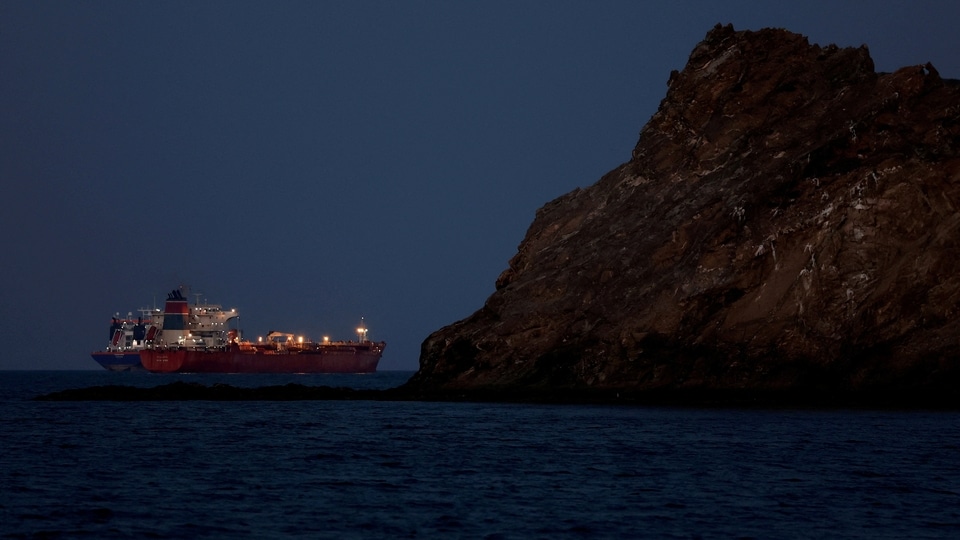
The response follows a joint statement issued by the UAE, along with several countries, which condemned Iran’s actions targeting commercial vessels and energy infrastructure in the Gulf. “We condemn in the strongest terms recent attacks by Iran on unarmed commercial vessels in the Gulf, attacks on civilian infrastructure including oil and gas installations, and the de facto closure of the Strait of Hormuz by Iranian forces,” the leaders said.
A joint statement was earlier issued by the United Arab Emirates along with several countries, including the United Kingdom, France, Germany, Italy, the Netherlands, Japan, Canada, the Republic of Korea, New Zealand, Denmark, Latvia, Slovenia, Estonia, Norway, Sweden, Finland, Czechia, Romania, Bahrain, Lithuania and Australia, addressing the situation in the Strait of Hormuz.
Also read| 'If Iran doesn't...': Trump's threat to Iranian power plants over Strait of Hormuz
Responding directly, the Iranian embassy challenged the premise of the criticism, questioning the state of the strategic waterway before what it described as the “illegal war of aggression by the American and Israeli regimes.”
In a post addressed “to all the signatories,” it argued that while global trade and energy flows benefited from uninterrupted passage through the Strait, Iran—despite facing “constant U.S. disruptions”—continued to ensure safe transit, calling it an example of restraint under pressure.
Taking aim at the joint statement, the embassy said countries should “stop accommodating the American and Israeli aggressors” rather than issuing repeated condemnations. “Don't try to outdo each other with these statements. Stop the aggression itself,” it said, warning that such responses only allow aggressors to “continue with their destabilizing mission.”
Also read| Japan could consider Hormuz minesweeping if US-Iran ceasefire reached, says foreign minister
The UAE-led bloc, however, maintained that the situation remains a serious threat, calling on Iran to immediately halt threats, mining activity, and drone and missile attacks, and to comply with UN Security Council Resolution 2817.
Stressing the importance of global shipping routes, the countries said, “Freedom of navigation is a fundamental principle of international law, including under the United Nations Convention on the Law of the Sea,” cautioning that disruptions could have far-reaching consequences, particularly for vulnerable nations.
They also termed interference with maritime trade and energy supply chains a threat to international peace and security, calling for an immediate halt to attacks on civilian infrastructure, including oil and gas facilities.
The coalition said it is prepared to support efforts to ensure safe passage through the Strait and stabilise energy markets, including through coordinated petroleum reserve releases and increased output, while extending support to the most affected nations through international institutions.