E-Paper



Taliban’s new deputy intelligence chief ran suicide attack network
Taj Mir Jawad, the man named as the deputy intelligence chief in the new Taliban setup in Afghanistan, has been described by security and intelligence officials of several countries as the head of a network of suicide bombers responsible for deadly attacks on Kabul

 Prefer HTon Google


Taj Mir Jawad, the man named as the deputy intelligence chief in the new Taliban setup in Afghanistan, has been described by security and intelligence officials of several countries as the head of a network of suicide bombers responsible for deadly attacks on Kabul.
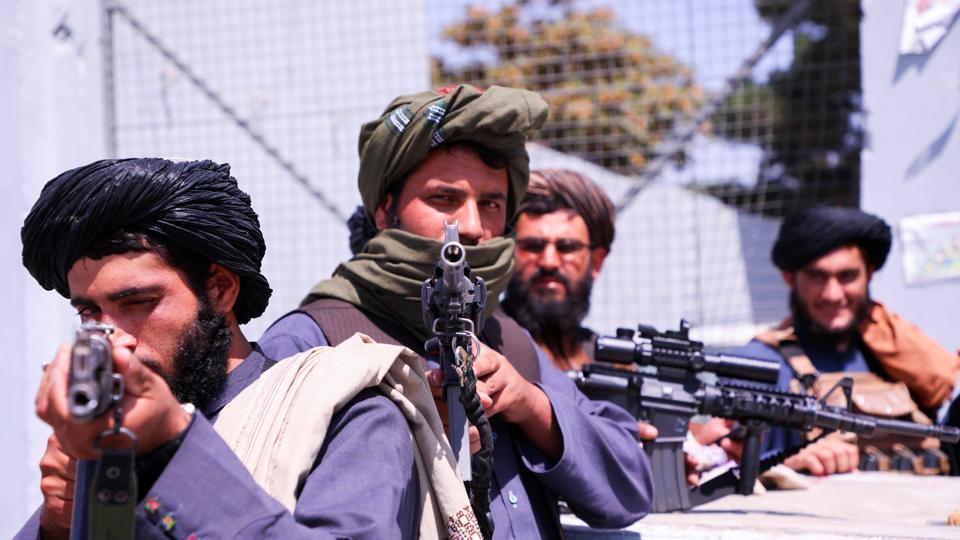
Jawad, considered a member of the inner circle of the Taliban’s military setup, was among 33 leaders appointed to a so-called caretaker government that was announced by spokesman Zabiullah Mujahid on Tuesday. He will serve as the first deputy to the new intelligence chief, Abdul Haq Wasiq.
Also watch | Taliban announce interim govt: Terrorists Mullah Hasan Akhund PM, Sirajuddin Haqqani home minister
Several serving and former security officials of various countries said Jawad had a hand in some of the most devastating suicide attacks carried out in Kabul in recent years, with one official describing him as “bad news”.
Another former Western intelligence official, who like the others spoke on condition of anonymity to discuss sensitive matters, said Jawad directed suicide networks and was “tight with Pakistan’s security establishment”.
Also Read | US lawmakers say there’s nothing ‘more moderate’ about the new Taliban regime
Rahmatullah Nabil, who served as head of Afghanistan’s spy agency, the National Directorate of Security (NDS), had in 2018 blamed Jawad, also known as Maulvi Zabiullah, of supervising the Al-Hamza Martyrdom Brigade, a training centre for suicide bombers.
Nabil had also said at the time that the suicide attacker who killed Gen Abdul Raziq Achakzai, a police chief who successfully countered the Taliban in its traditional stronghold of Kandahar, was trained by the Al-Hamza Martyrdom Brigade.
Jawad was largely based in the northwestern Pakistani city of Peshawar at the time and had planned the killing of Gen Raziq with Mullah Shireen, a member of the Taliban’s Quetta Shura or council, named after the Pakistani city where it is based.
While conducting what was described as an experiment with explosives with some Arabs at Mir Ali in Pakistan’s tribal belt, Jawad was injured in an accidental blast. Jawad was taken by the ISI with a Pakistani passport to Sri Lanka for treatment but it was unsuccessful, Nabil said.
Jawad was brought back to Karachi for further treatment before he was relocated to Peshawar, Nabil said.
The Long War Journal, a website that closely tracks jihadi groups, had reported as far back as 2013 that Jawad was also a senior commander in the dreaded Haqqani Network and jointly led what was referred to as the “Kabul Attack Network” with another Taliban commander named Dawood, who was the shadow governor for Kabul.
“The Kabul Attack Network operates in the capital and in the surrounding provinces of Wardak, Logar, Nangarhar, Laghman, Kapisa, Khost, Paktia, and Paktika. It has executed numerous high-profile attacks in the capital over the years. Al Qaeda, Lashkar-e-Taiba, the Islamic Movement of Uzbekistan, and the Hizb-i-Islami Gulbuddin also participate in operations directed by the Kabul Attack Network,” the Long War Journal had reported.