
 E-Paper



The factory town known as China’s furniture capital is fighting to survive
The U.S. lost much of its furniture industry to China years ago. Now, American tariffs and overseas competition are punishing manufacturers.


 Prefer HTon Google


FOSHAN, China—At the beginning of this century, China’s rise as the world’s factory floor devastated furniture manufacturers in the foothills of North Carolina, part of a phenomenon known as the “China Shock” that put swaths of Americans out of work.
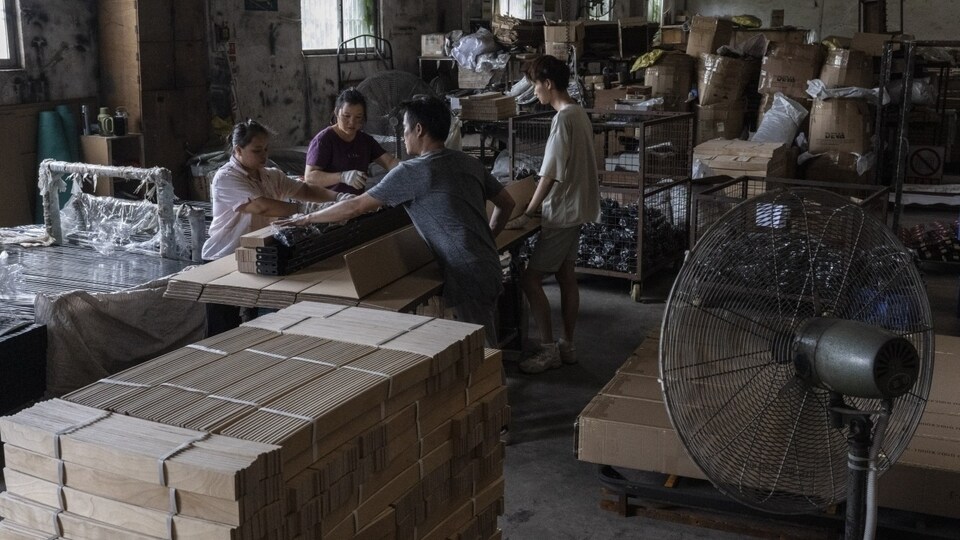
These days, it is China’s furniture capital, Foshan, that is fighting to survive.
Hit by new tariffs from the Trump administration last year, China’s exports of furniture and related products declined 6.8% in 2025. The economy of Foshan, a factory town in the heart of southern China’s Pearl River Delta, grew just 0.2% last year, dragged down by a contraction in manufacturing, compared with China’s overall 5% growth, according to government data.
Furniture and other low-end, low-margin goods have been easier to move out of China than high-tech products. Manufacturing these goods isn’t easily automated, and labor costs are lower in surrounding countries in Southeast Asia. Beijing has been prioritizing cutting-edge technologies, such as artificial intelligence, semiconductors and robotics.
While China is increasingly dominating high-tech industries, the low-value manufacturing sectors that powered the country’s rise are becoming less important economic drivers. In factory towns that make toys, shoes and other cheap goods along China’s coast, many migrant laborers who returned to their rural hometowns for the Lunar New Year holiday in February didn’t come back because they were let go from their jobs or work had gotten harder to come by.
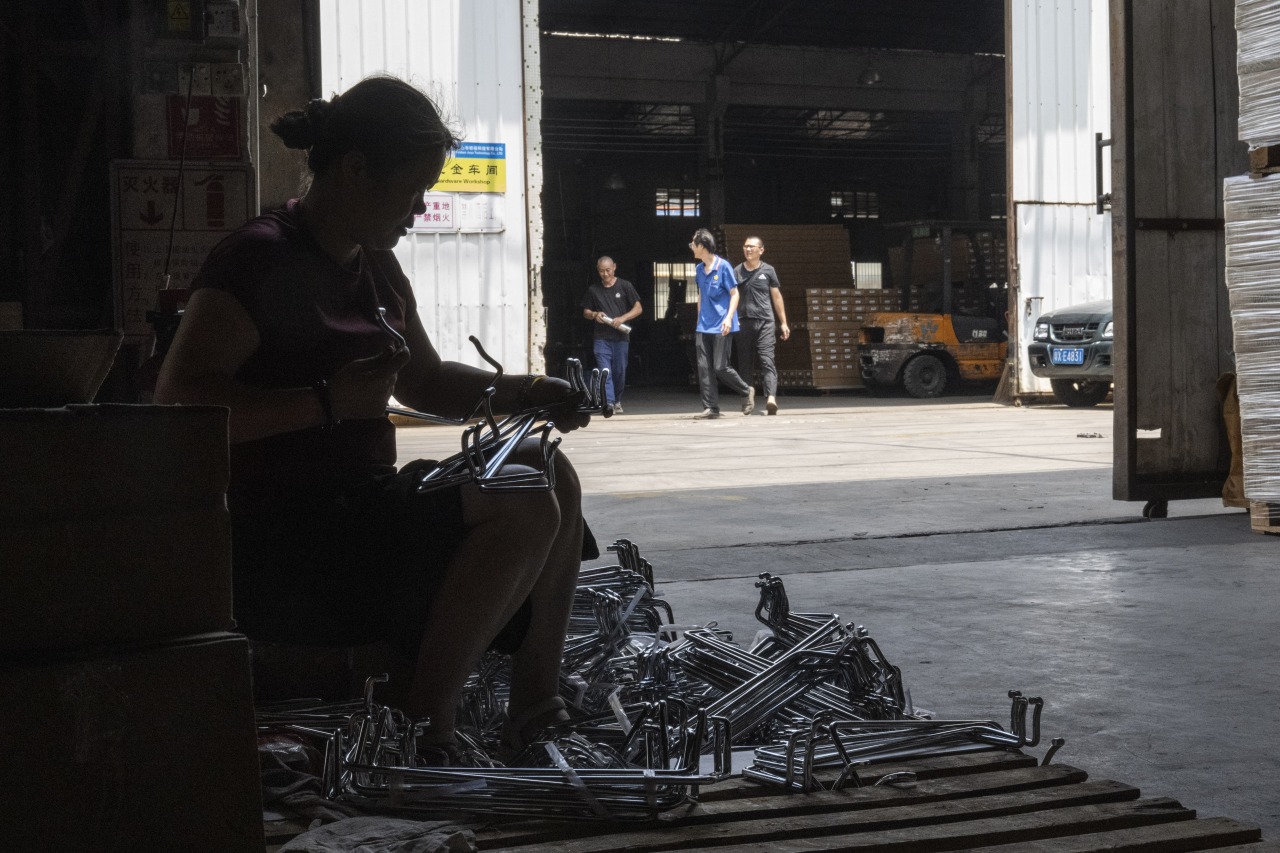
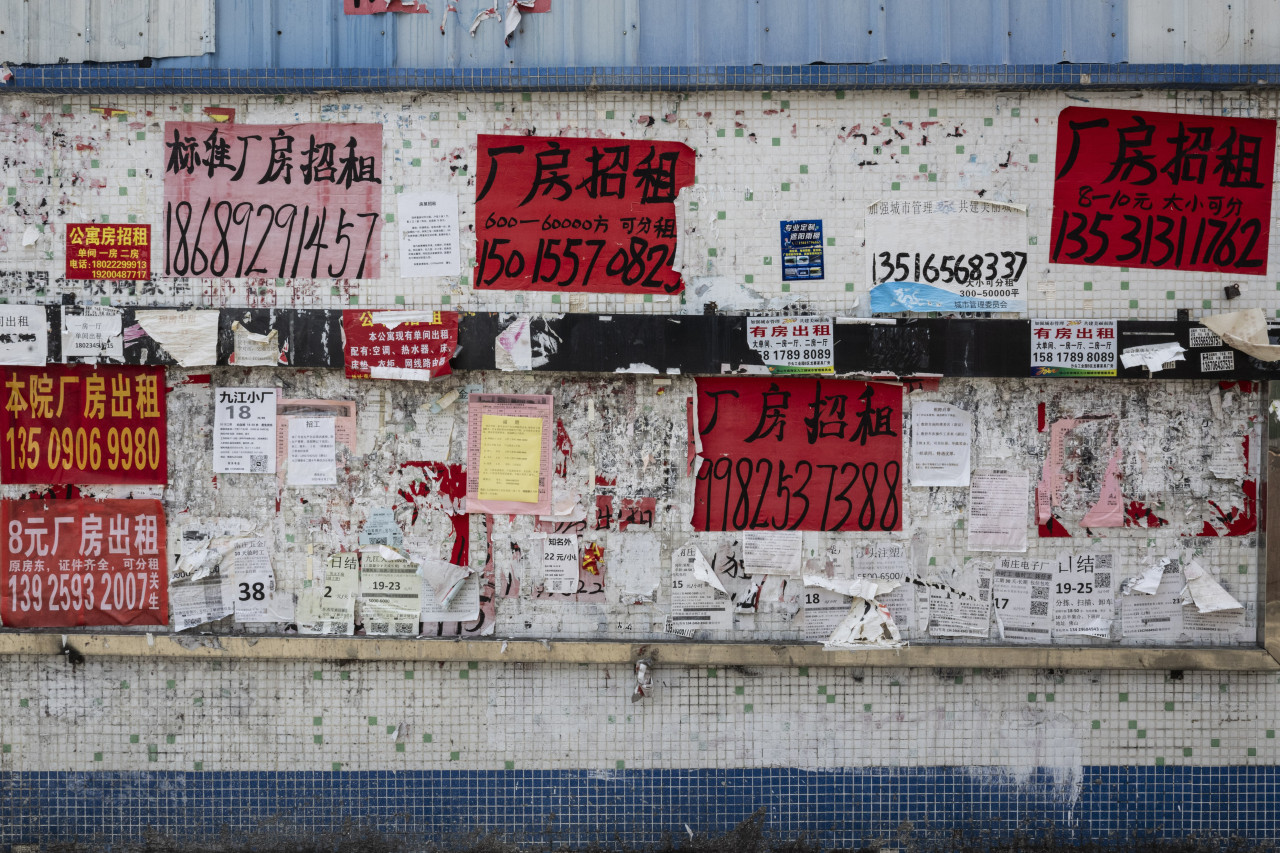
Much like the factories in Hickory, N.C., did in the aftermath of the China Shock, manufacturers in Foshan are now trying to move upmarket, focusing on higher-end furniture and custom designs.
“We have to uplift ourselves,” said Ken Huo, a furniture exporter in Foshan.
For many years, Foshan’s factories could depend on a steady stream of massive orders from big-box American retailers such as Walmart and Home Depot. Then, when Trump put tariffs on Chinese goods in his first term, Americans began buying less of their furniture from China and more from countries such as Vietnam and Mexico.
Around 2021, China’s real-estate boom turned to bust, drying up domestic demand for furniture. Then, after Trump returned to the White House last year, the U.S. imposed new tariffs on all Chinese goods—briefly exceeding 100%. There is currently a 25% duty on certain furniture from China.
Some Foshan factory owners have shifted production to Southeast Asia to avoid tariffs. Others have scrambled to make up for lost U.S. sales with new customers in other regions.
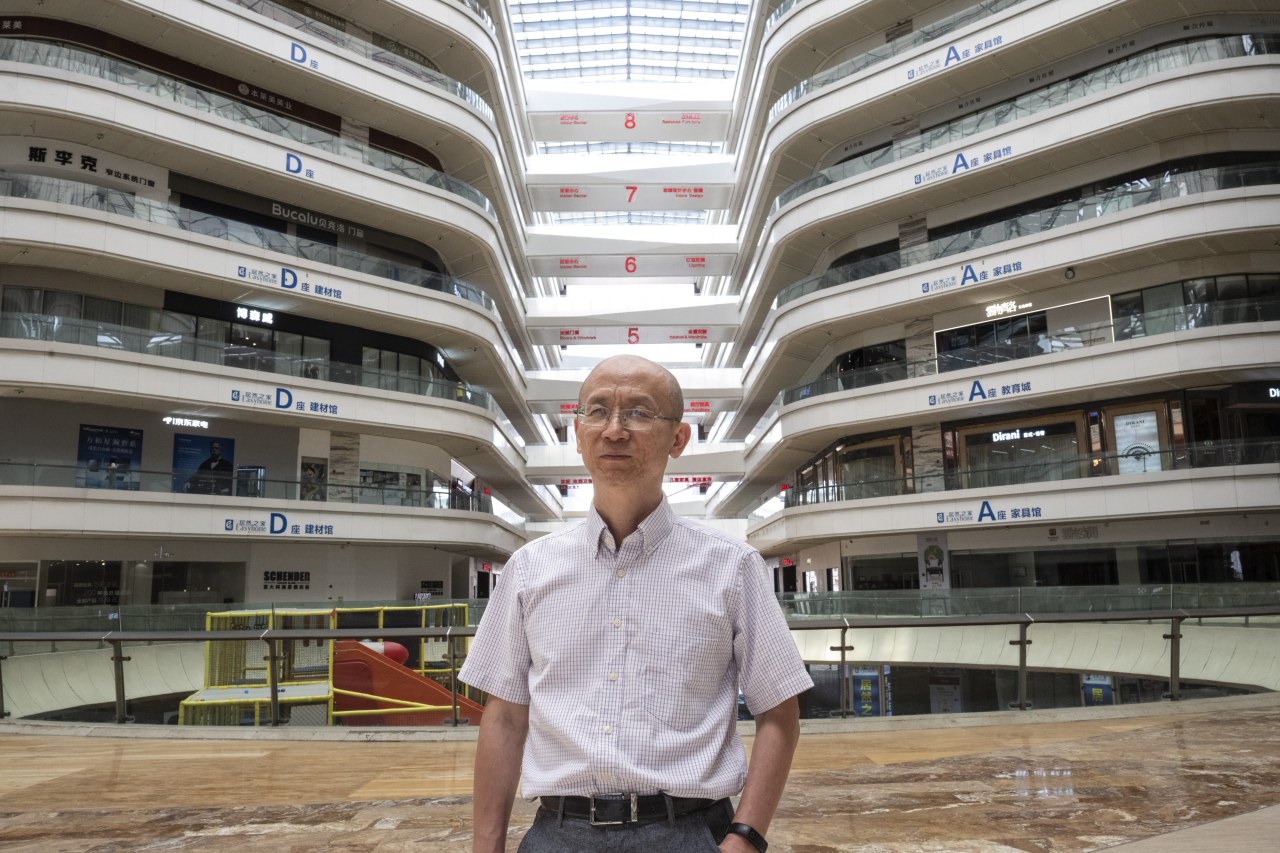
Huo, a Foshan native, has lived through it all. Since 1990, he has sold home goods and furniture to foreign buyers, first working for factories, then starting his own business. A fluent English speaker, he advises local manufacturers on export strategies and is a middleman for overseas sales, including selling products on Wayfair and Amazon.
The past year has been trying. The scale and speed with which Trump imposed tariffs last year surprised Huo and others in the industry. Seemingly overnight, Huo’s U.S. sales, which account for about half of his revenue, declined around 15%. To save money, Huo moved into a smaller office last year inside one of Foshan’s biggest furniture expo centers, Easyhome. He boosted business from other regions to keep revenue steady last year.
Many Chinese furniture manufacturers have struggled to adapt. China’s exports to the U.S. of furniture and related products fell 18% last year and have continued falling this year. Around Huo’s office, Easyhome resembles a ghost town, with swaths of empty offices and stores across its eight floors.
Challenges keep mounting. The war in Iran has weighed on demand from the Middle East, which had been a quickly growing source of demand for Chinese furniture. The conflict also threatens to depress the global economy, which could curb orders from regions around the world.
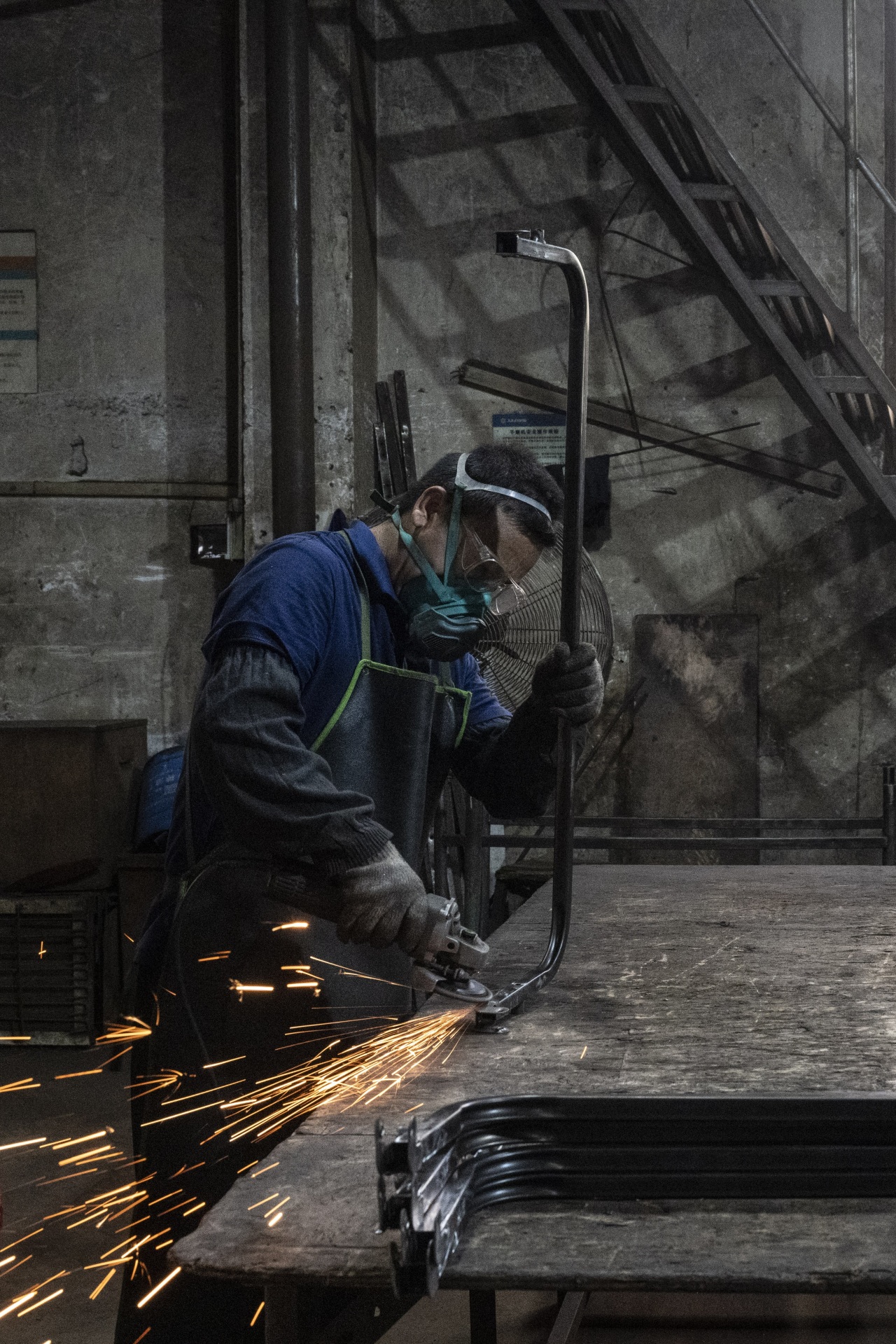
In an industrial park elsewhere in Foshan, Julei, a bed-frame factory operating for 26 years, is trying to adapt to the new reality. Walmart used to be a major customer of Julei’s, but the retailer shifted those orders to Southeast Asia after tariffs were introduced during Trump’s first term. Last year, Trump raised tariffs on steel and aluminum to 50%, including goods made with those metals, such as Julei’s bed frames. That erased any remaining U.S. sales for the company. Last month, the Trump administration overhauled the tariff to be 25% for finished products made with the metals.
In an attempt to attract more buyers, Julei is rolling out new higher-tech bed frames, including those that can be adjusted electronically. It bought a new automated cutting machine last year to help boost productivity. So far, Julei has avoided large-scale layoffs of its more than 100 factory workers, most of whom are in their 40s and 50s and have worked at the company for decades.
“The boss is pretty compassionate,” said Nicole Luk, a salesperson at Julei.
Julei found new customers in Europe and the Middle East last year, but the war in Iran is creating uncertainty about the outlook this year. At a furniture expo in neighboring Guangzhou in March, there were fewer prospective buyers than previous years, according to Luk, who thought attendance was affected by the war.
“The entire landscape is changing very quickly,” said Luk. “It’s very hard to predict.”
Traditionally, many furniture factories in Foshan have relied on orders from retailers that would then sell the products to consumers. Now, more are attempting to go directly to the end customer to control more of the transactions.
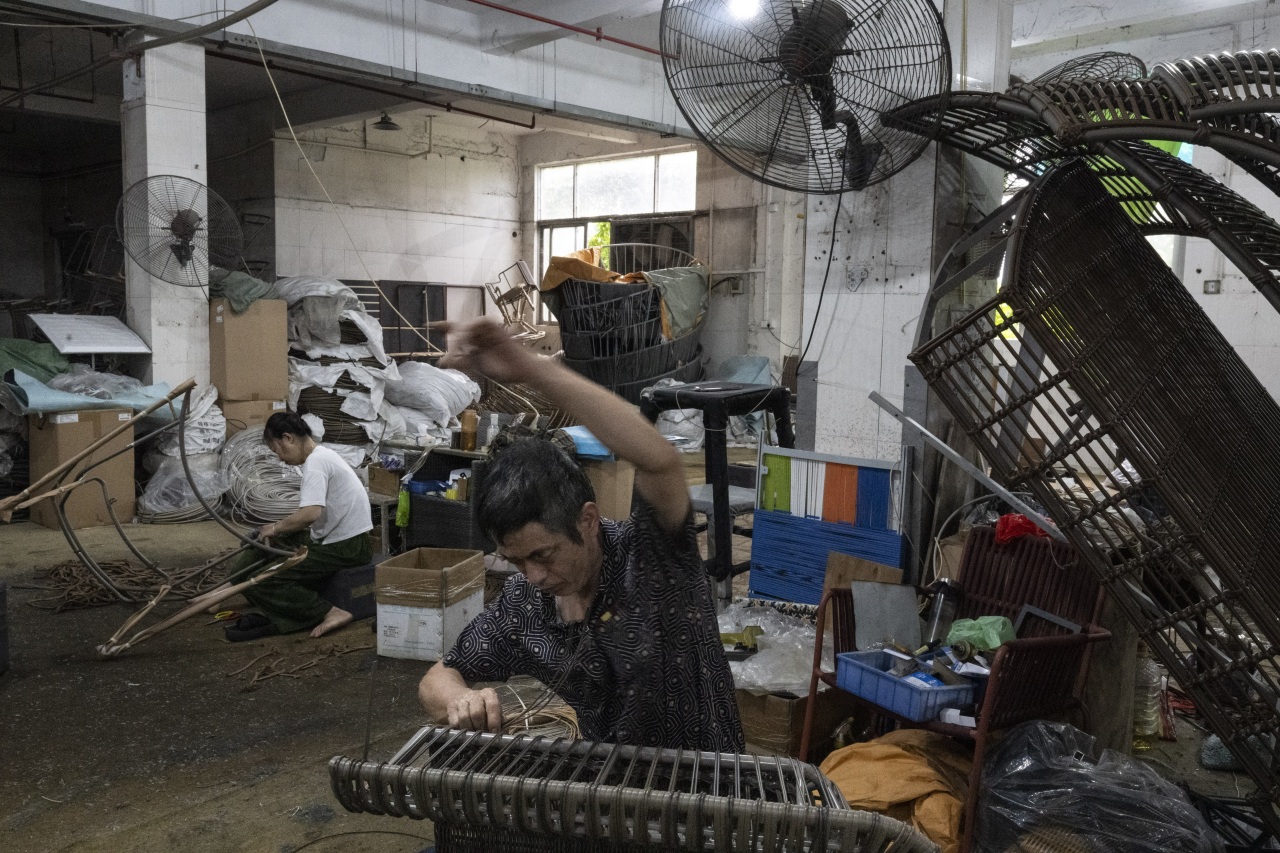
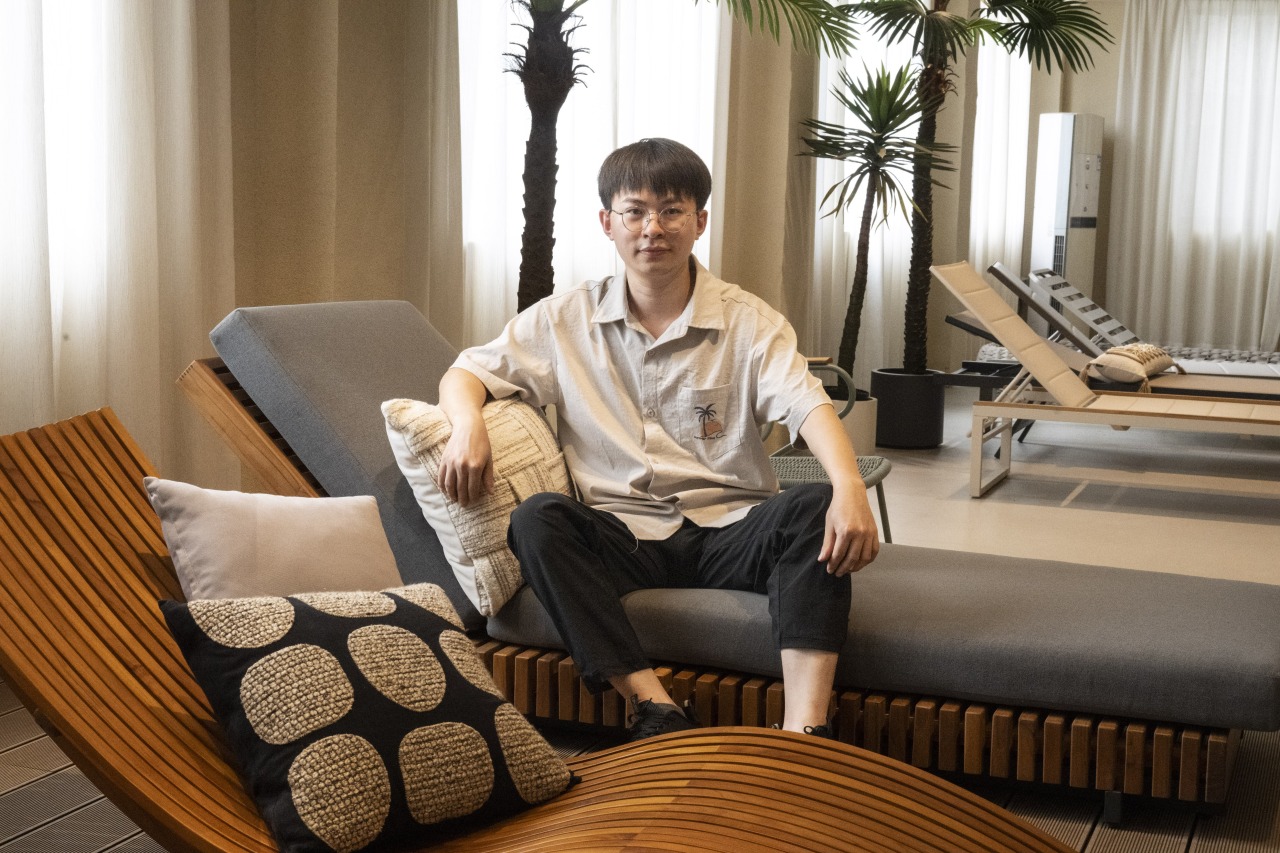
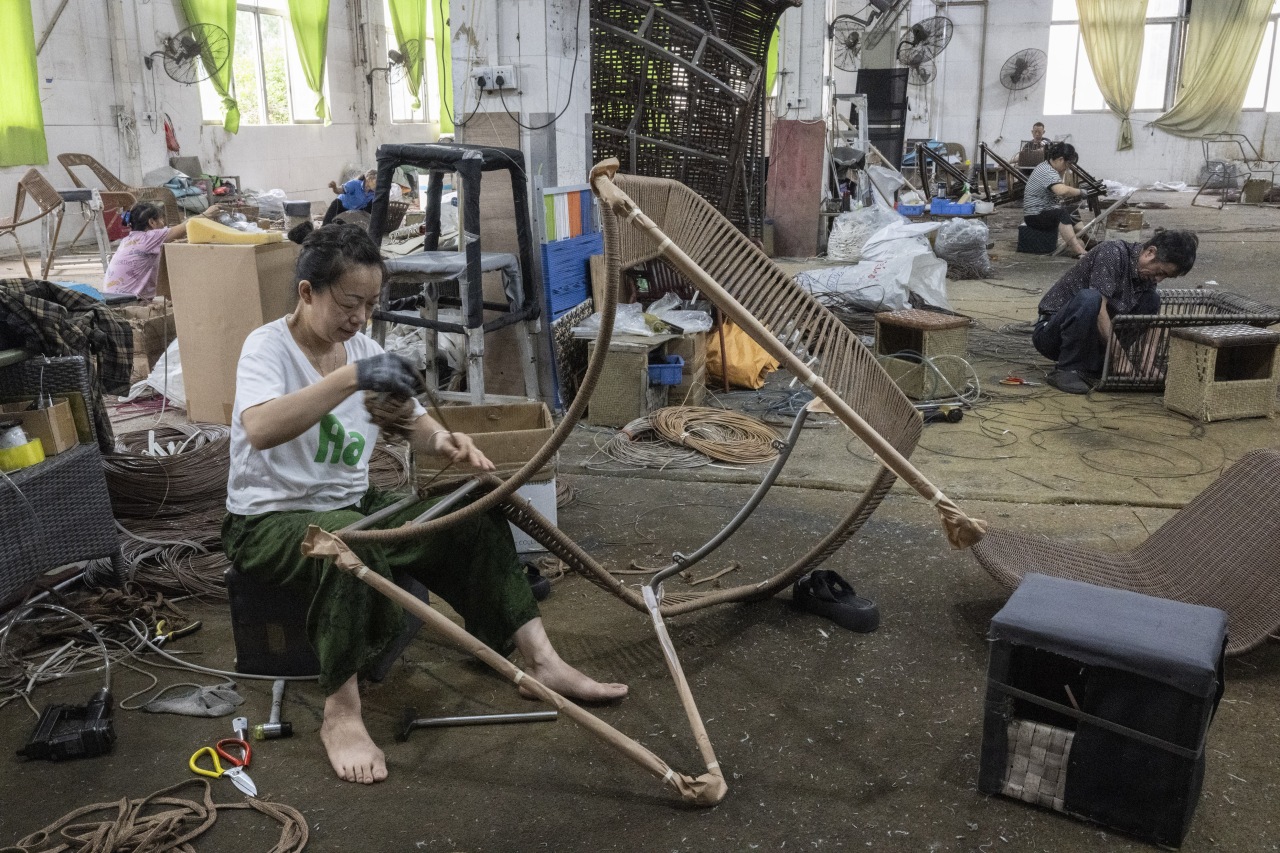
Ciaoweather, an outdoor-furniture maker in Foshan, created a studio above the factory floor to take photos of their original-design products to market on social media.
“Who knows what the future holds? Perhaps we really won’t be working in factories anymore, or perhaps Chinese factories will have already moved away. Instead, we’ll be focusing more on branding and design,” said Joe Tang, sales director of Ciaoweather, whose father started the factory two decades ago.
Manufacturers are also trying to go upmarket. Foshan’s luxury furniture expo center, called the Louvre, bustled with international buyers on a recent weekday. At the less high-end mall next door, Sunlink Furniture City, sales associates scrolled on their phones with few passersby.
Huo, the industry veteran, said he is focused on using social media to market products directly to customers and securing custom design projects that come with smaller order quantities but higher profit margins.
He believes China will remain an important hub for furniture manufacturing, even if other countries gain market share.
“Who can replace China?” he said.
Grace Zhu contributed to this article.
Write to Hannah Miao at hannah.miao@wsj.com


