Over the past six months President Donald Trump has been all over the place on Ukraine. He said he could end the war in 24 hours. Then, while negotiating with Russia, he threatened to cut off the supply of weapons to Ukraine. In the past week he has signalled renewed enthusiasm for supporting Ukraine. His spectacular pivot involves ambiguity, theatre and cynicism. Yet it creates a pathway for Ukraine and its supporters to stabilise a weakening position. They must take it.
Instead of giving Americans arms to Ukraine as Joe Biden did, Mr Trump wants European governments to buy and donate them. (Reuters)
Mr Trump originally called Vladimir Putin a “genius”, while blaming Ukraine for the war and humiliating its president in front of the world’s press. His new position, outlined after a meeting with NATO on July 14th, is rather different. First, Mr Trump says he is “disappointed” with Russia’s leader, who has ignored his entreaties for peace, sent more troops into the meat grinder and rained missiles on Ukraine’s cities. Second, Mr Trump says he will give Russia 50 days to end the fighting or face economic punishment, with America imposing secondary tariffs on any country that buys Russian exports, mostly its oil. Finally, America will resume weapons deliveries to Ukraine.
What to make of the U-turn? Mr Trump’s fickleness looms large: he walked back some of his comments after only a day. “I’m on nobody’s side,” he said on July 15th. Having appeared to endorse attacks by Ukraine deep inside Russia, he has told Mr Zelensky not to strike Moscow, and says he is not inclined to give Ukraine long-range missiles.
Neither are his threats of “severe” secondary tariffs credible. In theory, he could impose sanctions that reduced Russia’s export earnings without greatly affecting the oil price. But if they were strict enough to choke off the Kremlin’s energy exports, the oil price would soar, causing an inflation shock that Mr Trump might find intolerable. The big buyers of Russia’s oil exports are China (47%) and India (38%). Mr Trump has backed away from an all-out trade war with China and is in negotiations with India. Tellingly, investors do not believe in Mr Trump’s brinkmanship. After he threatened to cut off Russia, the oil price fell.
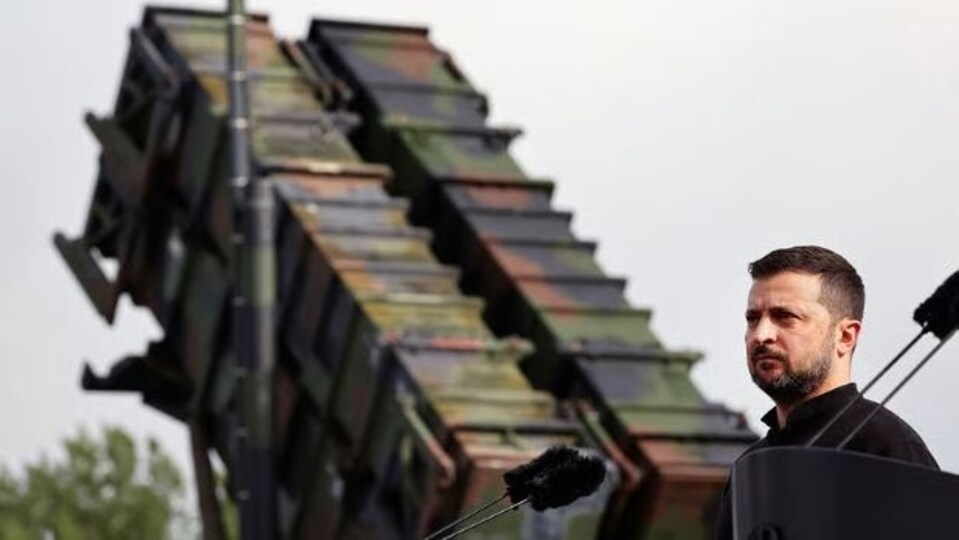
Yet one element of America’s new stance is valuable: the flow of weapons. Instead of giving Americans arms to Ukraine as Joe Biden did, Mr Trump wants European governments to buy and donate them. The logic is grubby. It will be, he says, “good business”. Still, by paying for such weapons, Europe could fill military gaps. Not all European leaders are keen, but they could defray the cost by using frozen Russian state assets. Already Germany has indicated it will buy Patriot missile batteries which can provide air defence for Ukraine.
Since it relies on Mr Trump’s word, this new arrangement is unreliable. Production bottlenecks mean that even if America is willing and Europe is prepared to write cheques, some weapons may run short. But they can buy time, allowing Europe to raise production of everything from shells to satellites and Ukraine to develop new ways to prevent Russia pummelling civilians, perhaps through defensive drones that neutralise aerial attacks. If Ukraine can find a way to protect its cities from the air, Mr Putin will be trapped in an exhausting war of attrition. Over the past two years his ground forces have made only meagre advances, at a huge cost.
Ultimately Europe is rich and capable of containing Russia. Mr Trump’s dream of a quick peace deal has been exposed as a fantasy. Although his word counts for little, Ukraine and Europe must seize on it to create a mechanism that does not require daily presidential decisions to function.
Subscribers to The Economist can sign up to our Opinion newsletter, which brings together the best of our leaders, columns, guest essays and reader correspondence.
Get the latest World News, breaking headlines and global updates from the US, UK, Pakistan, Bangladesh, Russia and other countries. Follow major international events on Hindustan Times.
Home/World News/Trump’s U-turn On Russia Is Utterly Cynical—and Welcome

 E-Paper