
 E-Paper



UN report: Terror groups have more freedom in Afghanistan now
The latest report of the UN Security Council on activities of the Islamic State and al-Qaeda and their affiliates said the Taliban have not done anything to limit the activities of foreign terrorists – an assertion that will strengthen suspicions about setup in Kabul in capitals around the world.

 Prefer HTon Google


Foreign terror groups ranging from al-Qaeda in the Indian Subcontinent (AQIS) to the Islamic Movement of Uzbekistan (IMU) enjoy more freedom in Afghanistan than in recent years, and Osama bin Laden’s son visited the country in October for meetings with the Taliban, states a new UN report.
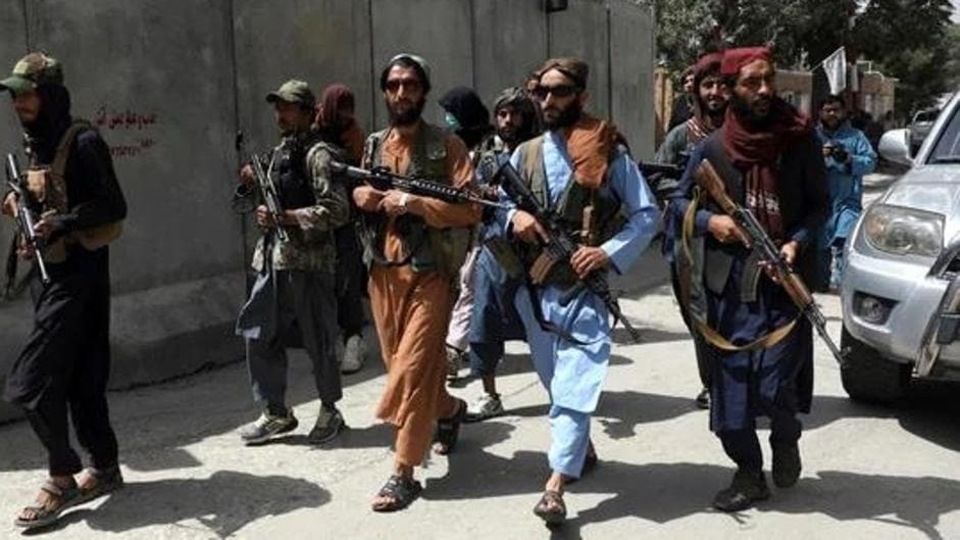
The latest report of the UN Security Council on activities of the Islamic State and al-Qaeda and their affiliates, made public this week, said the Taliban have not done anything to limit the activities of foreign terrorists – an assertion that will strengthen suspicions about setup in Kabul in capitals around the world.
The UN’s analytical support and sanctions monitoring team prepares such reports twice a year as part of efforts to implement sanctions imposed on Islamic State and al-Qaeda. The report said al-Qaeda was maintaining a “strategic silence” after congratulating the Taliban on its victory last year, apparently “not to compromise Taliban efforts to gain international recognition and legitimacy”.
“The security landscape in Afghanistan changed dramatically on 15 August, when the Taliban took control of the country. There are no recent signs that the Taliban has taken steps to limit the activities of foreign terrorist fighters in the country,” the report said.
“On the contrary, terrorist groups enjoy greater freedom there than at any time in recent history,” it said, adding that UN member states have not reported “significant new movements of foreign terrorist fighters to Afghanistan”.
“One Member State reported that Bin Laden’s son, Abdallah (not listed), visited Afghanistan in October for meetings with the Taliban. [Current al-Qaeda chief] Aiman al-Zawahiri was reported alive as recently as January 2021, but Member States continue to believe that he is in poor health,” the report said.
Amin Muhammad ul-Haq Saam Khan, who coordinated security for slain al-Qaeda chief Osama Bin Laden, also returned to his home in Afghanistan in late August.
AQIS, which is led by Osama Mehmood and his deputy Atif Yahya Ghouri, “retains a presence in Afghanistan, in the Provinces of Ghazni, Helmand, Kandahar, Nimruz, Paktika and Zabul, where the group fought alongside the Taliban” against the ousted government of Ashraf Ghani.
AQIS is estimated to have between 200 and 400 fighters, mainly from Afghanistan, Bangladesh, India, Myanmar and Pakistan, the report said.



