
 E-Paper


Bandages causing cancer? Study finds high levels of toxic ‘forever chemicals’ in big brands
Study reveals many popular bandages, contain high levels of toxic “forever chemicals,” that may cause cancer.

 Prefer HTon Google


Many popular bandages, including those from well-known brands like Band-Aid and Curad, contain high levels of toxic “forever chemicals,” also known as PFAS. This shocking revelation has been made by a study by environmental health and consumer watchdogs, Mamavation and Environmental Health News.
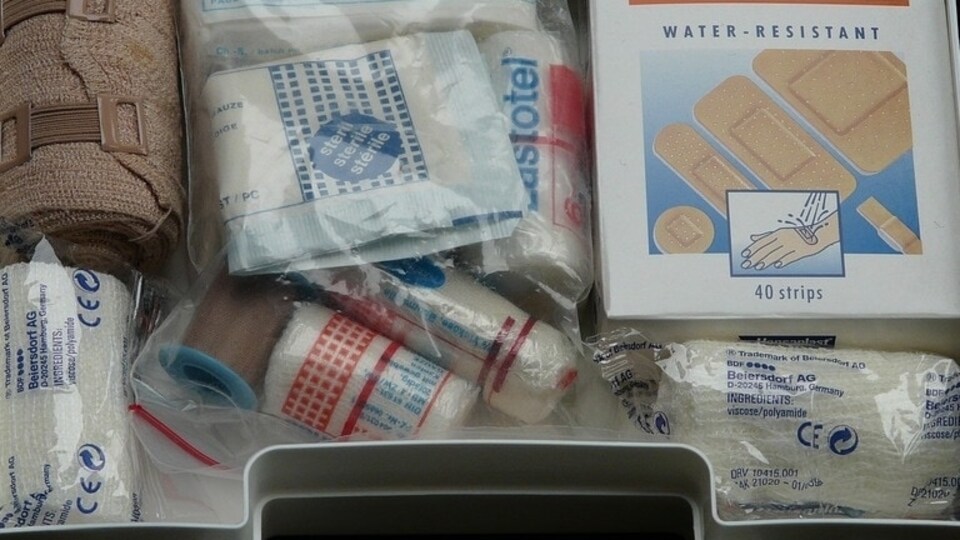
Band-aids causing cancer? Key Findings of the study
The key finding from the study is not just shocking but also a big alarm for millions across the world who use a bandage on a daily basis. These chemicals can enter the bloodstream through open wounds, potentially leading to a variety of health issues.
After testing 40 bandages from 18 different brands the study has concluded that 26 out of those had detectable levels of organic fluorine, an indicator of harmful PFAS chemicals. The levels were above 10 parts per million (ppm).
65% of total bandages tested had indications of PFAS “forever chemicals.”
63% of bandages marketed to People of Color with black & brown skin tones had indications of PFAS “forever chemicals.”
Ranges of organic fluorine, a marker for PFAS, were from 11 ppm to 328 ppm.
“Because bandages are placed upon open wounds, it’s troubling to learn that they may be also exposing children and adults to PFAS. It’s obvious from the data that PFAS are not needed for wound care, so it’s important that the industry remove their presence to protect the public from PFAS and opt instead for PFAS-free materials.” Dr. Linda S. Birnbaum, co-author of the study and former director of the National Institute of Environmental Health Sciences and National Toxicology Program, expressed her concern, stated.
Why Are PFAS Used in Bandages?
According to Mamavation, PFAS chemicals are likely used in bandages for their waterproof qualities. However, these chemicals have been linked to various health concerns related to growth, reproduction, obesity, and different types of cancers. PFAS, or per- and polyfluoroalkyl substances, are synthetic chemicals resistant to heat, oil, stains, grease, and water. They are commonly found in products like adhesives, nonstick cookware, and food packaging.
What Are "Forever Chemicals"?
PFAS chemicals have earned the nickname “forever chemicals” because they are highly resistant to degradation and can remain in the human body for years. They can enter the bloodstream through consumption or direct contact and embed in healthy tissue, potentially damaging organs.
High-Risk Band-aid Brands
While the study looked at a variety of brands, those with bandages containing higher levels of fluorine (above 100 parts per million) included:
- Band-Aid
- CVS Health
- Equate
- Rite Aid
- Amazon’s Solimo
- Target
- Curad
check the full list here: https://www.mamavation.com/health/band-aids-bandages-pfas-forever-chemicals-report.html


