E-Paper


How does a government shutdown end? Process, timeline, and what happens next
A US government shutdown ends only when Congress passes and the President signs appropriation bills; bipartisan agreement is required.

 Prefer HTon Google


The United States government is heading for a shutdown at 12:01 p.m. on Wednesday, with efforts to pass a bill to keep the government funded failing to reach an agreement between the Democrats and Republicans in the Senate. With a last-ditch attempt at a vote on a stopgap funding bill failing with a 55–45 vote count, now a shutdown looks inevitable.
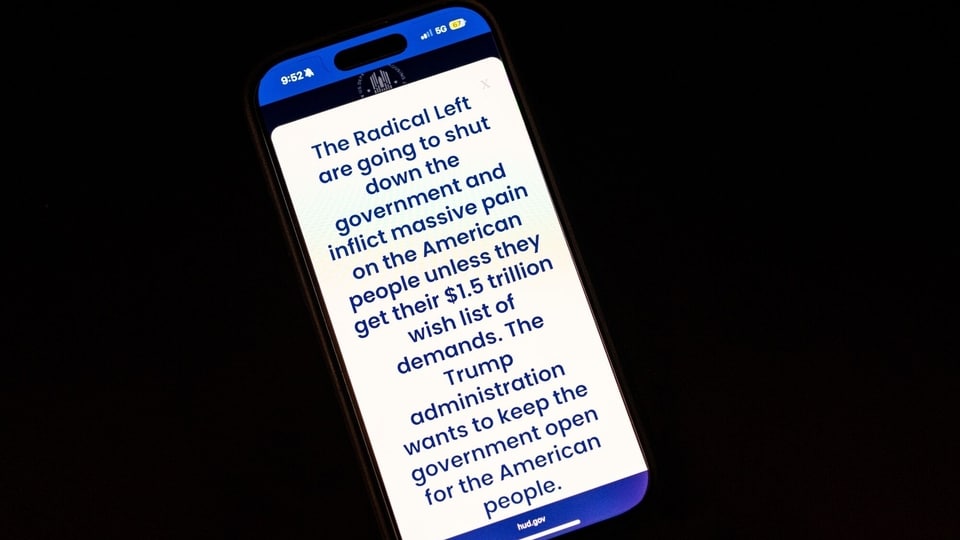
The shutdown comes after a disagreement between the Republicans and the Democrats over the Medicaid cuts in Trump's new funding bill, dubbed the 'Big Beautiful Bill.' Democrats want a reversal of the Medicaid cuts and an extension of the tax credit on health insurance premiums, making them more affordable. But the Republicans have been refusing to relent.
The stalemate takes the US back to seven years ago in Trump's first term as President, when the last government shutdown was implemented. It lasted for 35 days before Trump relented. The POTUS was then asking for money from the Senate to build the US-Mexico border, which the Senate refused to pass.
How Does A Government Shutdown End?
According to an FAQ sheet on the impending shutdown published on the official website of the US House Representative, Ami Bera of California's 6th congressional district, the shutdown will end when the Senate is able to pass an appropriation bill.
Also read: US government headed for shutdown shortly. What triggered move and what it means
It reads: "To end a government shutdown, Congress needs to pass, and the President must sign appropriations bills to fund the departments and agencies that have been shut down. The President does not have the power to end a shutdown unilaterally. The funding bills follow the same legislative process as any other bill, requiring approval from both the House and Senate before the President can sign them into law."
However, that would mean the Republicans and the Democrats in the House will have to agree on the terms, a possibility that looks increasingly uncertain. Notably, when the last shutdown came from December 22, 2018, to January 25, 2019, it lasted for 35 days, the longest in US history.