
 E-Paper


New study warns thousands of US cities could become ‘ghost towns’ by 2100; Read to know why
Thousands of U.S. Cities could turn into towns by 2100, read to know why

 Prefer HTon Google


A new study suggests that the United States could look very different by the year 2100 as nearly 30,000 cities in the nation could turn into ghost towns, witnessing a population decline ranging from 12 to 23 percent. Reductions in birth rates combined with an intensifying urban migration could result in a major population drop in as many as two thirds of cities.
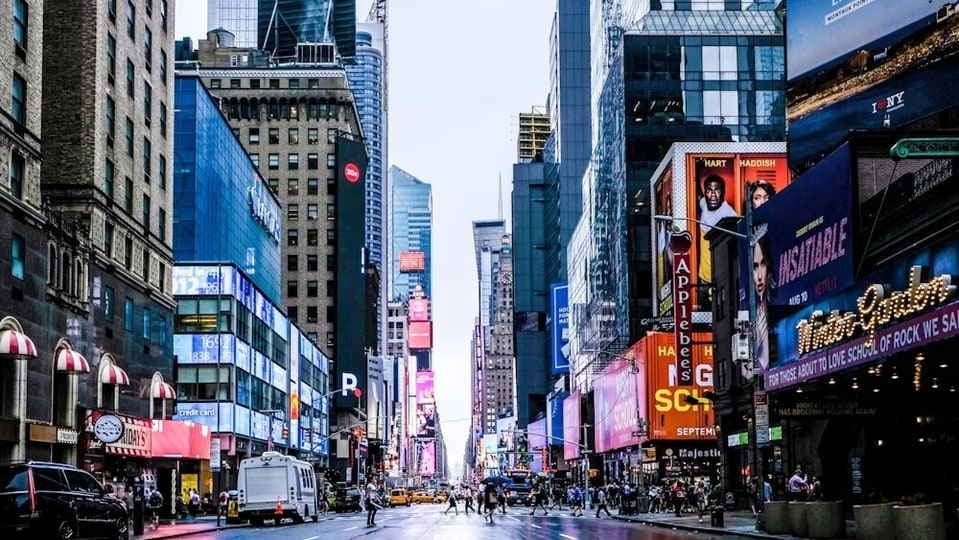
Researchers at the University of Illinois said that all American cities are expected to be impacted, excluding Hawaii and Washington, D.C.
“The way we’re planning now is all based on growth, but close to half the cities in the U.S. are depopulating,” said a senior author Sybil Derrible, an urban engineer at the University of Illinois Chicago, according to nature.com . “The takeaway is that we need to shift away from growth-based planning, which is going to require an enormous cultural shift in the planning and engineering of cities.”
What are the challenges that authorities face?
Researchers stressed these future cities are more likely to resemble fractured, thinning, or sprawling communities than total ghost towns, as populations shift within and between cities. That is, unless local governments and town planners can respond and adapt to the changing needs of their residents.
A massive decline in population is expected to bring unprecedented challenges, including the possibility of disruptions in essential services such as electricity, clean water, internet access, and transit due to low fertility rate and cities shrink, according to the analysts who forecasted what the next 80 will look like on the basis of past 20 years existing trends.
The new study aligns with the US Census data that indicates the United States as a whole will witness population decline by 2080.
Lower median household income more likely to witness depopulation over time
The team considered the average yearly population change for each city from 2000 to 2020 in addition to examining the population changes from 2000 to 2010, 2010 to 2020, and 2000 to 2010.
Cities with an annual population decline of five percent or more were classified as severely depopulating, one to one percent as moderately depopulating, and 0 to one percent as slowly depopulating.
They discovered that cities with lower median household incomes in the Northeast and Midwest were at a high risk of seeing population declines over time.
The research notes that depopulation, or population reduction, has become a demographic reality in many areas of the United States. The US Department of Agriculture (USDA) estimates that 3.2% of the population decline between 2010 and 2017 occurred in nonmetropolitan counties.
The United States' rural areas are seeing a long-term population reduction, which is a sign of an economic change that will ultimately lower community well-being and the likelihood of a sustainable future. Young adults frequently leave the rural commercial centers, changing the demographics and leaving an aging population in depopulating areas.


