
 E-Paper


‘Threatens families with lifetime of exclusion’: Why Trump's birthright citizenship order was sued
The new order is set to take effect in 30 days.

 Prefer HTon Google


Donald Trump's executive order on birthright citizenship has been challenged legally, with immigration support bodies filing a lawsuit within hours of the new US President signing the order, which he did shortly after his inauguration for a second term on Monday.
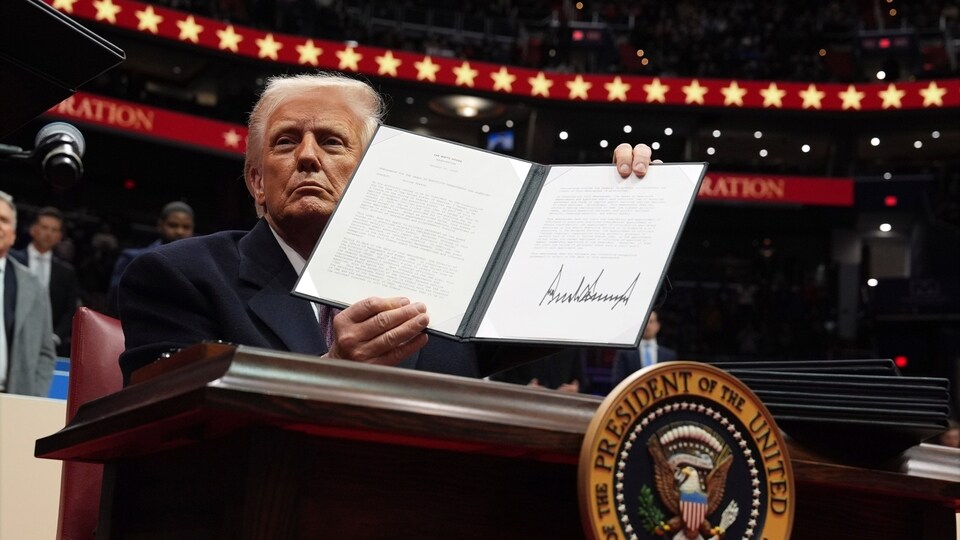
The new order is set to take effect in 30 days.
Who has filed the lawsuit?
The lawsuit, filed in a New Hampshire court, was brought by the American Civil Liberties Union, NAACP Legal Defense and Educational Fund, State Democracy Defenders Fund and Asian Law Caucus on behalf of immigrant support organisations, which say their members would have children ineligible for citizenship under the order.
“The Constitution and Congress – not President Trump – dictate who is entitled to full membership in American society,” the lawsuit mentioned.
"The order would threaten children and their families with a lifetime of exclusion from society and fear of deportation from the only country they have ever known,” the lawsuit stated.
Separately, attorney generals of states ruled by Democrats – Trump is Republican – also released statements saying they too were considering legal action.
What is the birthright citizenship rule?
In the US, birthright citizenship is guaranteed by the Constitution's Fourteenth Amendment, which states: "All persons born or naturalized in the United States, and subject to the jurisdiction thereof, are citizens of the United States and of the state wherein they reside."
In simple terms, Trump's decree necessitates that for automatic American citizenship of a child born on US soil, at least one parent should be a US citizen or permanent resident.
What is Trump's argument?
Donald Trump's executive order notes that the Fourteenth Amendment ‘has always excluded’ from birthright citizenship those who were born in the US, but ‘not subject to the jurisdiction thereof.’
As per the order, automatic citizenship would not extend to a US-born person if at the time of their birth, their mother was unlawfully present in the country and the father was not a citizen/permanent resident; and, the mother's presence was lawful but temporary and father was not a citizen/permanent resident.
(With Bloomberg inputs)


