
 E-Paper


US scientists to research possible respiratory spread of bird flu in cows amid surge in cases
U.S. federal and state agencies are planning research into potential respiratory spread of bird flu among dairy cattle.


U.S. federal and state agencies are planning research into potential respiratory spread of bird flu among dairy cattle, according to a Reuters interview with Michigan state agriculture and public health officials.
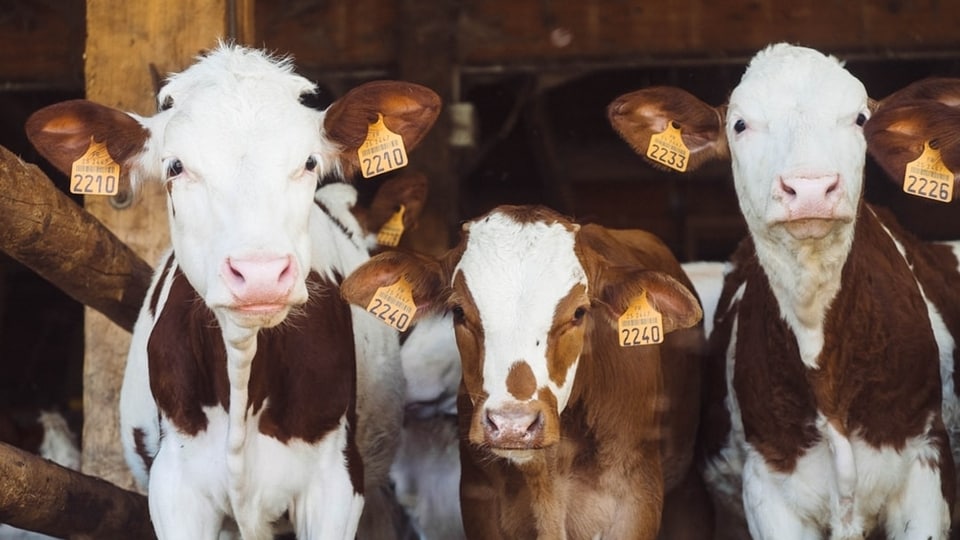
Scientists and government officials hope the research will guide efforts to contain the virus and reduce exposure to humans. Respiratory spread could give the virus more opportunity to evolve, they said.
Scientists have so far suspected the virus spreads among animals and humans through contact with infected milk or aerosolized milk droplets, or from exposure to infected birds or poultry.
The Michigan Department of Agriculture and Rural Development is working with Michigan State University and the U.S. Department of Agriculture (USDA) to plan research on farms to evaluate respiratory spread, Tim Boring, the department's director, said in an interview.
"This is an area of concern that we're building out and looking more into," Boring said. The research is a high priority and will be important to guiding the state's public policy, he said.
The USDA did not respond to a request for comment.
Bird flu has been reported in more than 80 dairy herds across 11 states since late March.
The exact mechanics of the spread of the virus are still unclear, though there is evidence of spread to cows from wild birds and other cows.
The virus has been identified mainly in milk, but also in nasal swabs at lesser levels, said Zelmar Rodriguez, a dairy veterinarian and assistant professor in Michigan State University's College of Veterinary Medicine who has researched affected farms.
"If it's present in the nose when the cow is shedding (virus), it's potentially transmitted through air," he said.
Any change in how the virus is transmitting gives it the opportunity to evolve, said Richard Webby, a St. Jude Children's Research Hospital virologist who studies flu in animals and birds for the World Health Organization.
"We certainly don't want that," Webby said.
But for the virus to be a more significant threat to human health, it would need to undergo further genetic mutations, Webby said.
The third dairy worker to contract avian flu, who lives in Michigan, reported respiratory symptoms, including coughing. Flu experts said the worker was most likely infected through close contact with milk through splashes or aerosolized droplets.
Respiratory symptoms have often been seen in prior human bird flu infections. The first two U.S. workers known to be infected during this outbreak only reported symptoms of conjunctivitis, or pink eye.
The U.S. Centers for Disease Control and Prevention (CDC) said the latest case does not change its assessment that bird flu is a low risk to the general public, and that it has not seen evidence of human-to-human transmission.
The worker with respiratory symptoms was still recovering as of a few days ago, said Natasha Bagdasarian, Michigan's chief medical executive, in an interview.
Michigan aims to begin its study of blood samples looking for evidence of prior bird flu infection among farm workers this month, Bagdasarian said.
Reuters reported on May 30 that the state and CDC would be conducting the study to understand the prevalence of human illness and whether any dairy workers had previously contracted the virus.


